
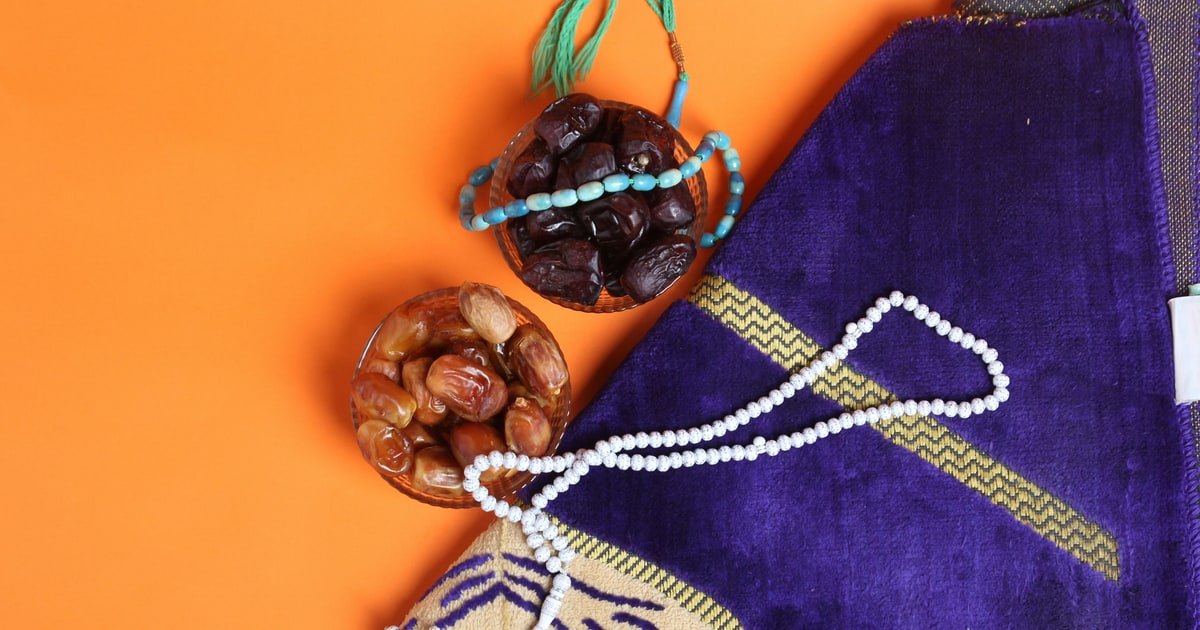
Eid al-Fitr marks the end of Ramadan — a time for family gatherings, feasting, and sharing food. But the table at Eid can be a minefield of unchecked ingredients, particularly in the sweets, chocolates, and bakery items that are central to the celebration. This guide covers the foods most commonly eaten at Eid, the E-codes to watch, and which products are confirmed safe.
Eid Sweets: The Gelatine Problem
Gummy sweets and jelly confectionery are Eid staples — but most mainstream brands are haram due to porcine gelatine (E441).
Haram — avoid:
- Haribo (standard UK range) — porcine gelatine
- Maynards Bassetts Jelly Babies — porcine gelatine
- Standard marshmallows (most supermarket own-brand) — porcine gelatine
- Starmix, Tangfastics, Wine Gums — porcine gelatine
Halal — confirmed safe:
- Bebeto (Turkish brand, widely available) — fully halal certified, uses halal beef gelatine
- Jelly Tots (Rowntree’s, UK) — halal certified, no gelatine
- Polo mints (Nestlé UK) — halal, no animal additives
- Candy Kittens — vegan, gelatine-free
- The Natural Confectionery Company — most products gelatine-free, check label
- Sweets in the City — halal certified, uses halal beef gelatine
The rule: never assume a sweet is halal because it does not say “pork” on the packet. Porcine gelatine is listed simply as “gelatine” on UK labels.
Eid Chocolates: E-codes to Watch
Chocolate is central to Eid gifting and celebration spreads. The main concern is E471 (mono and diglycerides of fatty acids), which may be from animal fat, and E120 (carmine) in flavoured or pink varieties.
E471 in chocolate — most major chocolate bars (Cadbury, KitKat, Milka) contain E471. The safest shortcut: look for a vegan label, which guarantees E471 is plant-derived. Without a vegan or halal label, E471 source is unconfirmed.
E120 in chocolate — rare in plain chocolate, but watch for it in strawberry, raspberry, or fruit-flavoured chocolate assortments. It appears as “carmine,” “cochineal,” “E120,” or “natural red colour.”
Halal-certified chocolate brands:
- Ülker (Turkish brand, widely available in halal shops and online)
- Damak (Turkish halal-certified milk chocolate)
- Moo Free (vegan, halal-compatible, no animal-derived ingredients)
Avoid without checking:
- Standard Celebrations, Heroes, Quality Street assortments — contain E471 and varied E-code profiles
- Lindt Lindor truffles — some contain alcohol in flavouring
- Standard Ferrero Rocher — E442 and E471 from unconfirmed sources in UK market
Eid Bakery: Cakes, Pastries and Biscuits
Home baking for Eid is straightforward — use vegetable oil or butter rather than lard, and avoid any shop-bought cake decoration products containing plain “gelatine” (almost always porcine).
For shop-bought bakery:
E471 (mono and diglycerides) appears in most commercial cakes, pastries, and biscuits. Source is rarely declared. Vegan-labelled bakery products confirm plant-derived E471.
E422 (glycerol) is used as a humectant in many commercial cakes. Source is also typically undeclared. Vegan label covers this too.
Cake decorations:
- Ready-to-roll fondant icing usually contains glycerol — source often undeclared. Renshaw’s vegan fondant is plant-derived.
- Gel food colours — check for E120 in red and pink shades. Supermarket own-brand gel colours typically use E122 or E129 (synthetic) rather than E120 — check the label.
Savoury Eid Foods
Eid gatherings typically include large savoury spreads — and these carry their own checks.
Crisps and snacks:
- E631 and E627 (flavour enhancers in many flavoured crisps) may be pork-derived. Walkers Ready Salted and plain variants are generally safe; flavoured varieties need checking. See our E631 & E627 guide for detail.
- Pringles — Original and Simply Salted are halal; most flavoured variants contain E631 or E627.
Dips and sauces:
- Hummus, tzatziki (check for gelatin thickening), and guacamole are typically safe.
- Some ready-made dips contain E471 — vegan label confirms plant source.
Cheese and dairy:
- For cheese on Eid tables, look for “suitable for vegetarians” labels — this confirms vegetable or microbial rennet rather than animal rennet from non-halal slaughter.
Drinks
Non-alcoholic drinks are straightforward — water, fruit juices, and soft drinks are all halal. Watch for:
- Energy drinks — some contain taurine (halal — synthetic) and some flavourings with uncertified sources. Mainstream energy drinks (Red Bull, Monster) are not halal-certified but are widely consumed by Muslims who follow a moderate position on this.
- Kombucha — contains trace alcohol from fermentation, typically 0.5–3%. Classified as mushbooh or haram by many scholars.
Quick E-Code Reference for Eid Foods
| E-Code | Name | Status | Found in |
|---|---|---|---|
| E441 | Gelatine | Haram (porcine) | Gummy sweets, marshmallows |
| E120 | Carmine | Haram (insect) | Red/pink confectionery, some drinks |
| E471 | Mono and diglycerides | Mushbooh | Chocolate, cakes, crisps |
| E422 | Glycerol | Mushbooh | Cakes, icing, energy drinks |
| E631 / E627 | Flavour enhancers | Mushbooh/Haram | Crisps, snack seasonings |
| E322 | Lecithin (soy/sunflower) | Halal | Chocolate, bakery |
| E440 | Pectin | Halal | Jams, fruit sweets |
Ingredients change. Be first to know.
Brands reformulate without warning. We track every E-code update and halal certification — one short weekly email.
Related Articles
 Shopping Guides
 Is Chupa Chups Halal? Cola Lollipop and All Lines Checked (2026)
Chupa Chups Cola lollipops contain no gelatin or E120 — but carry no halal certification. Gummies and soft chews contain gelatin and are Haram. Full breakdown by product line.
 Shopping Guides
 Are Mentos Halal? Every Variety Checked (Rainbow, Mint, Fruit)
Chewy Mentos rolls contain undisclosed gelatine — Mushbooh in UK/EU. Hard mints are gelatine-free but uncertified. Malaysian JAKIM-certified Mentos is halal.
 Shopping Guides
 Is Terry's Chocolate Orange Halal? Ingredients Checked
Terry's Chocolate Orange is Mushbooh — it contains E476 (PGPR) with undisclosed glycerol source. No halal certification. The Dark version has the same concern.