
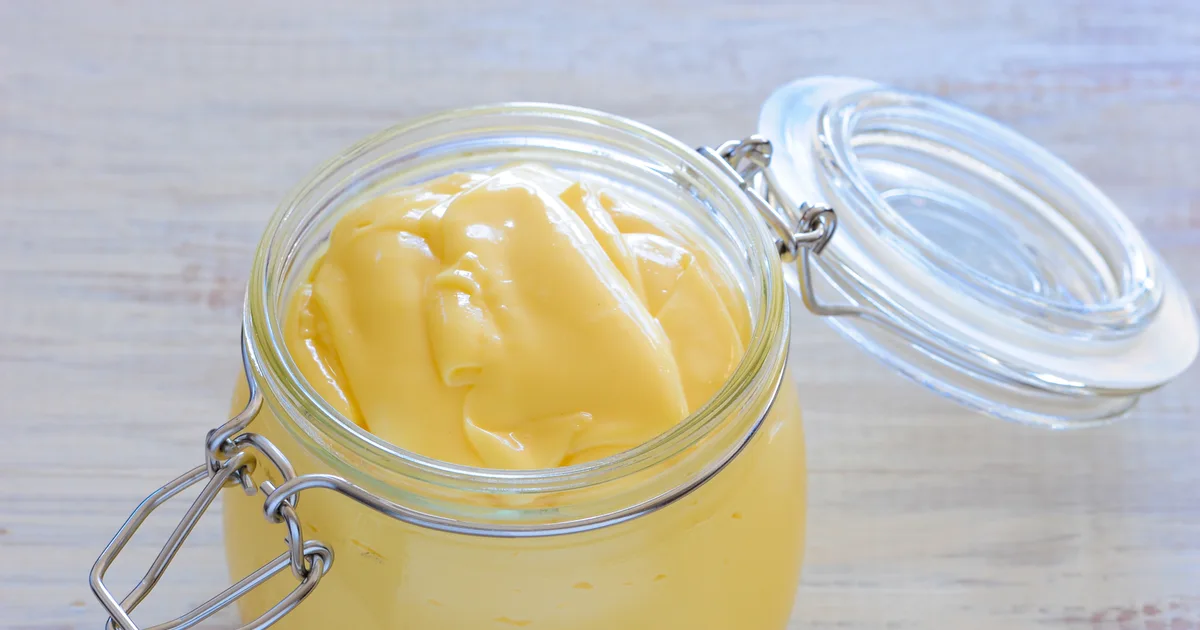
Mayonnaise is one of those condiments that most people assume is halal without checking. After all, it’s just eggs, oil, and a bit of vinegar — right?
For the most part, yes. But there are enough edge cases in branded mayonnaise that it is worth a two-minute label check before buying.
The Core Ingredients — All Halal
Classic mayonnaise contains:
- Eggs — halal (eggs from any bird are permissible)
- Vegetable oil — halal (sunflower, rapeseed, soya)
- Vinegar — usually halal (see nuance below)
- Mustard — halal
- Salt, sugar, lemon juice — halal
Nothing in the base formulation is inherently problematic. Mayonnaise is not a meat product, does not contain gelatine, and does not typically contain E-codes derived from animal sources.
The Vinegar Question
The type of vinegar matters under some scholarly rulings:
| Vinegar type | Ruling |
|---|---|
| Spirit vinegar (from grain, diluted to 5% acidity) | Halal — majority opinion |
| White wine vinegar / red wine vinegar | Mushbooh — derived from wine; some scholars accept it as fully transformed, others do not |
| Apple cider vinegar | Halal |
| Malt vinegar | Halal |
Most commercial mayonnaise — Hellmann’s, Heinz, Kewpie — uses spirit vinegar or white wine vinegar. Spirit vinegar is the majority ruling as halal. White wine vinegar is contested.
Hellmann’s Real Mayonnaise (UK): spirit vinegar ✓
Heinz Seriously Good Mayonnaise (UK): spirit vinegar ✓
Kewpie Japanese Mayo: apple cider vinegar ✓
Natural Flavours — The Hidden Variable
Branded mayonnaise often lists “natural flavourings” or “natural flavours” in the ingredients. This is a catch-all term that can legally include animal-derived substances.
In practice, mayonnaise natural flavours are almost always plant or dairy-derived (vinegar, mustard, spice extracts). But without disclosure, it remains Mushbooh under strict halal guidelines.
If “natural flavours” appears and the product does not carry a halal certification, consider contacting the manufacturer to ask about the source.
Is Hellmann’s Halal?
Hellmann’s Real Mayonnaise (UK) ingredients: Rapeseed oil, water, pasteurised egg yolk (8%), spirit vinegar, sugar, salt, lemon juice concentrate, calcium disodium EDTA, natural flavourings, paprika extract.
- No animal-derived E-codes
- Spirit vinegar — halal
- Natural flavourings — unspecified source
- No halal certification on standard Hellmann’s UK products
Verdict: Mushbooh — the vast majority of scholars would consider it halal given the ingredient profile, but it has not been halal-certified. For strict halal compliance, look for a certified alternative.
Is Heinz Mayonnaise Halal?
Heinz Seriously Good Mayonnaise (UK) ingredients: Rapeseed oil, water, spirit vinegar, pasteurised free range egg yolk (8%), sugar, salt, mustard flour, lemon juice concentrate, natural flavouring.
- Spirit vinegar — halal
- No gelatine, no problematic E-codes
- Natural flavouring — source unspecified
- No halal certification
Verdict: Mushbooh — same position as Hellmann’s.
Is Kewpie Mayonnaise Halal?
Kewpie is a Japanese brand widely available in Asian supermarkets. It uses more egg yolk than Western mayo and has a distinctly richer flavour.
Kewpie standard ingredients: Vegetable oil, egg yolk, vinegar (apple cider and spirit), salt, MSG, mustard.
- MSG (E621) — halal (bacterial fermentation)
- Apple cider vinegar — halal
- No halal certification on standard Japanese Kewpie
Verdict: Mushbooh — ingredient profile is generally halal, but no certification.
Vegan Mayonnaise — Closer to Halal?
Vegan mayonnaise (Hellmann’s Vegan, Heinz Vegan) replaces egg with plant-based alternatives (usually aquafaba or modified starch). This removes the egg — which was halal anyway — but the vegan label does not mean halal certified.
Vegan mayo has no animal ingredients, which simplifies the check, but natural flavours and vinegar type still apply.
How to Check Your Mayo Jar
- Find the vinegar in the ingredients. Spirit vinegar or malt vinegar = halal. Wine vinegar = check your scholarly position.
- Check for “natural flavours” or “natural flavouring” — note whether it’s listed. Contact the manufacturer if this matters to you.
- Look for a halal logo — HMC, HFA, IFANCA, or similar.
- Check for any E-codes — use E-code search to verify quickly.
Halal-Certified Mayonnaise Options
If you want halal-certified mayonnaise:
- Al-Rabih Halal Mayo — available in halal supermarkets
- TaiJ Halal Mayo — available online and in halal shops
- Own-brand halal supermarket mayo — several UK halal retailers produce certified options
Homemade Mayonnaise
If you make your own, the status is straightforward:
- Eggs from any bird: Halal
- Rapeseed or sunflower oil: Halal
- Spirit vinegar or lemon juice: Halal
- Salt, mustard: Halal
Homemade mayo with these ingredients is halal without any qualification — as long as the utensils used are clean (not previously used for haram food without washing).
Summary
| Product | Verdict | Key Notes |
|---|---|---|
| Hellmann’s Real (UK) | Mushbooh | Spirit vinegar, natural flavours unspecified |
| Heinz Seriously Good (UK) | Mushbooh | Spirit vinegar, natural flavours unspecified |
| Kewpie Standard | Mushbooh | Halal ingredient profile, no certification |
| Vegan mayo | Mushbooh | No animal ingredients, but no halal cert |
| Homemade (basic recipe) | Halal | Use spirit vinegar or lemon juice |
| Halal-certified brands | Halal | Look for HMC/HFA logo |
Most commercial mayonnaise has a halal-friendly ingredient profile, but no certification. For strict halal compliance, choose a certified brand or make your own.
How we reached this verdict
We checked the following Tier-1 sources before publishing this verdict:
- Halal certification bodies (HMC, HFA, JAKIM, MUI): Where the ingredient appears in certified products, the certifying body’s audit covers source verification; where it appears in uncertified products, manufacturer disclosure is required.
- Manufacturer statements: Public ingredient lists, vegetarian / vegan suitability labels, customer-service correspondence on source disclosure.
- Sunni fatwa scholarship across the four madhabs:
- Hanafi-leaning bodies: IslamQA Hanafi, Darul Iftaa Birmingham (Mufti Mohammed Haroon Hussain), AskImam.org (Mufti Ebrahim Desai), Daruliftaa.com (Mufti Taqi Usmani), Wifaqul Ulama, Darul Iftaa New York.
- Shafi’i / Maliki-leaning bodies: NU (Nahdlatul Ulama, Indonesia), Dar al-Ifta al-Misriyyah (Egypt), e-fatwa.com (UAE), al-Azhar.
- Hanbali / Saudi-Salafi-leaning bodies: Saudi Permanent Committee for Scholarly Research, IslamQA Saudi.
Madhab note
The four Sunni madhabs broadly converge on the rules applied in this guide:
- Pork-derived sources (pig fat, pig gelatine, pig-derived enzymes) — Haram across all four madhabs.
- Alcohol-based ingredients (intoxicants, residual fermentation alcohol that intoxicates) — Haram across all four madhabs.
- Source-ambiguous E-codes (E471, E476, E631, E627, E635, E920) — require source verification across all four schools; manufacturer plant-source disclosure (vegetarian-suitable label) is treated as sufficient under the Hanafi/Maliki/Shafi’i mainstream rule (Darul Ifta Birmingham, IslamQA case 245452); HMC-strict / Hanbali-leaning view requires formal independent certification.
- Istihāla (transformation) — Hanafi and Maliki accept istihāla strongly, so spirit vinegar (alcohol → vinegar) is halal. Most Shafi’i scholars permit spirit vinegar specifically. Some Hanbali scholars are more cautious on transformed haram products.
- Insect-derived dyes (E120 cochineal/carmine) — Hanafi, Shafi’i, and Hanbali generally treat as haram; some Maliki scholars permit small insects.
- Non-zabihah meat (Ahl al-Kitāb / People-of-the-Book slaughter) — Maliki and classical Shafi’i/Hanbali generally accept; Hanafi-Deobandi tradition more restrictive.
If your madhab differs on a specific ruling, the relevant section above flags the school-specific position. For binding rulings on borderline products, consult a competent scholar in your tradition.
Ingredients change. Be first to know.
Brands reformulate without warning. We track every E-code update and halal certification — one short weekly email.
Related Articles
 Food & Ingredients
 Is Shallot Halal? Raw Shallots vs Crispy Fried Shallot Products (2026)
Raw shallot is a plain vegetable with no halal concern at all. Packaged crispy fried shallots are usually clean too — shallots and palm oil — but check for animal-derived flavour powders on specific brands.
 Food & Ingredients
 Is Trader Joe's Vanilla Bean Paste Halal? The Alcohol Question Explained
Both Trader Joe's Vanilla Bean Paste and the Bourbon version contain ethyl alcohol from the concentrated vanilla extract. Here's why that's Mushbooh rather than a clean Halal, and what changes when it's baked.
 Food & Ingredients
 Is Tteokbokki (Topokki) Halal? Rice Cakes, Fish Cake, and the Gochujang Problem
Tteokbokki's core ingredients — rice cakes, anchovy broth, fish cake — are halal by nature. The real risk is store-bought gochujang, some of which uses alcohol in fermentation or as a preservative.