
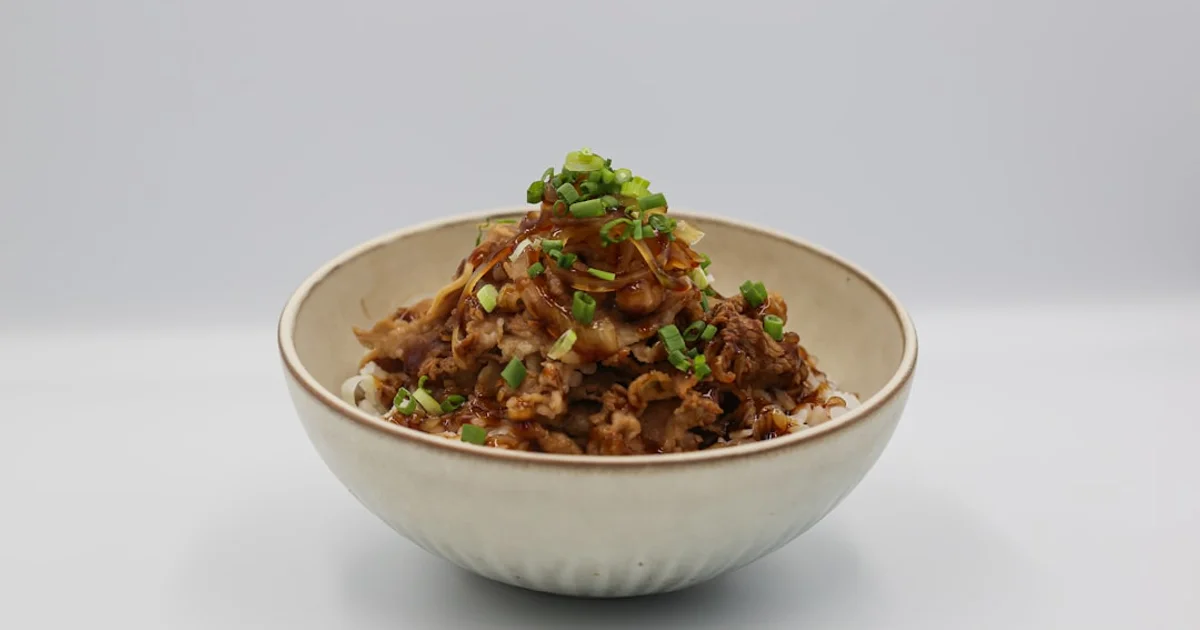
Shallot itself is about as uncomplicated as halal questions get — it’s a vegetable, and vegetables carry no halal concern. The more useful question, and likely what brought you here, is about the packaged crispy fried shallot products sold as a garnish and condiment across Asian cooking, since those go through commercial processing that raw shallots don’t.
Raw Shallot: No Concern at All
Shallot is a member of the onion family, used fresh or cooked in cuisines worldwide. There’s no processing, no additive, and no animal-derived ingredient involved in a plain shallot — it’s halal the same way any vegetable is halal, with nothing further to check.
Crispy Fried Shallots: What to Check
Packaged crispy fried shallots — the golden, crunchy garnish common on Southeast Asian noodle dishes, congee, and rice — are typically made from just two or three ingredients: shallots, palm oil (for frying), and sometimes a small amount of starch or flour for coating and crispness. That’s a clean list with nothing to flag.
The exception worth checking for is any product that goes beyond the plain recipe and adds a seasoning blend — some brands market “flavoured” crispy shallots with added powders (chicken flavour, meat flavour, or generic “seasoning”) that don’t disclose their source. That’s the same undisclosed-flavouring pattern documented across other products on this site, and it’s worth a specific label check rather than assuming every crispy shallot product follows the plain recipe.
Summary
| Question | Answer |
|---|---|
| Is raw shallot halal? | Yes — a plain vegetable, no concern |
| Are crispy fried shallots halal? | Usually — shallots and palm oil is a clean recipe |
| What to check on packaged products | Any added “flavour” or seasoning powder with an undisclosed source |
Look up any E-code from a packaged product in the E-codes database.
To scan a full ingredient list for halal status in seconds, use the ingredient scanner.
How we reached this verdict
We checked the following Tier-1 sources before publishing this verdict:
- Manufacturer/product ingredient lists: standard commercial crispy fried shallot products confirmed to list only shallots, palm oil, and occasionally starch, with no animal-derived ingredients in the plain recipe.
- Sunni fatwa scholarship across the four madhabs: plain vegetables carry no halal concern under any madhab; undisclosed flavouring powders in seasoned variants are treated as Mushbooh pending clarification, consistent with the standard applied throughout this site.
Madhab note
The four Sunni madhabs converge without exception on raw shallot and plain crispy fried shallot — both are halal with no scholarly disagreement. Only seasoned variants with undisclosed flavour powders introduce any question, and that question follows the same undisclosed-ingredient standard applied consistently across this site.
Ingredients change. Be first to know.
Brands reformulate without warning. We track every E-code update and halal certification — one short weekly email.
Related Articles
 Food & Ingredients
 Is Mayonnaise Halal? Hellmann's, Heinz, and Homemade Mayo Explained
Is mayonnaise halal? Plain mayo uses eggs, oil, and vinegar — all halal. The concern is the vinegar type and 'natural flavours' in branded products. Here's how to check your jar.
 Food & Ingredients
 Is Tteokbokki (Topokki) Halal? Rice Cakes, Fish Cake, and the Gochujang Problem
Tteokbokki's core ingredients — rice cakes, anchovy broth, fish cake — are halal by nature. The real risk is store-bought gochujang, some of which uses alcohol in fermentation or as a preservative.
 Food & Ingredients
 Is Trader Joe's Vanilla Bean Paste Halal? The Alcohol Question Explained
Both Trader Joe's Vanilla Bean Paste and the Bourbon version contain ethyl alcohol from the concentrated vanilla extract. Here's why that's Mushbooh rather than a clean Halal, and what changes when it's baked.