
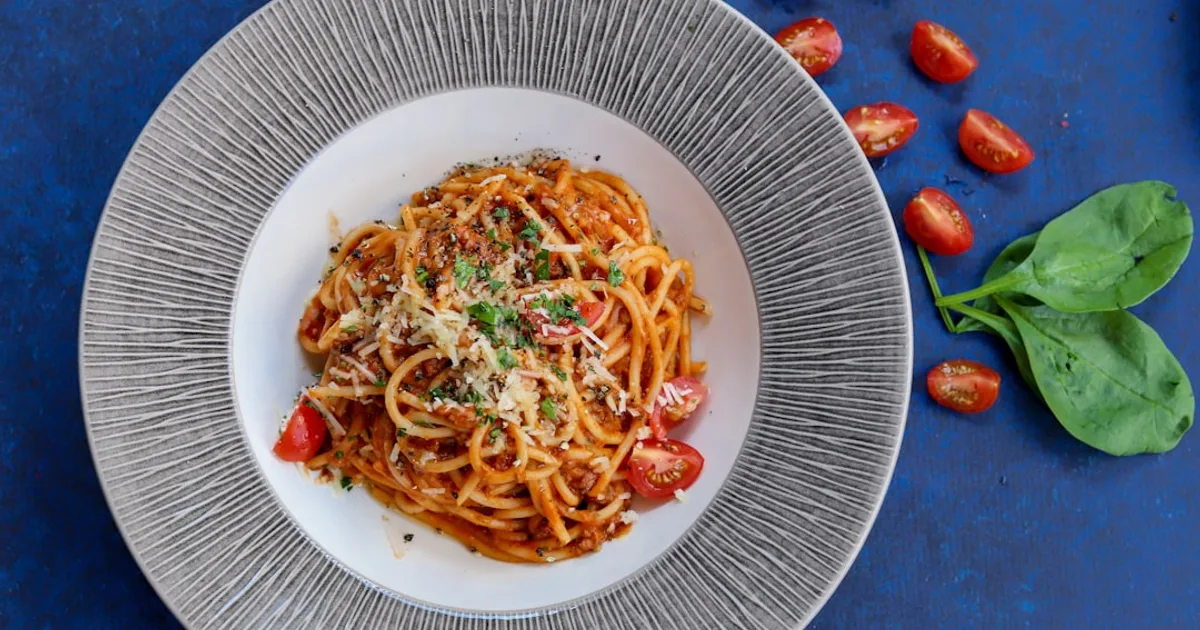
Check the label for “red wine” before anything else. That single ingredient separates the halal-suitable bolognese jars from the haram ones — and it appears in more products than you might expect.
Plain tomato pasta sauces are among the safest processed foods on a UK supermarket shelf. Tomatoes, olive oil, garlic, onion, herbs: all halal. The complication comes in three places — wine used in bolognese and Italian-style sauces, animal rennet in PDO-certified cheeses used in pesto, and undeclared anchovy in some puttanesca-style products. This guide works through each issue systematically and gives you a direct verdict on the major UK brands.
Plain Tomato Sauces: Why These Are Almost Always Fine
A basic tomato pasta sauce — passata, marinara, arrabbiata, napoletana — contains ingredients that present no halal concern: tomatoes, olive oil, garlic, onion, basil, oregano, salt. These are all plant-derived, and any E-codes used in commercial versions (E330 citric acid, E300 ascorbic acid, E160a beta-carotene for colour) are synthetic or plant-sourced.
The E-codes you are most unlikely to see in tomato sauce — but should check if you do — are E120 (cochineal, insect-derived), E441 (gelatine), or E471 (mono- and diglycerides of fatty acids, which can be animal-derived). These are not standard tomato sauce ingredients but occasionally appear in reformulated products. If you spot any of them, use the E-codes database to check the specific source.
Arrabbiata, napoletana, and simple herb sauces from Napolina, Barilla, and supermarket own-brands are consistently clean. The concern begins when a recipe adds cheese, wine, meat, or anchovy.
The Wine Problem: Bolognese and Puttanesca
Red Wine in Bolognese
Traditional Italian bolognese is made with red wine. A significant number of jarred bolognese sauces sold in UK supermarkets list “red wine” as an ingredient — this makes them haram under mainstream halal criteria. Khamr (grape-based alcohol, including wine) is prohibited regardless of quantity or whether it has been cooked off.
Read the ingredient list carefully. Look for: “red wine”, “white wine”, “wine”, “Chianti”, “Marsala”. All of these are haram.
Wine Vinegar: A Different Ruling
Several products — including Dolmio Original Bolognese — use “wine vinegar” or “spirit vinegar” rather than wine itself. This is a substantively different ingredient. Under the mainstream Hanafi, Maliki, and Shafi’i positions, vinegar produced from wine undergoes istihala — a complete chemical transformation — and the resulting acetic acid is halal. The Hanbali school takes a stricter view and considers wine vinegar impermissible.
Most UK-based halal scholars and bodies (including those in the Hanafi tradition that is dominant in UK Muslim communities) consider wine vinegar permissible. If you follow a stricter position, avoid products containing wine vinegar and look for sauces made with spirit vinegar or citric acid instead.
Summary rule: “wine” in the ingredients = haram. “wine vinegar” = permissible under Hanafi/Maliki/Shafi’i mainstream position.
Anchovy in Puttanesca
Puttanesca traditionally contains anchovies. Anchovy is a fish — and fish is halal under all four Sunni madhabs without slaughter requirements. However, some Muslims avoid anchovy for personal or dietary reasons. Check labels if this applies to you. The ingredient will be listed as “anchovy” or “anchoves” and must be declared as an allergen (fish) under UK food law.
Pesto: The Rennet Question
This is the most common issue with pesto, and it is often overlooked.
Parmesan and Grana Padano: PDO Means Animal Rennet
Authentic Italian pesto uses Parmigiano-Reggiano (Parmesan). By EU and UK law, Parmigiano-Reggiano is a Protected Designation of Origin (PDO) product — meaning it must be produced to a specific traditional method. That method requires calf rennet (animal rennet). Microbial or vegetarian rennet is not permitted in PDO Parmesan.
Grana Padano is another PDO cheese used in commercial pesto (including Sacla Classic Basil Pesto). The same rule applies — PDO status locks in animal rennet.
Animal rennet from a non-halal-slaughtered animal makes the cheese mushbooh (doubtful). Some scholars consider all non-halal-certified animal rennet to be impermissible; others apply the principle of istihala (the rennet transforms into cheese, which may be considered a different substance). This is a genuine scholarly disagreement, and Muslims should follow the position of their local scholar or certifying body.
The practical implication: most Sacla, Napolina, and Barilla pesto products sold in the UK contain PDO Grana Padano or Parmesan and are therefore mushbooh for Muslims who avoid non-certified animal rennet.
Vegetarian Pesto: The Safer Option
Several brands produce “vegetarian” pesto variants. “Suitable for vegetarians” on a UK food label is legally meaningful — it indicates no animal rennet has been used, as animal rennet (derived from a slaughtered animal’s stomach) is not permitted in vegetarian products. Look specifically for this label.
Sacla produces a “Free From” range and some supermarkets carry vegetarian pesto labelled accordingly. Tesco and Asda own-brand pesto lines often include a vegetarian variant using Grana Padano alternative or hard cheese made with microbial rennet.
When buying pesto, check for two things:
- “Suitable for vegetarians” — confirms microbial rennet
- No wine or wine-based ingredients
Cream-Based Sauces
Whipping cream and double cream are halal — they are dairy products with no animal slaughter concern. Commercial cream pasta sauces (carbonara, alfredo-style) use these ingredients alongside cheese.
The cheese concern applies here too: carbonara sauces that list Parmesan or Pecorino Romano (another PDO product requiring animal rennet) carry the same mushbooh status as pesto. Check whether the sauce carries a “suitable for vegetarians” label.
E-codes to watch in cream sauces:
- E471 (mono- and diglycerides of fatty acids) — can be animal-derived; common in stabilised cream sauces
- E407 (carrageenan) — seaweed-derived, halal
- E410 (locust bean gum) — plant-derived, halal
- E412 (guar gum) — plant-derived, halal
If you see E471 and the product has no halal certification, treat it as mushbooh until you can confirm the source. Use the E-codes database to check.
Ready Meal Pasta: Additional Concerns
Ready meal pasta dishes — lasagne, pasta bake, spaghetti bolognese — introduce additional halal concerns beyond the sauce itself.
Meat Source
Any meat in a ready meal pasta must come from halal-certified slaughter. UK mainstream ready meals from Tesco, Asda, Sainsbury’s, M&S, and Waitrose use non-halal meat unless specifically marketed as halal. Check the halal food section of these supermarkets for dedicated halal ready meals.
Gelatin in Glazes and Coatings
Some pasta ready meals use gelatin (E441) in glazes on meat portions or as a binding agent. Gelatin from pork is haram; gelatin from non-halal-slaughtered animals is haram. If gelatin appears in a pasta ready meal without halal certification, treat it as haram.
Brand Audit Table
| Brand / Product | Key Concern | Status |
|---|---|---|
| Dolmio Original Bolognese | Wine vinegar (not wine) | Halal-suitable (Hanafi/Maliki/Shafi’i position) |
| Dolmio Creamy Tomato | Cream, check E471 | Mushbooh (check label) |
| Dolmio Tomato & Basil | Tomato, herbs, citric acid | Halal |
| Lloyd Grossman Bolognese | Contains “red wine” | Haram |
| Lloyd Grossman Tomato & Basil | Tomato, herbs, no wine | Halal |
| Lloyd Grossman Korma | Cream, spices, no alcohol | Halal-suitable |
| Sacla Classic Basil Pesto | Grana Padano PDO (animal rennet) | Mushbooh |
| Sacla Vegetarian Pesto | Microbial rennet cheese | Halal-suitable |
| Sacla Tomato & Basil | Tomatoes, herbs | Halal |
| Napolina Passata | Tomatoes only | Halal |
| Napolina Arrabbiata | Tomatoes, chilli, garlic | Halal |
| Napolina Bolognese | Contains “red wine” | Haram |
| Barilla Marinara | Tomatoes, herbs | Halal |
| Barilla Pesto alla Genovese | Grana Padano PDO | Mushbooh |
| Aldi own-brand tomato pasta sauce | Tomatoes, herbs | Halal |
| Aldi own-brand bolognese | Contains “red wine” | Haram |
| Lidl own-brand tomato pasta sauce | Tomatoes, herbs | Halal |
| Tesco own-brand arrabbiata | Tomatoes, chilli | Halal |
| Tesco own-brand bolognese | Contains “red wine” (check label) | Haram |
| Asda own-brand pesto | Check “suitable for vegetarians” on pack | Mushbooh (unless labelled vegetarian) |
| Sainsbury’s own-brand pesto | Check “suitable for vegetarians” on pack | Mushbooh (unless labelled vegetarian) |
Note: formulations change. Always read the current label — do not rely solely on this table. Brand recipes are updated without announcement, and a product that was halal-suitable last year may have been reformulated.
Homemade Halal Pasta Sauce: Simple Substitutions
Making pasta sauce from scratch gives you full control. Key substitutions for traditional Italian recipes:
Instead of red wine in bolognese: Use beef stock with a tablespoon of pomegranate juice or grape juice (unfermented). This adds depth and acidity without alcohol. Alternatively, a splash of balsamic vinegar (halal) adds similar complexity.
Instead of Parmesan in pesto: Use a hard cheese labelled “suitable for vegetarians” — many UK supermarkets stock these. Alternatively, use nutritional yeast for a dairy-free option that gives a similar umami flavour.
Instead of Pecorino Romano in carbonara: Use a vegetarian hard cheese from a certified halal brand, or any hard cheese labelled “suitable for vegetarians”.
For extra depth without wine: Add a tablespoon of tomato paste, a small amount of dark soy sauce (mushbooh — check label), or Worcestershire sauce (check for anchovy and spirit vinegar composition).
How we reached this verdict
Our analysis is based on:
- Label review of products currently on UK supermarket shelves (June 2026), cross-referenced with brand ingredient lists published on Tesco, Sainsbury’s, Asda, Ocado, and individual brand websites.
- PDO regulations — EU/UK Protected Designation of Origin rules for Parmigiano-Reggiano and Grana Padano, which legally mandate the use of animal rennet.
- Fiqh sources on wine vinegar — specifically the positions documented in classical Hanafi fiqh (istihala transforms wine into vinegar, which is permissible), and the dissenting Hanbali position.
- UK food labelling law — “suitable for vegetarians” is a legally protected claim under UK food standards regulations and reliably indicates microbial rennet.
- No formal certification: None of the products in this guide carry HMC (Halal Monitoring Committee) or HFA (Halal Food Authority) certification. The verdicts given are based on ingredient analysis, not certification body approval.
Madhab note
The key scholarly disagreement in this guide concerns two issues:
Wine vinegar: Hanafi, Maliki, and Shafi’i schools consider wine vinegar permissible due to istihala (chemical transformation renders the substance fundamentally different from wine). The Hanbali school considers wine vinegar impermissible because of its origin. If you follow a Hanbali position or a scholar who takes this view, avoid any product listing “wine vinegar” and choose products using spirit vinegar or citric acid instead.
Animal rennet in cheese: There is ongoing scholarly debate about whether non-halal-certified animal rennet in cheese is permissible via istihala. Some contemporary scholars (including many associated with UK-based halal bodies) hold that animal rennet undergoes sufficient transformation in the cheesemaking process to be considered halal. Others require the rennet itself to come from a halal-slaughtered animal. Given this disagreement, we categorise products containing PDO Parmesan or Grana Padano as mushbooh — doubtful — rather than haram, and recommend Muslims follow the ruling of their local scholar.
If you follow the stricter position on both issues, the clear safe choices are: plain tomato sauces without wine or wine vinegar, and pesto labelled “suitable for vegetarians” made without PDO cheeses.
Summary: Quick Reference
| Question | Answer |
|---|---|
| Are plain tomato pasta sauces halal? | Yes — tomatoes, herbs, olive oil, garlic, citric acid are all halal |
| Does bolognese contain wine? | Many do — check label for “red wine”. Dolmio uses wine vinegar (not wine) |
| Is wine vinegar in pasta sauce halal? | Yes under Hanafi/Maliki/Shafi’i mainstream ruling (istihala). No under Hanbali |
| Is Dolmio bolognese halal? | Halal-suitable under mainstream Hanafi ruling (uses wine vinegar, no haram additives). Not HMC/HFA certified |
| Is Lloyd Grossman bolognese halal? | No — contains red wine |
| Is Sacla pesto halal? | Classic pesto is mushbooh (Grana Padano PDO = animal rennet). Vegetarian pesto is halal-suitable |
| Is Napolina passata halal? | Yes |
| Is cream pasta sauce halal? | Cream itself is halal; check for PDO cheese and E471 in the sauce |
| Are ready meal pasta dishes halal? | Rarely — meat source is typically non-halal. Buy from dedicated halal sections |
Use the E-codes database to look up any E-code you find on a pasta sauce label.
Scan a full ingredient list with the ingredient scanner to check an entire product at once.
Ingredients change. Be first to know.
Brands reformulate without warning. We track every E-code update and halal certification — one short weekly email.
Related Articles
 Shopping Guides
 Halal Shopping at Coles: Aisle-by-Aisle Australia Guide (2026)
Coles stocks halal-certified meat from accredited abattoirs but own-brand packaged goods require E-code checking — here's what to look for in each aisle.
 Shopping Guides
 Halal Shopping at Carrefour: France, UAE & Turkey Guide (2026)
Carrefour's halal status varies by country — UAE stores stock certified halal products throughout, while French stores require label-by-label checking.
 Shopping Guides
 Halal Food in Malaysia: Beyond JAKIM — Full Supermarket & Brand Guide
JAKIM certification is Malaysia's gold standard but not every product on shelf is JAKIM-certified — here's how to shop confidently in Mydin, Giant, and Aeon.