
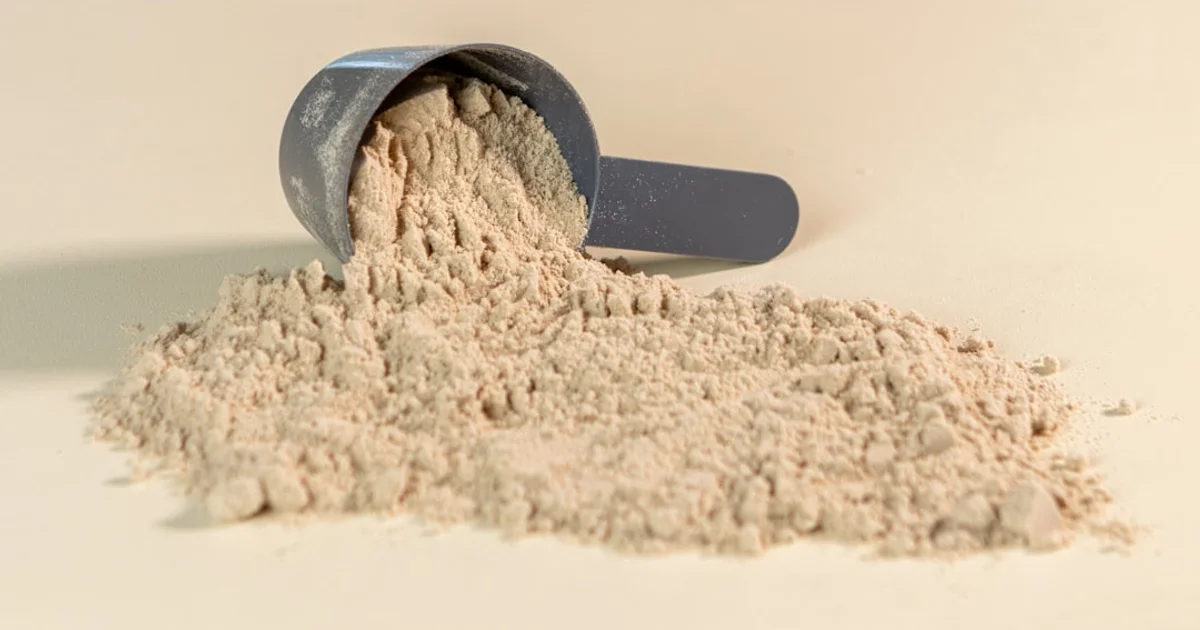
Belgium’s best-known supplement brand is made in Dison, in Wallonia, and its product pages say “halal certified.” Its own certifications page — the one listing HACCP, GMP, ISO 22000, BRC and IFS — doesn’t mention halal at all, and no certifying body is named anywhere. That gap between claim and certificate is the Belgian protein aisle in miniature: the halal options are real, but you have to know which claims are backed by a named certifier and which are just words on a page.
The good news: certified halal protein is genuinely easy to buy in Belgium in 2026 — easier than in most of Europe — because the retailers Belgians already use (Body&Fit, bol.com, Kruidvat, direct brand shops) carry at least four ranges with named certification.
The Certified Options
| Brand | Certifier | Where to buy in Belgium | Caveat |
|---|---|---|---|
| MyProtein (listed flavours) | HFA (UK); AVS for French-made lines | myprotein.be | Per-flavour — only the flavours listed on their halal page; see our MyProtein verdict |
| Bulk | The Halal Trust (UK) | bulk.com, ships to BE | Per-product; certification “changes with suppliers” per Bulk — check the current product page |
| ESN (listed varieties) | Certificate downloadable via their help centre | bol.com, Amazon | Per-variety, not brand-wide |
| Applied Nutrition | Halal-accredited production; logo printed on covered packs | Body&Fit, bol.com | Confirm the halal mark on your specific pack |
The pattern to internalise: nobody certifies a whole brand. Every one of these certifications is per-product or per-flavour. The chocolate version of a whey can be certified while the cookies-and-cream is not.
The Rest of the Shelf
- QNT (Belgian) — clean ingredient lists (whey isolate, sunflower lecithin, no gelatine), and “halal certified” stated on products like Metapure Whey Isolate Zero. But no certifier is named and no certificate is published. Manufacturer-claimed, not verified: Mushbooh until QNT shows the paper. Sold at Decathlon, Di, Medi-Market.
- Body&Fit own brand — no certification, no halal statement anywhere in their help centre, rennet source undisclosed. Mushbooh.
- Optimum Nutrition — not certified; ON’s own support pages confirm most flavours use alcohol in the flavourings and that gelatine elsewhere in its range comes from both bovine and porcine sources. Mushbooh — full analysis on our Optimum Nutrition brand page.
- XXL Nutrition, Decathlon Corength, Prozis — no halal information published at all. Mushbooh; the Prozis bars additionally carry E471-type emulsifier concerns.
What Decides a Whey Verdict
Whey is a by-product of cheese-making, and its halal status rides on the rennet used at the cheese plant: microbial rennet means halal by consensus; animal rennet from non-halal slaughter is permissible under the Hanafi position and disputed by others. None of the uncertified brands above disclose which their suppliers use — that’s the entire reason certification matters. The full scholarly picture is in our whey explainer and rennet guide.
Beyond the powder itself, three things to check on any Belgian supplement label:
- Capsules and softgels — omega-3 and vitamin D almost always come in gelatine shells; look for HPMC or pullulan “veggie caps” instead. Our capsule problem guide covers it.
- Creatine — the safe pick. Synthetic, no animal inputs, and products stating “Creapure” use a raw material that is itself halal-certified. Details in our creatine verdict.
- BCAAs — fermented from corn (halal) or hydrolysed from keratin (problematic); labels don’t say. Uncertified amino products stay Mushbooh.
How we reached this verdict
We checked the following Tier-1 sources before publishing (all checked July 2026):
- MyProtein — official halal-certification page listing the certified flavours, with the per-flavour caveat stated by the brand itself. Note MyProtein does not name the certifying body on that page (checked July 2026).
- Bulk — help-centre certification article naming The Halal Trust as auditor, with downloadable certificate.
- ESN — official halal product overview page (“officially halal certified”, per-variety, certificate in their help centre).
- QNT — product pages claiming “halal certified” versus its own quality-certifications page (HACCP, GMP, ISO 22000, BRC, IFS — no halal); no certifier named anywhere on the site.
- Body&Fit — help-centre search for “halal” returns no results; no claims on own-brand product pages.
- Optimum Nutrition — official support article: Gold Standard Whey not halal-certified; alcohol used in most flavourings; bovine and porcine gelatine in other range products.
- Sunni fatwa on the whey/rennet question — SeekersGuidance and Darul Iftaa sources on the Hanafi rennet position; IslamQA answer 115306 for the majority view on unknown rennet.
Community verdict apps flag several of these brands without stating reasons. We do not treat them as authoritative.
Madhab note
The uncertified-whey verdict is school-divergent: Imam Abu Hanifa’s position (and the majority view) treats rennet from non-halal-slaughtered animals — pork excluded — as pure, which would make Body&Fit or XXL whey permissible as-is. The sahibayn within the Hanafi school and stricter contemporary bodies require a verified source. We publish Mushbooh for uncertified whey: those following the leeway may use it; certified-only buyers have four named-certifier options above.
Summary
| Question | Answer |
|---|---|
| Easiest certified buys in Belgium | MyProtein’s listed certified flavours, Bulk, ESN varieties, Applied Nutrition packs with the halal mark |
| QNT (the Belgian brand) | Claims halal on product pages; no certifier named — Mushbooh until the certificate is published |
| Body&Fit, XXL, Corength, ON, Prozis | Mushbooh — no certification, rennet undisclosed |
| Always halal | Synthetic creatine (Creapure is itself halal-certified) |
| Watch on every label | Gelatine capsule shells, BCAA sourcing, alcohol in flavourings |
Also shopping the Belgian aisles? See our guides to halal ice cream and dairy in Belgium and halal chocolate in Belgium. Check any additive in the E-codes database or scan a label with the ingredient checker.
Ingredients change. Be first to know.
Brands reformulate without warning. We track every E-code update and halal certification — one short weekly email.
Related Articles
 Shopping Guides
 Halal Shopping at Coles: Aisle-by-Aisle Australia Guide (2026)
Coles stocks halal-certified meat from accredited abattoirs but own-brand packaged goods require E-code checking — here's what to look for in each aisle.
 Shopping Guides
 Halal Shopping at Carrefour: France, UAE & Turkey Guide (2026)
Carrefour's halal status varies by country — UAE stores stock certified halal products throughout, while French stores require label-by-label checking.
 Shopping Guides
 Halal Food in Malaysia: Beyond JAKIM — Full Supermarket & Brand Guide
JAKIM certification is Malaysia's gold standard but not every product on shelf is JAKIM-certified — here's how to shop confidently in Mydin, Giant, and Aeon.