
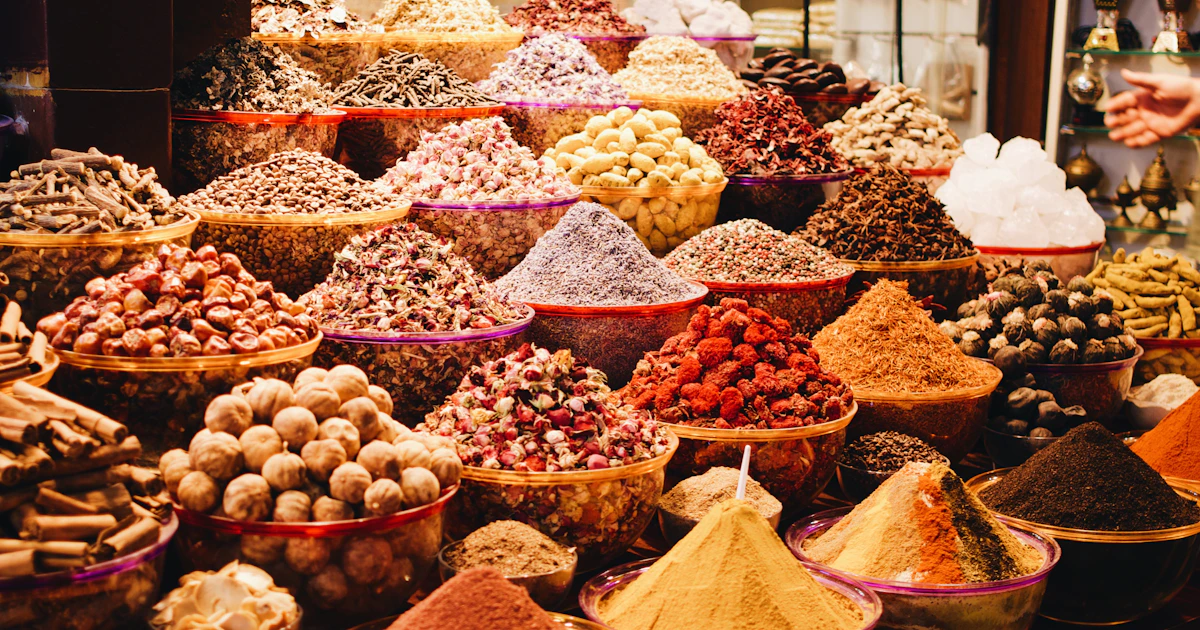
Saudi Arabia is Islam’s spiritual heartland and operates one of the world’s strictest halal food frameworks. The fundamental rule is clear: non-halal food cannot be commercially sold. All meat, all restaurant food, all packaged goods on Saudi shelves must comply with Saudi halal standards.
Yet the Kingdom hosts over 13 million expatriates — Indian, Filipino, Pakistani, Egyptian, Western — who regularly reach for familiar brands from home. And that’s where label-reading becomes relevant even in Saudi Arabia.
The Regulatory Framework
SFDA (Saudi Food and Drug Authority): The primary food safety regulator. SFDA registers imported food products and enforces ingredient compliance. SFDA-registered products have passed import review.
SASO (Saudi Standards, Metrology and Quality Organization): Sets the national halal standards framework (Saudi Standard SASO 2055-1). SASO works in coordination with SFDA on halal food certification requirements.
What this means: Meat and fresh food — maximum confidence. Imported packaged goods — generally reviewed at import, but individual additive sources may not be traced beyond declaration.
Major Supermarkets in Saudi Arabia
| Supermarket | Coverage | Notes |
|---|---|---|
| Panda (Savola Group) | Nationwide | Domestic giant, strong halal compliance |
| Carrefour Saudi | Major cities | International range — check imports |
| Tamimi Markets | Riyadh, major cities | Premium, international range |
| Lulu Hypermarket | Major cities | Large international foods section |
| Danube | Major cities | Well-stocked international aisle |
Lulu and Tamimi stock significant volumes of imported European and Asian products — this is where label checking is most relevant.
Expat Shopping Guide: Comfort Foods to Check
Many expats in Saudi Arabia seek out familiar brands from their home countries. Here’s the practical guide:
Indian Expats
- Maggi (Saudi variant): Halal-compliant for Saudi market. Check for E635 in specific flavours.
- Parle-G biscuits: Generally halal — no E-code concerns. Saudi import version confirmed clean.
- Dairy products imported from India: Amul products available in international aisles — Indian FSSAI standards, no pork inputs.
Filipino Expats
- Lucky Me noodles (Philippine): Check seasoning for E631 — some variants contain this Mushbooh additive.
- Silver Swan soy sauce: No alcohol, standard ingredients.
- C2 iced tea: Check imported variant — original Philippine formula, generally clean.
Western Expats
- Imported European chocolate: Cadbury, Milka, Lindt — check E476 in chocolate, E471 in biscuits.
- Imported US cereals: Kellogg’s, General Mills — check E471.
- Energy drinks: Red Bull (Saudi version formulated without taurine concerns) — check ingredients on specific Saudi-market can.
E-Code Alert: Even in Saudi Arabia
Saudi SFDA enforces halal compliance, but the verification of multi-stage ingredient sources (where does the glycerol in E476 come from?) is not always traced to origin. These remain Mushbooh even in Saudi Arabia:
| E-Code | Found In | Saudi Status |
|---|---|---|
| E471 | Imported biscuits, margarine | Mushbooh — source unverified |
| E476 | Imported chocolate | Mushbooh — glycerol source |
| E635 | Imported noodles, savoury snacks | Mushbooh — may be pork-derived |
| E120 | Imported confectionery | Verify — SFDA may flag on import |
Alcohol in Ingredients: The Saudi Context
Alcohol is banned in Saudi Arabia, and the SFDA applies strict rules on alcohol-containing food additives. However, trace amounts in flavouring extracts (vanilla extract, some fruit flavourings) remain a scholarly discussion point. In Saudi Arabia, major food manufacturers supplying the Saudi market reformulate to avoid alcohol-based extracts. This is less of a concern in Saudi retail than in Western markets.
How We Reached This Verdict
Our assessment is based on SFDA Food Policy Guidelines, SASO 2055-1 Halal Food Standard, publicly available import approval lists, and expat community reports from Riyadh, Jeddah, and Dammam regarding specific imported products.
Madhab Note
Saudi Arabia officially follows the Hanbali madhab. Hanbali fiqh takes a stricter position on doubtful substances — Mushbooh items are treated with greater caution and the default position is avoidance until permissibility is established. This reinforces the recommendation to verify E471, E476, and E635 sources even in Saudi retail.
Living or travelling in Saudi Arabia? Use HalalCodeCheck to verify any E-code on imported packaged food labels.
Browse our E-code database for all 370+ additives with halal verdicts.
Verify ingredients from any product label using your phone camera.
Ingredients change. Be first to know.
Brands reformulate without warning. We track every E-code update and halal certification — one short weekly email.
Related Articles
 Shopping Guides
 Halal Shopping at Coles: Aisle-by-Aisle Australia Guide (2026)
Coles stocks halal-certified meat from accredited abattoirs but own-brand packaged goods require E-code checking — here's what to look for in each aisle.
 Shopping Guides
 Halal Shopping at Carrefour: France, UAE & Turkey Guide (2026)
Carrefour's halal status varies by country — UAE stores stock certified halal products throughout, while French stores require label-by-label checking.
 Shopping Guides
 Halal Food in Malaysia: Beyond JAKIM — Full Supermarket & Brand Guide
JAKIM certification is Malaysia's gold standard but not every product on shelf is JAKIM-certified — here's how to shop confidently in Mydin, Giant, and Aeon.