
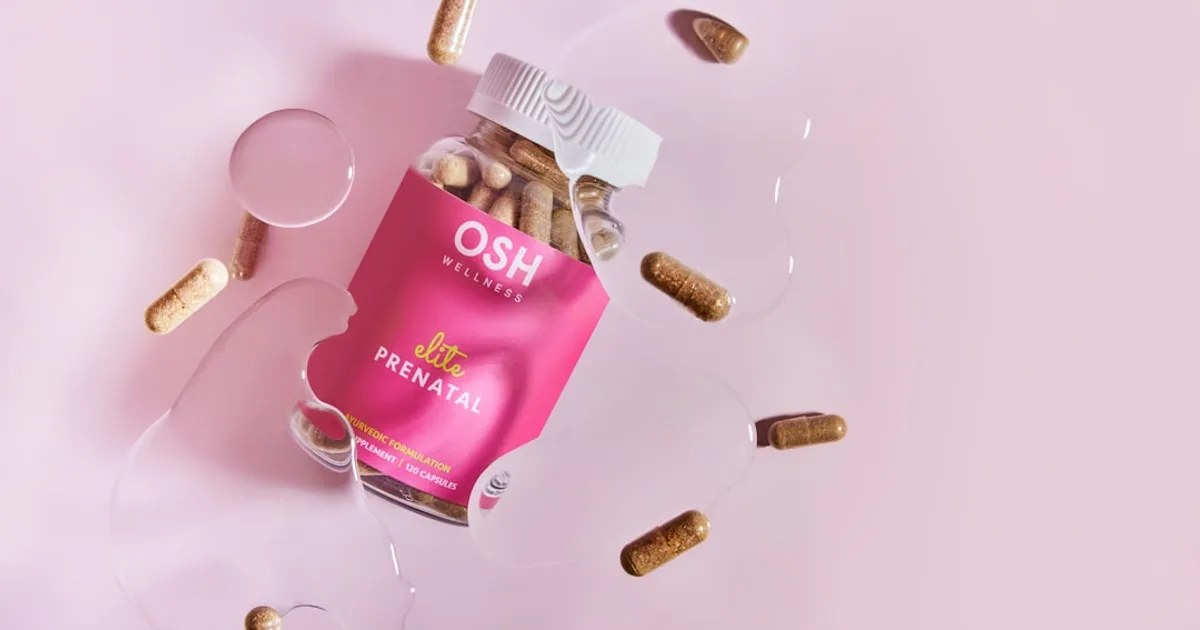
The prenatal vitamin you picked up from Boots almost certainly contains porcine gelatin in its capsule shell. That is the blunt reality for Muslim women navigating pregnancy supplementation in the UK. The NHS recommends folic acid and vitamin D from the moment you start trying — and for good reason — but the most widely marketed prenatal brands in British pharmacies use gelatin capsules sourced from pork, or softgels sealed with fish gelatin, or D3 from lanolin that sits in a grey area under mainstream Hanafi rulings.
This guide gives you a clear, source-checked breakdown of every ingredient category to watch during pregnancy: capsule shells, vitamin D3 origin, omega-3 delivery format, iodine source, and the everyday foods that catch out even careful shoppers when cravings and fatigue lower your usual vigilance. We name the specific UK brands, give you their current status, and point you to verified halal-suitable alternatives.
Why Pregnancy Complicates Halal Checking
Pregnancy dramatically increases the number of supplements and processed foods a woman consumes. The NHS advises folic acid (400 mcg daily before conception and through the first trimester), vitamin D (10 mcg daily throughout pregnancy), and iodine if your diet is low in dairy and fish. Many midwives also recommend iron, omega-3, and a comprehensive prenatal multivitamin.
That is five or more supplement products — each with its own capsule shell, excipients, and ingredient sourcing decisions. At the same time, food cravings and practical time constraints mean more ready meals, deli purchases, and supermarket snacks. Each category carries its own halal risks. Stress and exhaustion make thorough label-reading feel impossible. This guide is designed to make it fast.
The Prenatal Capsule Shell Problem
Gelatin Capsules (Haram)
Standard two-piece hard capsules — the kind used in most tablet-form prenatal vitamins — are made from gelatin. In UK-market supplements, this gelatin is almost always bovine or porcine in origin. Without halal certification from a recognised body such as HMC (Halal Monitoring Committee) or HFA (Halal Food Authority), you cannot assume the gelatin is halal-slaughtered bovine.
Vitabiotics Wellwoman Original and Wellwoman Plus, among the best-selling prenatal ranges in the UK, explicitly list gelatin as a capsule ingredient. Vitabiotics has confirmed to consumers via their customer service that the gelatin used is not from a halal-certified source.
HPMC / Plant Capsules (Halal)
Hydroxypropyl methylcellulose (HPMC) capsules are derived from plant cellulose. They carry no animal-origin concern and are fully halal. Brands that use HPMC will usually state “suitable for vegetarians and vegans” on the packaging — this is the fastest proxy check on shelf. Vegan capsules are halal capsules for this purpose.
Softgels (Check the Shell Material)
Softgel capsules — the oval, oil-filled format often used for omega-3 and vitamin D — use either gelatin or fish gelatin as the shell. Fish gelatin softgels are typically halal if the fish species is permissible, but some scholars require the fish gelatin source to be from a species with scales. Most UK omega-3 softgels do not specify the fish species used for the capsule shell; contact the manufacturer if it is not stated.
Vitamin D3: Lanolin vs Lichen vs Algae
The Lanolin Issue
The majority of vitamin D3 (cholecalciferol) in UK supplements is derived from lanolin — the grease extracted from sheep’s wool. The sheep is not slaughtered; lanolin is a by-product of wool processing. This places it in a mushbooh (doubtful) category under strict Hanafi jurisprudence. Some scholars permit lanolin-derived D3 on the grounds that it is a secretion from a living animal (similar to milk), while others prohibit it because the refinement process involves chemical conversion.
The mainstream UK Islamic bodies do not issue a blanket prohibition on lanolin-D3, but HMC-certified products will typically source from non-lanolin alternatives.
Lichen-Derived D3 (Halal)
Lichen is a plant-like organism; D3 extracted from lichen is entirely plant-origin and universally accepted as halal. It is rarer and more expensive — check the supplement label or brand website for “lichen-sourced vitamin D3.”
Algae-Based D3 / D2 (Halal)
Vitamin D2 (ergocalciferol) is derived from fungi or yeast and is fully halal. Algae-derived D3 is now available from several vegan supplement brands and is also halal. If the label says “suitable for vegans,” the D3 source is not lanolin.
Omega-3 During Pregnancy
DHA (docosahexaenoic acid) is critical for foetal brain and eye development. The NHS advises at least two portions of fish per week or a supplement. The halal issues here are twofold:
- Capsule shell — most fish oil supplements use gelatin or fish gelatin softgels (see above).
- Algae-based DHA — fully halal, delivers the same DHA without the capsule or sourcing concerns. Brands include Testa Omega-3 (algae-derived, HPMC or no-capsule liquid format) and Bare Biology (fish oil in fish gelatin softgels — check current formulation).
For Muslim women who want to avoid any ambiguity, algae-derived DHA supplements are the cleanest option. The DHA content is bioequivalent and the sourcing is unambiguous.
Iodine Source in Prenatal Vitamins
Iodine in supplements comes from potassium iodide (synthetic, halal), kelp (seaweed, halal), or occasionally from animal-derived sources. For UK prenatal vitamins, potassium iodide is the standard form — this is not a halal concern. Verify if the label states “kelp” or “seaweed extract” for iodine, which is also fully halal.
UK Prenatal Supplement Brand Status Table
| Brand / Product | Capsule Type | D3 Source | Omega-3 Format | Halal Status |
|---|---|---|---|---|
| Vitabiotics Wellwoman Original | Gelatin (porcine) | Lanolin | N/A | Haram |
| Vitabiotics Wellwoman Plus | Gelatin (porcine) | Lanolin | Fish gelatin softgel | Haram |
| Seven Seas Trying for a Baby | Gelatin | Lanolin | Fish gelatin softgel | Haram |
| Pregnacare Original (Vitabiotics) | Gelatin | Lanolin | N/A | Haram |
| Pregnacare Plus (Vitabiotics) | Gelatin | Lanolin | Fish gelatin softgel | Haram |
| Holland & Barrett Prenatal (own brand) | HPMC (plant) | Varies — verify | N/A | Mushbooh (verify D3 source) |
| Terranova Pregnancy Support | HPMC (plant) | Lichen | N/A | Halal |
| Pure Encapsulations Prenatal (UK) | Veg capsule | Varies — verify | N/A | Mushbooh (verify D3 source) |
| Testa Omega-3 (algae DHA) | No capsule / HPMC | N/A | Algae-derived | Halal |
| Alive! Women’s Prenatal | HPMC | Varies — verify | N/A | Mushbooh (verify D3 source) |
| Bare Biology Bump & Baby | Fish gelatin softgel | N/A | Fish oil in fish gelatin | Mushbooh (fish gelatin — verify species) |
Key: Always re-verify before purchasing — brands change formulations and suppliers without updating packaging immediately.
Folate vs Folic Acid
This is not a halal distinction but a health one worth noting. Folic acid is the synthetic form of vitamin B9; methylfolate (5-MTHF) is the active, bioavailable form. Women with the MTHFR gene variant cannot efficiently convert folic acid to folate. Both forms are synthetically derived and halal — the choice between them is a health question to discuss with your midwife or GP.
Foods to Double-Check During Pregnancy
Soft Cheeses and Rennet
Soft cheeses carry two concerns during pregnancy: listeria risk (the NHS recommends avoiding unpasteurised soft cheeses) and rennet source. PDO (Protected Designation of Origin) cheeses — such as traditional Parmigiano Reggiano, Grana Padano, and some French bries — are legally required to use animal rennet under their PDO specifications. That animal rennet is almost always porcine (pig stomach-derived) or non-halal-slaughtered calf rennet.
Avoid these during pregnancy on both safety and halal grounds. Pasteurised hard cheeses (Cheddar, Edam, Gouda from UK/Dutch producers) are more likely to use microbial rennet — check the label for “non-animal rennet” or “microbial rennet” or look up E1105 (lysozyme, from eggs, used in some cheeses).
Deli Meats and Sandwich Counters
Sliced deli meats from supermarket counters and pre-packaged sandwiches are a pregnancy craving staple, but without visible halal certification the slaughter method is unknown. Major UK supermarket own-brand chicken, turkey, and beef deli meats are not halal-certified. HMC-certified deli meats are available from specialist retailers and some Morrisons / Asda halal sections — verify the HMC logo, not just the word “halal” on the label.
Yogurts with Fruit Compote
Plain yogurt is generally halal (the lactic acid bacteria are halal; the milk must come from a halal-acceptable source). However, fruit-layer yogurts and set yogurts frequently add gelatin to achieve texture. Check for E441 (gelatin) in the ingredients list of any yogurt with a fruit layer, mousse texture, or “creamy” descriptor. Major offenders include some Müller Corner varieties and certain Activia flavoured pots.
Pre-Packaged Sandwiches
Beyond the deli meat question, pre-packaged sandwiches may contain:
- E471 (mono- and diglycerides of fatty acids) in the bread — animal or vegetable origin not specified on label
- Natural flavourings in sauces and dressings — can include meat extracts
- Rennet-based cheese in cheese sandwiches
When in doubt, choose sandwiches with clearly plant-based fillings (falafel, hummus, roasted veg) or prepare at home using HMC-certified ingredients.
Gestational Diabetes and Halal-Safe Low-GI Snacks
Gestational diabetes affects around 1 in 20 UK pregnancies. The dietary advice centres on low-GI, high-fibre carbohydrates and avoiding rapid blood sugar spikes. Halal-safe low-GI snacks that require no label anxiety:
- Whole almonds, walnuts, and pistachios (plain, unsalted — no coatings or flavourings)
- Plain oatcakes with hummus
- Fresh fruit with plain (unflavoured) yogurt
- Boiled eggs
- Carrot sticks with tzatziki (check tzatziki for gelatin — homemade is safest)
Avoid: flavoured nut mixes (may contain E120 cochineal colourant or animal-derived flavourings), low-calorie yogurt pots (often contain gelatin or aspartame), and most commercial cereal bars (E471 in coatings is common).
Trimester-by-Trimester Quick Reference
First Trimester (Weeks 1–12)
- Priority supplements: Folic acid (400 mcg) — confirmed halal (synthetic); Vitamin D (10 mcg) — verify D3 source; switch to HPMC capsule brand immediately
- Watch: Morning sickness foods — ginger biscuits often contain E471; plain ginger tea is safe
- Avoid: All porcine-gelatin capsule supplements; unpasteurised soft cheeses; non-certified deli meat
Second Trimester (Weeks 13–26)
- Priority supplements: Continue folic acid and vitamin D; add algae-based DHA if not eating oily fish twice weekly; consider iron if midwife advises (iron tablets are typically halal — confirm excipients)
- Watch: Increased appetite — snack choices matter; flavoured yogurts, fruit gummies, and cereal bars all carry gelatin risk
- Gestational diabetes screening: Choose halal-safe low-GI snacks from the list above
Third Trimester (Weeks 27–40)
- Priority supplements: Continue all above; calcium and magnesium common additions — verify capsule shell
- Watch: Pre-packaged convenience foods increase as fatigue peaks — re-read labels, do not assume previously safe products have not changed formulation
- Hospital snacks: Pack your own halal-certified snacks for the hospital bag; hospital vending machines and catering are not halal-certified
How we reached this verdict
Our assessment of each supplement brand was based on:
- Direct label review — ingredients lists on product packaging and brand websites (verified June 2026)
- Manufacturer correspondence — Vitabiotics customer service confirmed porcine gelatin use in Wellwoman and Pregnacare lines; this is publicly documented in multiple consumer enquiries
- HMC and HFA databases — neither Wellwoman nor Pregnacare appear in HMC-certified product lists
- Scholarly position on lanolin D3 — we followed the Darul Uloom UK and Islamic Council of Europe guidance classifying lanolin-derived D3 as mushbooh under Hanafi fiqh, not definitively prohibited
- Cross-reference with ingredient E-codes — E441 (gelatin), E471 (mono- and diglycerides), E120 (cochineal) flagged throughout
Brands listed as Mushbooh require personal verification of the current formulation before purchase. Brands and formulations change; always check at point of purchase.
Madhab note
This guide applies mainstream Sunni Hanafi criteria, which is the dominant madhab in the UK Muslim community and the position used by HMC and HFA.
Porcine gelatin: Prohibited (haram) under all four Sunni madhabs — no scholarly disagreement.
Bovine gelatin from non-halal-slaughtered animals: Haram under Hanafi position (the majority UK position). Some Shafi’i scholars permit it on the basis of istihala (transformation), but this is a minority position not recognised by UK halal certification bodies.
Lanolin-derived D3: Mushbooh under Hanafi position. Maliki and Shafi’i positions may be more permissive. If you follow a different madhab, consult your local scholar.
Fish gelatin: Permitted if from a permissible fish species. Species identity of fish gelatin in supplement capsules is rarely disclosed — enquire with the manufacturer.
If you follow the Shafi’i or Maliki madhab, some of the Mushbooh rulings above may resolve as permitted for you. Consult a qualified scholar for personalised guidance.
Summary: Quick-Answer Table
| Question | Answer |
|---|---|
| Are Wellwoman vitamins halal? | No — porcine gelatin capsule, not halal-certified |
| Are Pregnacare vitamins halal? | No — same porcine gelatin capsule issue (Vitabiotics) |
| Is D3 from lanolin halal? | Mushbooh — algae or lichen D3 is the safe choice |
| Are fish oil omega-3 softgels halal? | Mushbooh — algae-based DHA is the clean alternative |
| Is folic acid / methylfolate halal? | Yes — synthetic origin, no animal concern |
| Is iron supplement halal? | Generally yes — verify capsule shell and excipients |
| Is E441 in yogurt haram? | Yes — gelatin, avoid unless halal-certified bovine source confirmed |
| Which UK prenatal brand is safest? | Terranova Pregnancy Support (HPMC capsules, lichen D3) |
Where to Go Next
Use the E-codes database to look up any E-code you find on a supplement or food label — including E441 (gelatin), E471 (mono- and diglycerides), and E120 (cochineal).
Scan a full ingredient list with the ingredient scanner — upload a photo of the supplement facts panel or ingredients list and get an instant halal check across every listed ingredient.
Ingredients change. Be first to know.
Brands reformulate without warning. We track every E-code update and halal certification — one short weekly email.
Related Articles
 Shopping Guides
 Halal Eating for Muslim Seniors: Medications, Capsules and Supplements (2026)
NHS prescriptions default to porcine gelatin capsules. Here's how to request HPMC alternatives, which OTC supplements to check, and what to say to your GP or pharmacist.
 Shopping Guides
 We Checked 40 US Candy Brands: Gelatin, Carmine and Hidden Haram (2026)
US candy labelling hides gelatin behind "confectioner's glaze" and carmine behind "Red 40" confusion. Full audit of Skittles, Starburst, Sour Patch Kids, Haribo US, Swedish Fish, Trolli and more.
 Shopping Guides
 We Checked 50 UK Protein Bars: Every Halal Verdict (2026)
Gelatin, carmine, E471 from animal fat, and undisclosed alcohol-based flavourings appear across 50 UK protein bars. Full results table covering Grenade, Trek, Clif, Quest, Rxbar, Barebells and more.