
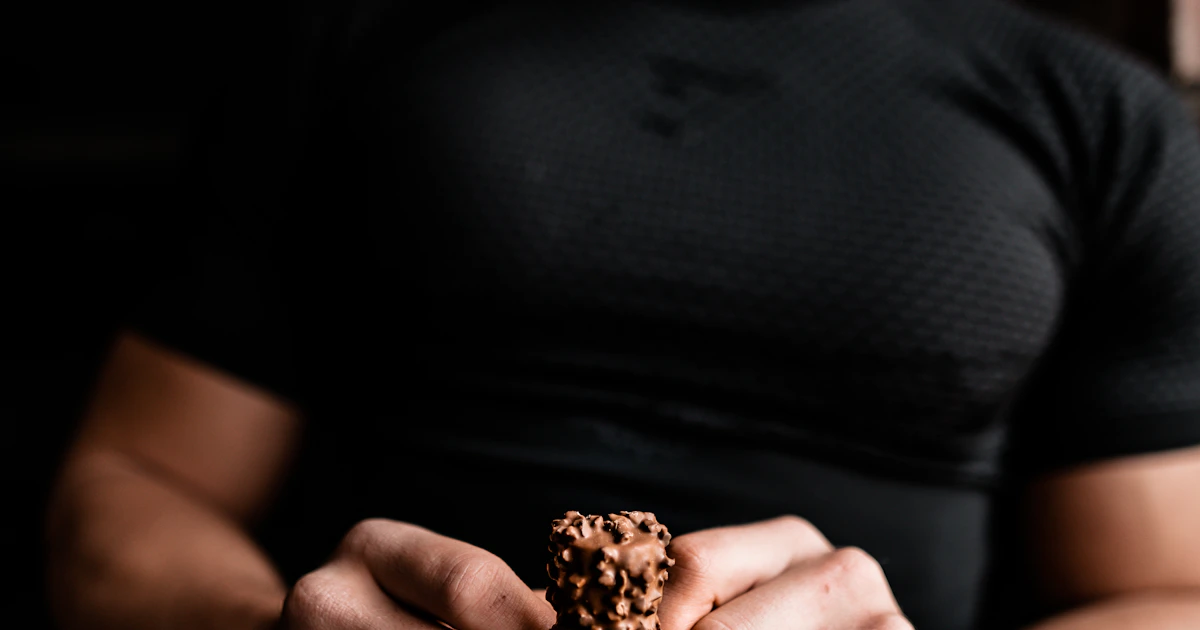
Quest Bars are the most popular protein bar in the US gym market and increasingly visible in UK fitness retail. The halal question comes up constantly in Muslim fitness communities — and the honest answer is Mushbooh: cleaner ingredients than most, but zero certification.
Here is the full audit.
What is Quest Bar?
Quest Nutrition was founded in 2010 and makes high-protein, low-sugar bars using a dairy-based protein formula. Quest Bars are sold in over 30 countries and are widely available in UK sports nutrition stores, Holland & Barrett, and Amazon. The brand was acquired by Simply Good Foods in 2019 and is now one of the largest protein bar brands globally.
The Quest Bar value proposition is: high protein (20–21g), low net carbs (via soluble fibre), no sugar alcohols in some variants. This makes them popular with gym-goers on low-carb or high-protein diets.
Core Ingredient Analysis — Quest Bar (Cookie Dough)
A standard Quest Bar (Cookie Dough flavour) contains:
- Whey protein isolate (primary protein source — dairy)
- Milk protein isolate (secondary protein — dairy)
- Soluble corn fibre (prebiotic fibre)
- Almonds
- Unsweetened chocolate
- Erythritol (E968 — fermentation-derived sugar alcohol, plant-based)
- Sunflower lecithin (E322) — plant-derived, halal
- Natural flavours — source undisclosed
- Palm kernel oil
- Cocoa butter
- Sea salt
No pork gelatine. No declared animal fat emulsifiers. The concerns are:
- Whey/milk protein isolate — dairy, permissible by type, but from an uncertified supply chain
- Natural flavours — source unknown; could include animal-derived flavour compounds legally classified as “natural”
- No halal certification — the supply chain audit does not exist
Quest Bar Variant Check
| Variant | Gelatine? | E471/E476? | Natural Flavours? | Certification? | Verdict |
|---|---|---|---|---|---|
| Quest Bar Cookie Dough | No | No | Yes | None | Mushbooh |
| Quest Bar Chocolate Chip Cookie Dough | No | No | Yes | None | Mushbooh |
| Quest Bar Mint Chocolate Chunk | No | No | Yes | None | Mushbooh |
| Quest Bar Birthday Cake | No | No | Yes | None | Mushbooh |
| Quest Bar Peanut Butter Supreme | No | No | Yes | None | Mushbooh |
| Quest Chips (Loaded Taco) | No | No | Yes | None | Mushbooh |
| Quest Chips (Ranch) | No | No | Yes | None | Mushbooh |
| Quest Cookies | No | Check label | Yes | None | Mushbooh |
| Quest Hero Bar | Check label | Check label | Yes | None | Mushbooh |
The pattern is consistent: no declared haram ingredients, no certification.
The Protein Source Question — Is Dairy Protein Halal?
Dairy ingredients (whey, milk) are permissible under Islamic law — milk itself is halal. The complication arises in industrial protein processing:
- Whey protein isolate is a byproduct of cheese production. The cheese-making process uses rennet — traditionally from calf stomach, now often microbial or plant-derived. Cheese rennet from non-halal-slaughtered calves would be a concern, but this is typically already separated out by the dairy processing stage and is not directly present in the isolated whey fraction.
- The processing aids used in protein isolation and spray-drying may include non-halal inputs. Halal dairy certification covers these processing aids.
For the most cautious standard (HMC-type), uncertified dairy protein in an uncertified product is Mushbooh because the processing chain is unverified. For a more lenient interpretation (common in the UK Muslim mainstream), dairy protein in a product with no other haram signals is often accepted — but the individual must apply their own madhab standard.
The Natural Flavour Issue
Quest Bars list “natural flavours” on every variant. Under US FDA and EU food law, “natural flavours” can include flavour compounds derived from:
- Plants (permissible)
- Fruit and vegetables (permissible)
- Dairy (permissible)
- Meat, seafood, or poultry (halal only if from halal-certified sources)
- Insects (Mushbooh to Haram depending on madhab)
The “natural flavour” declaration tells the consumer nothing about the specific compound. Without certification or direct manufacturer disclosure of each flavour compound’s source, natural flavours in Quest Bars remain Mushbooh.
Quest vs. CLIF — Comparing the Two Mushbooh Protein Bars
| Factor | Quest Bar | CLIF Bar |
|---|---|---|
| Gelatine | No | No |
| Primary protein | Dairy (whey/milk) | Soy + oat |
| Emulsifiers | Minimal | Minimal |
| Natural flavours | Yes | Yes |
| Halal certification | None | None |
| Verdict | Mushbooh | Mushbooh |
Both bars sit in the same position: cleaner than gelatine-containing snacks, but uncertified. Quest Bars use more dairy protein; CLIF Bars use more plant protein. Neither has been audited.
If an uncertified supply chain is a dealbreaker for you, there are protein bars that have actually been through a halal audit — we ranked the certified halal protein bars available in the US by certifier and protein source.
How we reached this verdict
- US and UK Quest Bar product labels: ingredient lists for Cookie Dough, Chocolate Chip, Mint Chocolate Chunk (current Simply Good Foods formulation)
- Halal certification body checks: HMC, HFA, IFANCA — Quest Nutrition does not appear in certified product lists
- Natural flavour sourcing analysis: US FDA 21 CFR 101.22 definition of natural flavours; Codex Alimentarius
- Sunni fatwa scholarship: Darul Iftaa Birmingham on uncertified whey protein and natural flavours; IslamQA on protein bar certification; Wifaqul Ulama
Madhab note
- Dairy protein (whey/milk) — Permissible by origin. The certification concern relates to processing aids and shared facilities, not the dairy itself. Hanafi-mainstream generally permits with caution; HMC-strict requires dairy certification.
- Erythritol (E968) — Produced by fermentation of glucose (plant-sourced). Halal under all four madhabs.
- Sunflower lecithin (E322) — Plant-derived. Halal under all four madhabs.
- Natural flavours (undisclosed source) — Mushbooh under all four madhabs when source is not specified. Certification or direct disclosure required.
Check any E-code from a protein bar label in the E-codes database.
Scan a full ingredient list instantly with the ingredient scanner.
Related: Are CLIF Bars Halal? — the same certification gap in a popular energy bar.
Ingredients change. Be first to know.
Brands reformulate without warning. We track every E-code update and halal certification — one short weekly email.
Related Articles
 Shopping Guides
 Are CLIF Bars Halal? Ingredients, Gelatin & Certification (2026)
CLIF Bars are Mushbooh — no halal certification, but most contain no gelatin. The concern is E471 in some variants and shared manufacturing facilities.
 Shopping Guides
 Is Ritz Crackers Halal? Nabisco Ingredients Checked (2026)
Ritz Original Crackers are Mushbooh — they contain E471 (mono and diglycerides) with no animal source disclosure and no halal certification.
 Shopping Guides
 Is Milka Chocolate Halal? Complete EU & UK Guide (2026)
Milka chocolate is Mushbooh — it contains E476 (PGPR) and E471 with undisclosed animal fat sources and no halal certification in UK or EU.