
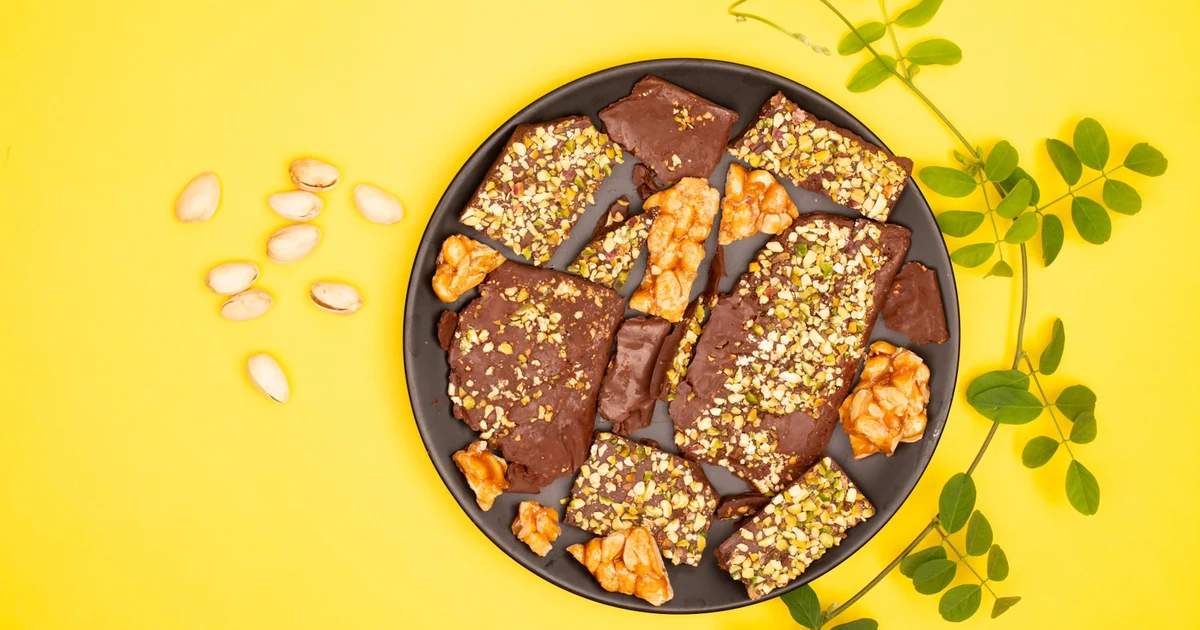
Quick answer: no American-made protein bar is halal-certified. Two certified imports are sold in the US — YuBi Bar (UK, plant-based, on Amazon) and Chief Collagen Protein Bars (Australia, on Amazon US and its own US store). On an ingredient basis the cleanest mainstream options are RXBAR (egg-white protein, flavour carriers disclosed), Misfits and ALOHA (plant-based). Avoid Pure Protein (unspecified gelatine). Quest, Built Bar, Grenade and US-made Barebells are Mushbooh.
Protein bars are the easiest way to hit a protein target on the move, and the US aisle is the worst in the world for halal clarity: big brands, no certifiers, and ingredient panels that hide the important line. This guide explains the four things that make a bar haram or doubtful, ranks what is actually buyable in the US by halal evidence, and answers the brand questions — Quest, Barebells, Built, Grenade, KIND, Pure Protein — people search most.
How we rank protein bars
We grade every bar on halal evidence first, protein second:
- Certified — a named halal body covers the finished bar. We say which body and how strong it is.
- Manufacturer-stated — the brand claims certification or “halal-suitable” but names no certifier. Weaker, but on the record.
- Ingredient-verified — no gelatine, no collagen, no E120, no whey-rennet issue, and the brand discloses its flavour carriers. Halal on ingredients, not certified.
- Mushbooh — something undisclosed (collagen source, flavour carrier, E471).
- Avoid — gelatine or E120 on the label.
A “Halal” in an Amazon listing title counts for nothing; we caught two such listings last time (Perkier, a Werner jerky) and keep checking. All brand statements below were re-read on 19 August 2026.
What makes a protein bar haram or doubtful
1. Gelatine (E441)
Used as a binder and for chew. Unless the label specifies beef or fish gelatine from a halal source, assume pork or non-zabiha beef. Pure Protein lists “hydrolyzed gelatin” with no source — that alone takes it off the table. E441 explained.
2. Collagen peptides
The new gelatine. Built Bar, Fulfil, Chief and several “clean” bars use bovine collagen for protein and texture. Collagen is cattle hide; from non-zabiha cattle it is not halal, and hydrolysis does not change that (Mufti Taqi Usmani’s fatwa on collagen rejects the transformation argument). A collagen bar is halal only with a certifier behind the slaughter chain. Full explainer: is collagen halal?
3. E120 carmine
Red, pink and berry flavours sometimes use E120 — crushed cochineal insects — for colour. Haram under the mainstream Hanafi ruling. Look for carmine, cochineal, Natural Red 4, CI 75470.
4. Undisclosed flavour carriers
“Natural flavors” can be carried in alcohol or animal-derived solvents. On its own this is not a dealbreaker; combined with no certification, it is the reason most bars land at Mushbooh. RXBAR is the example of a brand that answered the question publicly; most have not.
What is not a problem: whey and milk protein isolates. Dairy needs no slaughter, and the rennet question is about cheese, not isolate — see our whey guide and best halal whey protein USA. A whey bar is Mushbooh only because of flavours and facility, never because of the whey.
The best halal protein bars you can buy in the US — ranked by evidence
1. YuBi Bar — certified (IIJ, UK), plant-based, 10 g protein
Halal basis: certified. YuBi’s own site states its bars are “certified HALAL by the Institute of Islamic Jurisprudence” and the FAQ adds they suit “a halal or alcohol-free diet”. YuBi sells in the US through Amazon.
Honest note on the certifier: the Institute of Islamic Jurisprudence is a small UK body — not HMC or HFA — and no certificate is linked on YuBi’s site. That is still a named certifier, which is more than any US-made bar can say.
- Protein: 10 g plant protein per 35 g bar, 99 kcal, under 1 g sugar
- Free from: dairy, gelatine, collagen, palm oil
- Flavours: Caramel, Cookie Butter, Cookies & Cream, Fudge Brownie, Hazelnut, Peanut, Raspberry Ripple, S’Mores, Double Choc
- Where: Amazon US (multi-packs), yubibar.com
Verdict: the only certified bar on Amazon US. Light on protein for a post-gym bar; ideal as a certified snack or Suhoor top-up.
2. Chief Collagen Protein Bars — manufacturer-stated halal certified, ~16 g protein
Halal basis: manufacturer-stated. Chief’s US store groups these under “Halal Certified” and the brand tells retailers “our collagen range is halal certified (we export to the Middle East)” — but no certifier is named anywhere we could find, and the protein is bovine collagen, which is exactly where a certifier matters.
- Protein: about 16 g per bar (11 g of it hydrolysed grass-fed Argentine bovine collagen)
- Ingredients: peanuts, cashews, collagen, tapioca, maple syrup, MCT oil, monk fruit — no whey, no gelatine, no flavourings beyond cacao/vanilla/lemon oil
- Where: Amazon US (Peanut Butter, Double Choc, Hazelnut Brownie 12-packs — the Amazon ingredient panel reads “halal grass-fed bovine collagen”) and us.wearechief.com, about $3.30 a bar
Verdict: promising, unproven. If Chief publishes the certificate this moves to #1 for protein content; until then it sits one tier below YuBi.
3. RXBAR — ingredient-verified, 12 g egg-white protein
Halal basis: ingredient-verified, not certified. Dates, egg whites, nuts, chocolate, natural flavours, sea salt. No gelatine, no collagen, no E471, no E120. RXBAR’s support centre states its natural flavours contain no “animal products/derivatives (other than honey for some flavors)” — the disclosure that closes the flavour gap. Eggs need no slaughter certification in any Sunni school. Full audit: RXBAR verdict.
Verdict: the cleanest mainstream bar in US retail. What it lacks is a certifier’s audit of the facility. If ingredient verification is your standard — as it is for Nakd and Trek in the UK — RXBAR clears it.
4. Misfits Plant Protein Bars — manufacturer-stated “suitable for a halal diet”, 14–17 g
Halal basis: manufacturer-stated, not certified. Misfits’ FAQ: “not currently certified as Halal, however our products are plant-based and suitable for those following a Halal or alcohol-free diet.” That explicit alcohol-free statement is what most plant bars do not give.
- Protein: 14–17 g (pea/soy), vegan, no gelatine, no collagen
- Where: Amazon US; UK brand
Verdict: the best plant-based statement among US-available bars. The same tier as RXBAR, with more protein.
5. ALOHA Organic Plant Protein Bars — plant-based, 14 g, flavour carrier undisclosed
Halal basis: ingredient-based only. Organic, Non-GMO, OU kosher, Certified Vegan — ALOHA’s FAQ lists its certifications and halal is not among them, and it has not said what carries its natural flavours. No whey, no gelatine, no collagen, no E120.
Verdict: suitable on a plant-based basis, one open question. We asked ALOHA about the flavour carrier and will update if they answer.
Also plant-based, uncertified: TruBar and GoMacro
TruBar (12 g, brown rice and pea protein) is vegan- and kosher-certified, made in a shared facility; GoMacro (10–12 g) is organic, vegan and kosher. Neither names a halal certifier or discloses the flavour carrier. Same basis as ALOHA.
The bars people ask about — verdicts
| Bar | Halal status (US product) | Why |
|---|---|---|
| Quest | Mushbooh | Milk/whey isolates are fine; natural flavours and facility unverified; no certification. Are Quest Bars halal? |
| Barebells | Mushbooh (US) | Barebells: EU-made bars and all milkshakes halal-certified; “bars produced in the US are not halal certified”. US stock can be either; certifier unnamed. |
| Pure Protein | Avoid | ”Hydrolyzed gelatin”, source unspecified; shellac glaze. Listed as “halal” on several roundups — wrongly. |
| Built Bar | Mushbooh | Bovine collagen, no certification, source undisclosed. |
| Grenade Carb Killa | Mushbooh | Grenade holds ingredient certificates for its bovine gelatine, but the bar is not certified and E471 is undisclosed. |
| Fulfil | Mushbooh (US) | Brand: “halal bovine products” used; only Arabic-language packs carry the halal logo. US packs uncertified. |
| KIND Protein | Ingredient-suitable, uncertified | KIND UK: “all our products are halal suitable”; KIND US is OU kosher and silent. No gelatine. |
| Clif Builder’s | Mushbooh | Soy protein, no gelatine; E471 source undisclosed in some variants. Are Clif Bars halal? |
| Kirkland protein bar | Ingredient-suitable, uncertified | Whey/milk protein, vegetable glycerin, no gelatine; no certification. |
| ONE, think!, Power Crunch, Perfect Bar | Mushbooh | Whey/milk protein bars; no certification; flavours undisclosed. Check each for gelatine and carmine. |
| Crave | Unverified | ”Certified halal” claim circulates on TikTok; brand site names no certifier; milk-protein + collagen blend. Do not assume. |
| Perkier | Not a halal pick | ”Halal” appears in an Amazon listing title only; Perkier’s own site makes no halal claim. UK brand, not in US retail. |
Comparison table
| Bar | Evidence tier | Protein / bar | Protein type | Gelatine / collagen | Buy |
|---|---|---|---|---|---|
| YuBi Bar | Certified (IIJ, UK) | 10 g | Plant | None | Amazon US |
| Chief Collagen Protein Bar | Manufacturer-stated certified | ~16 g | Bovine collagen + nuts | Collagen (stated halal) | Amazon US, us.wearechief.com |
| RXBAR | Ingredient-verified | 12 g | Egg white | None | Everywhere |
| Misfits | Manufacturer-stated suitable | 14–17 g | Plant | None | Amazon US |
| ALOHA | Ingredient-based | 14 g | Plant | None | Amazon US, retail |
| TruBar / GoMacro | Ingredient-based | 10–12 g | Plant | None | Retail |
| Quest | Mushbooh | 20–21 g | Milk/whey isolate | None | Everywhere |
| Barebells (US stock) | Mushbooh | 20 g | Milk protein | None | Walmart, Amazon |
| Built Bar | Mushbooh | 15–17 g | Collagen + whey | Collagen | Costco, online |
| Pure Protein | Avoid | 20 g | Whey + gelatine | Gelatine | Everywhere |
Halal energy bars vs protein bars
Searches for “halal energy bar” land here too, so: an energy bar is oats, dried fruit and nuts with 4–11 g protein; a protein bar targets 15–20 g. Energy bars are easier halal territory because they rarely use gelatine or collagen:
- Nature Valley — oats, honey, vegetable oil; halal on ingredients, uncertified
- Larabar — dates and nuts, vegan, OU kosher; no halal certifier; check flavours for “natural flavor”
- Nakd and Trek — UK brands, halal on ingredients; limited US stock
- Clif classic — Mushbooh on undisclosed E471
How to read any protein bar label in 20 seconds
- Gelatin with no source → avoid.
- Collagen with no halal certifier → Mushbooh.
- Carmine / cochineal / Natural Red 4 / CI 75470 → avoid.
- Whey / milk protein → fine in itself; look at the rest.
- Natural flavors + no certification → Mushbooh unless the brand discloses the carrier (RXBAR does).
- A certifier logo you can trace → halal.
When in doubt, photograph the panel and run it through the ingredient scanner.
Ramadan: protein bars at Suhoor
Suhoor is the meal that decides how the fast feels. A bar with 12–20 g protein, a glass of milk and a banana or a few dates gives roughly 30 g protein, slow carbohydrate and potassium in two minutes — useful when Fajr is early. Choose a bar from tiers 1–3 above; at Suhoor, the last thing you want is a doubtful ingredient.
Frequently asked questions
Is there a halal protein bar at Walmart or Target? Not a certified one. Walmart and Target stock RXBAR (clean, uncertified), ALOHA and TruBar (plant-based, uncertified) and Barebells (US stock uncertified). The two certified options — YuBi and Chief — are online only (both on Amazon US).
Is whey protein halal? Yes in itself. Whey and milk protein isolates need no slaughter; the concern in cheese (rennet) does not apply to isolates in the same way, and certified halal whey powders exist. See is whey halal? and our halal whey protein picks.
Are protein bars suitable for children? Most are formulated for adults. For active teenagers the halal rules are the same; the protein target is lower.
Can I make my own halal protein bars? Yes: halal-certified whey (SHIFAA Nutrition), oats, honey, nut butter and halal dark chocolate. Recipes are everywhere online; the certified whey is the part that matters.
UK reader? The UK market is broader — see Best Halal Protein Bars UK and our audit of 50 UK protein bars.
How we verified these picks
Checked 19 August 2026:
- YuBi Bar — yubibar.com halal protein bars collection (“certified HALAL by the Institute of Islamic Jurisprudence”) and FAQ (halal/alcohol-free diet; US sales via Amazon). Certifier’s standing noted: small UK body, no certificate linked.
- Chief Nutrition — us.wearechief.com “Halal Certified” collection; retailer copy quoting Chief on Middle East export certification; no certifier named on any Chief page we could load.
- RXBAR — support-centre statement on natural flavours (no animal derivatives other than honey).
- Misfits — UK FAQ: not certified, “suitable for those following a Halal or alcohol-free diet”.
- ALOHA — FAQ certifications list (Organic, Non-GMO, OU kosher, Certified Vegan); no halal.
- TruBar, GoMacro, KIND, Larabar — brand FAQs: vegan/kosher certifications; no halal certifier; KIND UK “halal suitable” statement.
- Barebells — global FAQ (EU bars and milkshakes certified; “bars produced in the US are not halal certified”) and US FAQ.
- Grenade — FAQ: bovine gelatine ingredient certificates; finished bars not certified.
- Fulfil — UK FAQ: halal bovine products; halal logo on Arabic-language packs only.
- Pure Protein — ingredient panel: hydrolyzed gelatin, confectioner’s glaze.
- Perkier, Crave — no halal claim on the brands’ own sites.
- IFANCA / ISA / HFSAA — no US-made protein bar found in their public listings.
Community roundups and TikTok lists are not used as evidence. One widely ranked “best halal protein bars” page lists Pure Protein four times; Pure Protein contains gelatine.
Summary
Certified: YuBi (Amazon US) and — pending its certificate — Chief. Clean, uncertified: RXBAR, Misfits, ALOHA, TruBar, GoMacro. Mushbooh: Quest, US Barebells, Built, Grenade, Fulfil, Clif Builder’s. Avoid: Pure Protein and anything else listing gelatine or carmine.
The US halal supplement market is growing fast — certified whey appeared, certified collagen appeared — and a certified American-made bar will follow. When it does, this page will say so. Until then, buy by evidence tier, and run any new bar through the e-codes database.
Run a certified halal brand that belongs in this guide?
Get featured here and across HalalCodeCheck — reach shoppers at the moment they verify.
Ingredients change. Be first to know.
Brands reformulate without warning. We track every E-code update and halal certification — one short weekly email.
Related Articles
 Shopping Guides
 Best Halal Chickpea Snacks 2026 — High-Protein Plant-Based Picks
Chickpea snacks are naturally halal, high-protein, and increasingly popular. Here are the best halal chickpea crisps and snacks to buy online in 2026.
 Shopping Guides
 Best Halal Protein & Meal Replacement Shakes USA 2026
We checked seven US ready-to-drink protein shake brands for a real halal claim. One has a facility-level accreditation with caveats — the rest don't. Here's what we found.
 Shopping Guides
 Halal Snacks in Indonesia: Which Crisps and Chips Are MUI-Certified? (2026)
Most Indonesian domestic snack brands — Chitato, Piattos, Cheetos Indonesia — carry MUI certification. The risk is in imported snacks without a halal label. Here is the full guide.