
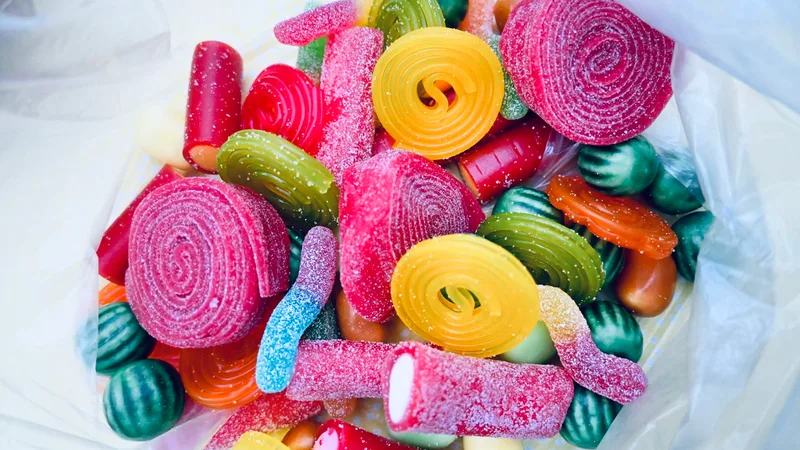
E-Codes in Confectionery
50 additives commonly found in this food type
⚠️ 28 additives require source verification
Is Confectionery halal?
Confectionery commonly contains 50 food additives, of which 22 are Halal, 28 are Mushbooh and 0 are Haraam. E104 (Quinoline Yellow) and E140 (Chlorophyll) require source verification - the same additive can be plant-derived (halal) or animal-derived (haraam) depending on the manufacturer. Look for a halal certification logo or contact the brand directly.
Key concerns in Confectionery
These additives are the most important to verify before purchasing.
Source: synthetic coal tar dye
Synthetic dye - halal in dry powder form. If used as a liquid color, the solvent must be halal (water-based, not alcohol). Banned in US…
Source: plant leaves (spinach, nettles, grass) - extracted using organic solvents
The pigment itself is plant-derived and halal. However, alcohol-based solvents are commonly used in extraction, which makes the final pro…
Source: plant sources (carrots, spinach, citrus) - sometimes requires gelatin as carrier
Same concern as E160a - carotenoid itself is halal but gelatin carrier may be from pork (UK/EU) or fish (USA). Look for halal certifica…
Verify the source before buying
28 additives in confectionery are source-dependent. The label alone is insufficient - you need to know whether the additive was derived from plant, animal, or synthetic sources.
💡 "Suitable for vegetarians" is a useful shortcut - it typically rules out pork-derived fats and animal-derived gelatine.
E-codes found in Confectionery (50)
Tap any code for a full halal verdict and ingredient details.
🛒 Halal Alternatives
Looking for halal-certified confectionery to buy?
These products are verified halal — no questionable additives.
Related Food Categories
These food types share E-codes with confectionery:
Was this page helpful?