
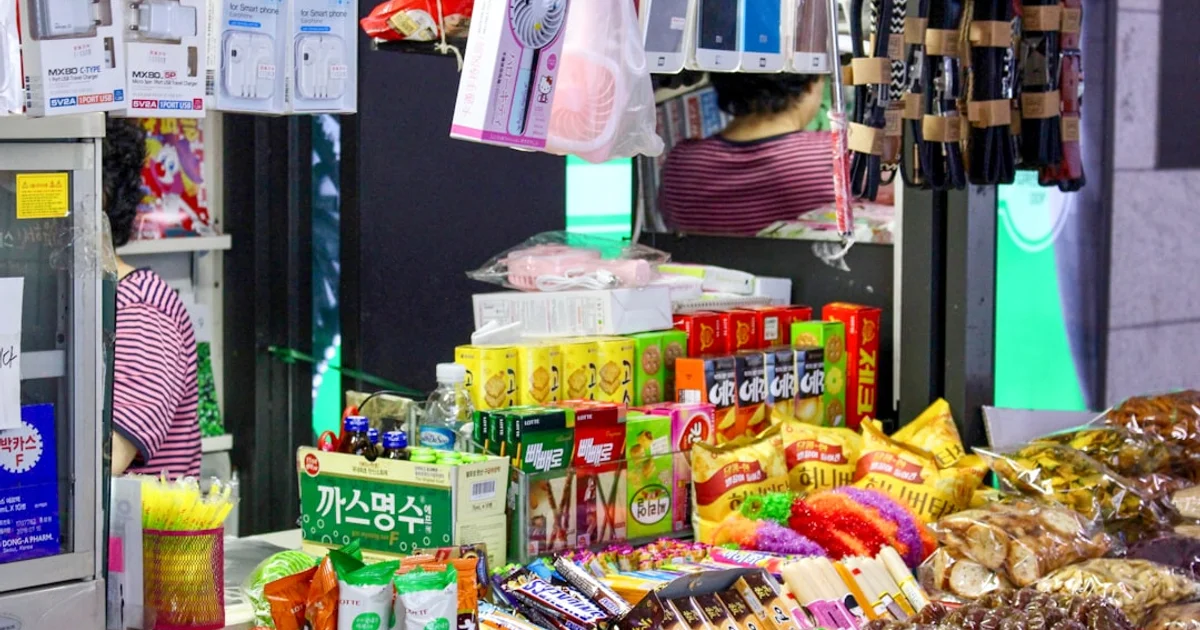
Stand in a GS25 at 11pm in Seoul: a wall of ramyeon cups, a rack of jellies, Choco Pies by the till, banana milk in the fridge, and not a single halal logo in sight. Every one of those products has a different answer, and two of them are the same brands you may already buy halal-certified at home — in a different, certified version that never reaches Korean shelves.
That’s the trap to understand first: Korea’s snack giants run separate halal production for export while selling uncertified versions domestically. We’ve covered this two-version problem for Buldak ramen, Shin Ramyun and Pepero individually — in Korea itself, you’re almost always holding the domestic version.
The Same Brand Is Not the Same Product
- Samyang Buldak — halal-certified export lines (KMF/MUI/JAKIM) made at dedicated Miryang plants, the second opened in June 2025 purely for export. Domestic packs: uncertified, meat extracts, Mushbooh at best.
- Nongshim Shin Ramyun — a halal export line has run in Busan since 2011 for the Gulf; a new export-only plant with halal certification broke ground in 2025. The standard domestic pack contains beef extract with no slaughter verification — not halal.
- Ottogi Jin Ramen — the newest convert: MUI-certified in December 2024, with halal Jin Ramen launched for Indonesia in late 2025. Domestic packs remain uncertified.
- Lotte Pepero — certified export SKUs exist; the domestic version is Mushbooh with undisclosed flavourings.
- Binggrae Melona and Samanco — JAKIM-certified for export since 2015; the domestic freezer stock carries no certification.
Why the rush of new certifications? Indonesia’s mandatory halal deadline for imported food (October 2026) is pulling the entire K-snack industry toward certification — for export. Korean domestic shelves are unaffected.
What’s Actually Safe at CU, GS25 and 7-Eleven
The clean category: plain roasted gim (seaweed). Seaweed, oil, salt — the most reliably halal snack in the country even without certification. CJ’s Bibigo seaweed snacks even carry halal certification on export SKUs. Watch only the flavoured variants, where bulgogi-style seasoning can include meat-derived powder.
Ingredient-clean but uncertified (check the label, then decide by your own standard):
- Tuna-mayo samgak gimbap — the triangle kimbap staple; no meat, but check the allergen line
- Binggrae Banana Milk — a community favourite; no haram ingredients declared
- Plain biscuit and cracker lines (Butter Waffle, Sando) — watch flavourings and E471-type emulsifiers
- Boiled eggs, fruit and nut packs, plain crisps
A rare certified find: TANGLE cup pasta (tomato, mushroom cream, garlic oil) sold at CU, GS25 and 7-Eleven is actually halal-certified — one of the very few certified products in Korean convenience retail.
Avoid without a second look:
- The jelly and gummy rack — gelatine of unstated source is the default; treat as haram unless the source is declared
- Choco Pie and marshmallow snacks — Orion has confirmed pork gelatine in the Korean-made Choco Pie
- Anything meat-flavoured — 불고기맛 (bulgogi flavour) crisps and ramyeon cups use meat extract powders with no slaughter verification
- Soju- or makgeolli-flavoured candies and ice creams
- Pink and red candies — check for carmine (E120)
- The hot-food counter — pork-heavy, shared fryers and tongs
Reading a Korean Label
Korean packaging gives Muslims one genuinely helpful tool most countries don’t: the allergen and facility line. Learn four words:
| Korean | Meaning |
|---|---|
| 돼지고기 | Pork |
| 쇠고기 | Beef |
| 닭고기 | Chicken |
| 주정 | Alcohol (spirit) |
Labels also disclose shared production — “this product is made in a facility that also processes pork” — which is exactly the cross-contamination information halal buyers usually have to guess at. A photo-translation app covers the rest of the panel; flavour enhancers like E631 and E627 are worth a second look since they can be meat-derived.
For groceries beyond snacks, the Seoul Central Mosque area in Itaewon is the halal hub — certified butchers and import marts within a few minutes’ walk of the mosque.
Who Certifies in Korea
The Korean Muslim Federation (KMF) has certified halal food in Korea since 1994 and is cross-recognised by JAKIM, MUIS and Indonesia’s certification system. KMF certificates carry a unique code verifiable online — which matters, because Korean broadcasters have documented restaurants using “halal” signage without any certification. For packaged snacks, the printed KMF, MUI or JAKIM logo is the only marker that counts.
How we reached this verdict
We checked the following Tier-1 sources before publishing (all checked July 2026):
- KMF — certification scheme, Shariah committee process, and online certificate verification records (including Samyang’s certified plants).
- Manufacturer and certifier records — Samyang’s Miryang export plants (2022, 2025) and MUI certification history; Nongshim’s Busan halal line (since 2011) and 2025 export-plant groundbreaking; Ottogi’s MUI certification (December 2024); Binggrae’s JAKIM certification (2015); Orion’s confirmation of pork gelatine in Korean-made Choco Pie and its halal-certified Vietnam production.
- The 2017 precedent — Indonesia’s BPOM revoked permits for four Korean noodle products after pig-DNA findings (Samyang U-Dong and Kimchi, Shin Ramyun Black, Ottogi Yeul Ramen) — the event that forced the industry’s dedicated halal lines.
- Sunni fatwa on the key ingredients — Darul Iftaa Birmingham on Choco Pie and on gelatine from haram sources; IslamQA on gelatine (answer 219137) and on trace ethanol in flavourings (answer 201520).
Community databases flag individual Korean snacks inconsistently — often marking the domestic version of a product whose export version is certified. We verify against certifier and manufacturer records instead.
Madhab note
The gelatine default relies on a school-divergent question: whether gelatine production transforms (istihala) an impure source into something pure. The Hanafi mainstream and most contemporary UK darul-iftaas do not accept istihala for gelatine, so unspecified gelatine is treated as haram — the position we publish. A minority position (notably the European Council for Fatwa and Research) accepts the transformation argument. For pork-derived gelatine confirmed by the manufacturer, as in the Korean Choco Pie, the verdict is haram on all positions.
Summary
| Question | Answer |
|---|---|
| Korean-shelf Buldak/Shin Ramyun/Pepero | Uncertified domestic versions — not the halal export product |
| Choco Pie in Korea | Haram — pork gelatine, manufacturer-confirmed |
| Cleanest snack category | Plain roasted gim (seaweed) |
| Certified in convenience stores | TANGLE cup pasta; almost nothing else |
| Fastest label check | Allergen line: 돼지고기 = pork, 주정 = alcohol |
Travelling on from Korea, or comparing certifiers? See our JAKIM E-codes guide and instant noodles overview. Check any additive in the E-codes database or scan a label with the ingredient checker.
Ingredients change. Be first to know.
Brands reformulate without warning. We track every E-code update and halal certification — one short weekly email.
Related Articles
 Shopping Guides
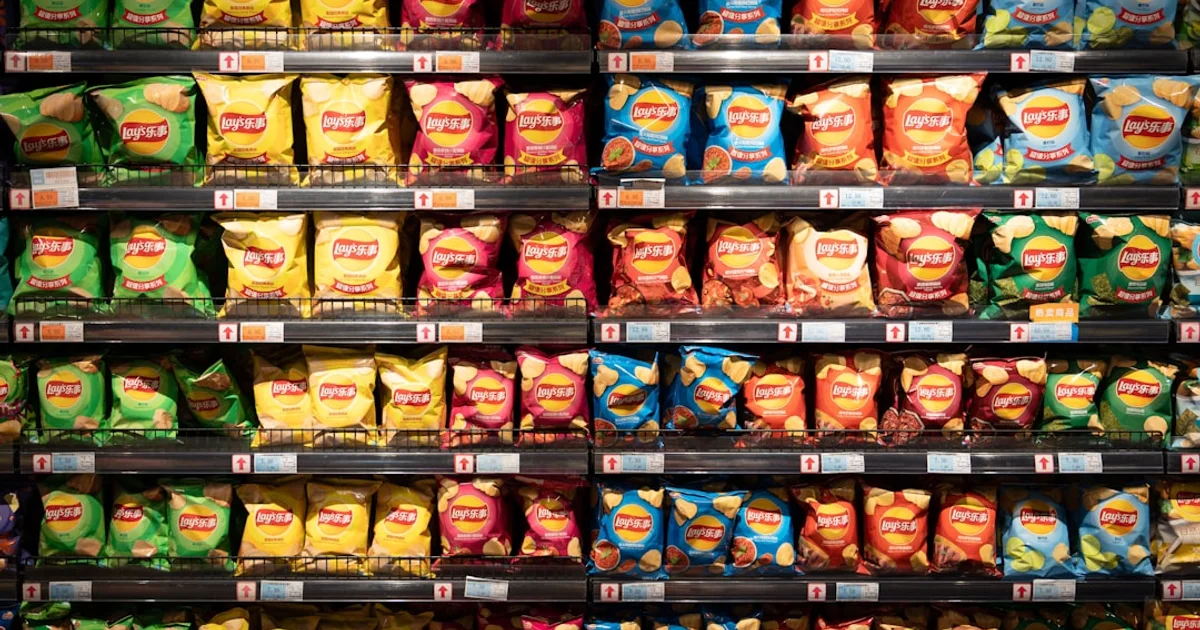
 Halal Snacks in Turkey: Why Ülker Has No Logo and Lay's Türkiye Has No Certificate (2026)
In Turkey halal is the default, not a label — so most domestic snacks carry no helal mark and are still fine. The exceptions worth checking: Frito-Lay's Turkish-made Lay's and Doritos publish no product-level certificate, and imported European snacks bring pork and gelatine with them.
 Shopping Guides
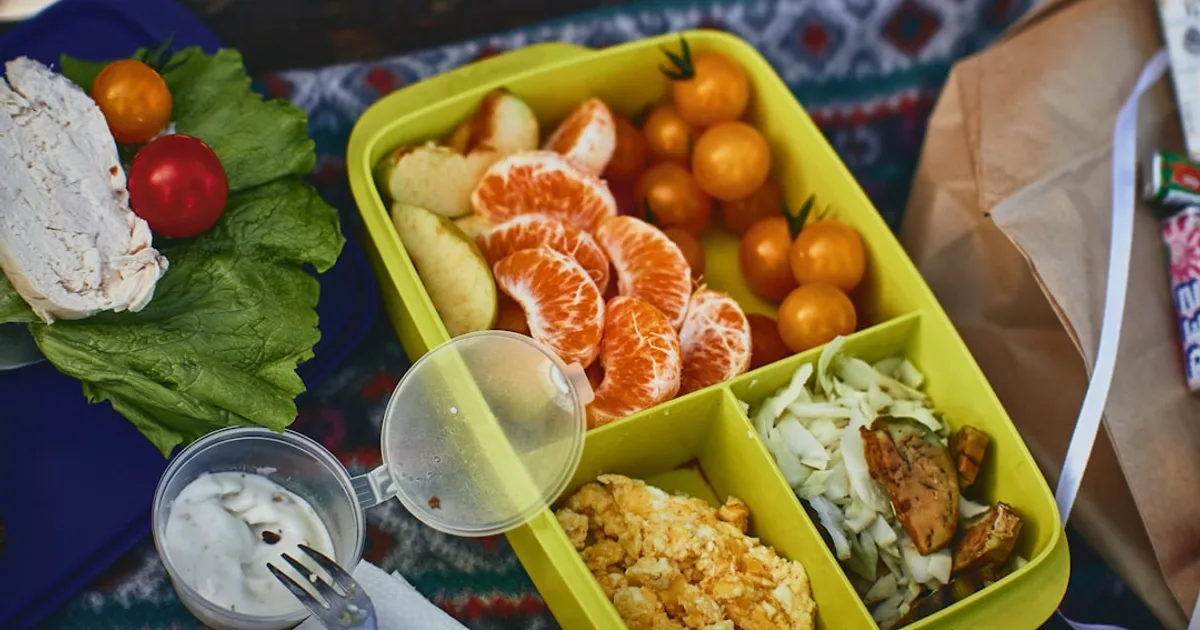
 Halal Lunchbox Guide for Muslim Kids at UK Schools (2026)
Flavoured crisps, yogurt tubes, gummy snacks and cereal bars hide haram ingredients. Aisle-by-aisle guide to halal-safe lunchbox staples, with branded alternatives per category.
 Shopping Guides
 Halal Snacks for Kids: US School-Safe Options (2026)
Most popular US kids' snacks contain gelatin or undisclosed animal-derived ingredients. Here's the definitive list of halal-safe school snacks with brand names and what to avoid.