
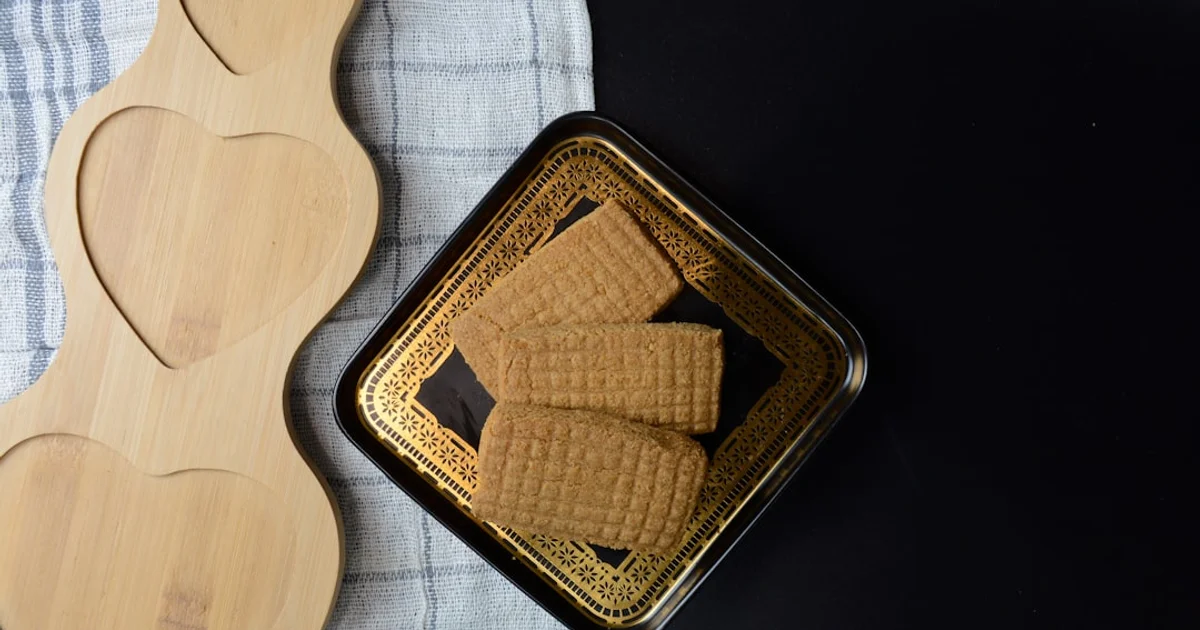
The Netherlands has no state halal regulation and a scatter of private certifiers, and almost none of them appear on a supermarket bakery pack. So the Dutch bakery aisle comes down to two skills: reading the Dutch word for the gelatine species, and knowing which supermarket chain quietly switched to plant-based. Get those two right and most of the aisle sorts itself.
Which Shelf to Trust
The single most useful fact for Dutch cakes: the chains differ on gelatine.
- Jumbo replaced all its bakery gelatine with plant-based alternatives — the safest mainstream cream cakes.
- Albert Heijn and Plus still use beef gelatine in cream cakes — read each label.
Reading the Dutch Label
Dutch labels helpfully specify the species:
- rundergelatine — beef gelatine (not halal unless the slaughter is verified) — avoid
- varkensgelatine — pork gelatine — haram
- gelatine (no species) — treat as pork-risk
- plantaardig / vegan — the fastest gelatine-free proxy
- E471 / E470a of unstated origin — Mushbooh
- aroma — unspecified flavouring — a doubt trigger, not automatically haram
Bakery Brands in the Netherlands
Daelmans (stroopwafels) — the strongest positive
Daelmans’ FAQ states its stroopwafels are halal-suitable, with no additives of animal origin and E471 of plant origin. Not third-party certified, but the manufacturer statement plus a plant-source E471 make this the best positive in the set.
Verdict: Halal (manufacturer statement; not certified).
HEMA (cakes) — beef gelatine
HEMA’s own statement is that its cakes use beef (not pork) gelatine, which it describes as “not halal, not haram.” But beef gelatine from unverified slaughter is not halal under the mainstream Sunni position. HEMA’s separate vegan line is safe.
Verdict: Avoid gelatine cakes; vegan line halal-suitable.
Albert Heijn own-brand — read each label
Albert Heijn runs no blanket certification but discloses gelatine species per product — its Red Velvet cake lists rundergelatine (beef). Dry biscuits are often clean; cream cakes are Mushbooh-to-avoid depending on the species listed.
Verdict: Varies — read each label.
Bolletje, Peijnenburg, Verkade
- Bolletje — no cert or statement; plain beschuit and kruidnoten are ingredient-clean (plant oils, no gelatine), but some lines carry E471/E470a of unstated origin. Mushbooh / Varies.
- Peijnenburg (ontbijtkoek) — no statement; naturel variants contain no animal flesh but list glycerol (E422) and unspecified aroma; the gluten-free variant contains whey. Mushbooh (naturel leaning acceptable).
- Verkade (biscuits) — only a 2013 statement (pre-pladis) that animal gelatine appears in the Café Noir glaze and no animal fats are used. No current statement, so treat as historical. Mushbooh / Varies.
Halal Bakery in the Netherlands
Beyond the supermarkets:
- Turkish and Moroccan bakeries in Amsterdam (West, Nieuw-West), Rotterdam and Utrecht — many use plant-based or halal-slaughter ingredients; ask directly
- Vegan/plantaardig supermarket lines — a reliable gelatine-free route (HEMA vegan, Jumbo plant-based cakes)
- HVV/HFFIA (halal.nl) and HQC certify mostly B2B/export, so their logos rarely appear on retail bakery — don’t expect them on the shelf
Verdict Summary
| Product | Brand / Chain | Verdict |
|---|---|---|
| Stroopwafels | Daelmans | Halal (manufacturer statement) |
| Cream cakes | Jumbo bakery | Halal (plant-based gelatine) |
| Cakes | HEMA | Avoid (beef gelatine); vegan line safe |
| Red Velvet & cream cakes | Albert Heijn | Varies (read species) |
| Beschuit, kruidnoten | Bolletje | Mushbooh / Varies |
| Ontbijtkoek | Peijnenburg | Mushbooh |
| Biscuits | Verkade | Mushbooh / Varies |
To check any E-code on a Dutch label, use the E-codes database or scan the panel with the ingredient checker. See also How to Identify Halal Products in the Netherlands.
How we reached this verdict
- Daelmans: stroopwafels.com FAQ — halal-suitable, no animal-origin additives, plant-origin E471.
- HEMA: HEMA’s own statement that its cakes use beef gelatine (“not halal, not haram”).
- Albert Heijn: ah.nl product data — Red Velvet cake lists rundergelatine; gelatine species disclosed per product.
- Chain difference: Dutch trade coverage confirming Jumbo replaced bakery gelatine with plant-based while AH and Plus retained beef gelatine.
- Certification bodies: HVV/HFFIA (halal.nl) and HQC certify B2B/export; no supermarket bakery brand here holds a verifiable retail halal certificate.
Madhab note
Pork gelatine is haram across all four madhabs. Beef gelatine from unverified (non-halal) slaughter is not halal under the dominant Hanafi position and by precaution in the other schools — this is why HEMA’s beef-gelatine cakes and AH’s rundergelatine lines are excluded despite not being porcine. A minority of contemporary scholars accept istihāla (transformation) for gelatine; those following that view would treat beef-gelatine cakes differently. Daelmans’ plant-origin E471 and Jumbo’s plant-based switch satisfy the mainstream plant-source rule; “aroma” with no discernible alcohol trace is excused by the mainstream position.
Ingredients change. Be first to know.
Brands reformulate without warning. We track every E-code update and halal certification — one short weekly email.
Related Articles
 Shopping Guides
 Is Vidal Candy Halal? Spanish Sweets Checked for Gelatin & E-Codes
Vidal sweets are Mushbooh to Haram — most gummy products contain pork gelatine. Some products use plant-based alternatives — check the label for each variant.
 Shopping Guides
 Halal Bakery and Cakes in Spain: Mantecados Are Made With Lard, and Some Are Certified Anyway
Spain's most famous festive sweets are built on pork lard, which the name itself tells you. Several Andalusian makers reformulated with vegetable fat and hold Instituto Halal certificates. The big industrial bakery brands hold nothing.
 Shopping Guides
 Halal Bakery, Cakes and Gummies in South Africa: Albany, Woolworths, Beacon (2026)
South Africa is the easiest country in this series: Albany's bakeries sit on SANHA's public register, Sasko is certified for flour, and Woolworths prints the SANHA logo on what its certified suppliers make. Beacon Jelly Tots are starch-set with no gelatine; Beacon's gelatine lines say 'bovine'. Here is the logo rule.