
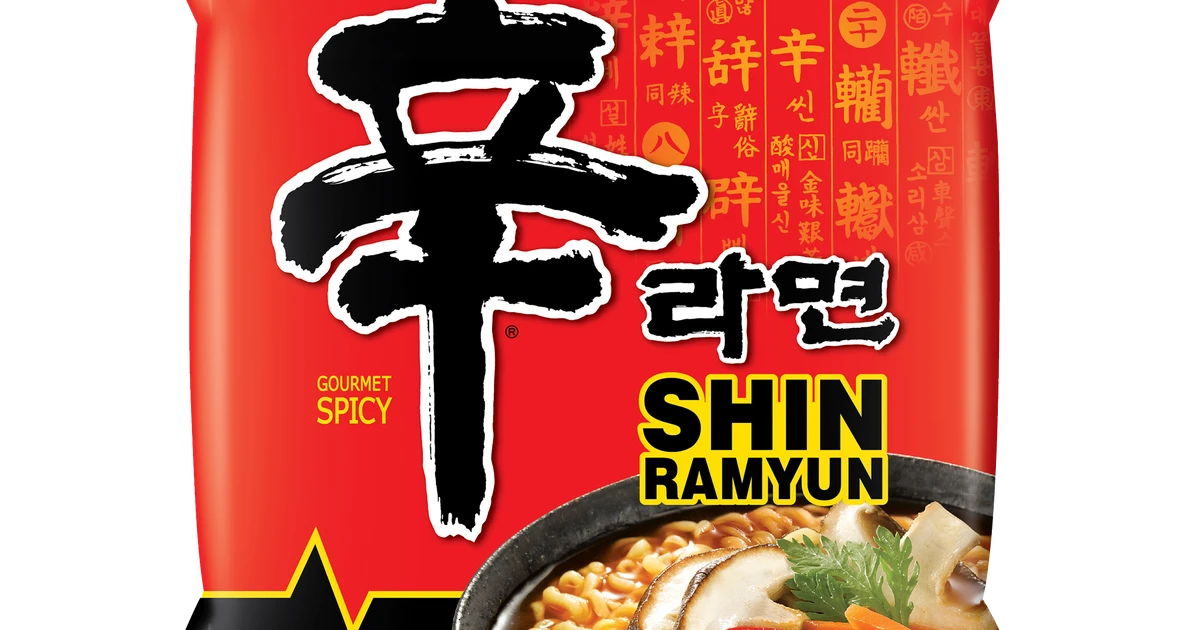
Shin Ramyun is one of the world’s best-selling instant noodles — and one of the most frequently asked-about in halal communities. The short answer: the packet on your supermarket shelf almost certainly is not halal certified, because it contains beef extract with no zabiha guarantee. A certified version exists, but it was made for a completely different market.
This guide explains exactly what the ingredient issue is, what the Nongshim halal version looks like, and how to tell the two apart on the shelf.
Quick verdict
| Version | Status | Why |
|---|---|---|
| Standard Korean-market packet | ⚠️ Mushbooh | Beef bone extract, no zabiha certification, no halal logo |
| Gulf export packet (ESMA / Arabic label) | ✅ Halal | ESMA-certified; distributed for GCC markets with visible halal logo |
| Any packet listing pork or alcohol | ❌ Haram | Impermissible ingredient |
Bottom line: the product name tells you nothing. Look for a halal logo and Arabic text on the front panel. No logo = Mushbooh. This applies even if the packet was purchased from a “Korean food” section — that aisle is almost never stocked with the Gulf export version.
The core problem: South Korea has no halal slaughter requirement
Shin Ramyun’s signature flavour comes from its beef bone broth seasoning packet. In the domestic Korean version — the one that reaches virtually every Korean grocery shop, Asian supermarket and online marketplace outside the Gulf — that beef broth is produced from cattle with no Islamic slaughter requirement.
South Korean law does not mandate halal slaughter. Nongshim’s domestic supply chain is not audited by any Islamic certification body. This means there is no mechanism to guarantee the beef extract in a standard Shin Ramyun packet comes from a zabiha source. Under mainstream Sunni Hanafi fiqh, undeclared animal extract from a non-certified supply chain defaults to Mushbooh.
This is not a labelling technicality. The beef broth is a core ingredient — it is what makes Shin Ramyun taste the way it does. You cannot simply ignore it.
The beef extract issue in detail
The ingredient list on a standard Shin Ramyun packet (in various markets) includes terms like:
- Beef extract or beef bone extract (牛骨エキス in Japanese markets, 쇠고기 추출물 in Korean)
- Beef broth powder or beef flavouring
None of these terms tells you anything about the slaughter method. In countries with large Muslim consumer bases — the UAE, Saudi Arabia, Malaysia, Indonesia — this would be a dealbreaker requiring certification. In the Korean domestic market, there is no such requirement, so it simply isn’t addressed.
The absence of a halal logo is therefore not a packaging oversight. It reflects a genuine supply chain reality: the product was not designed to be halal, and it is not.
The Nongshim halal-certified version
Nongshim has pursued halal certification for Shin Ramyun specifically to access Gulf markets. The certified version is:
- Approved by ESMA (Emirates Authority for Standardisation and Metrology), the UAE’s national standards body that oversees halal food certification for Gulf distribution
- Sold in GCC (Gulf Cooperation Council) countries — UAE, Saudi Arabia, Kuwait, Qatar, Bahrain, Oman
- Labelled with Arabic script on the front and back panels
- Marked with a visible halal certification logo on the front panel
This is a genuine, separately produced export product — not the same packet with a sticker added. Nongshim manufactures it to comply with Gulf import requirements and it is subject to ongoing halal audits for that market.
How to identify the halal version vs the standard version
The domestic Korean packet and the Gulf export packet share the same red-and-black visual identity. They are designed to look like the same product. Here is what to look for:
Signs you have the halal Gulf export version:
- Halal certification logo on the front panel (ESMA or a recognised Gulf authority mark)
- Arabic text on the label (front or back)
- Country of destination printed for a GCC market
- “Halal Certified” in English or Arabic on the packaging
Signs you have the standard domestic version:
- No halal logo anywhere on the packet
- Korean-only or Korean + English labelling, with no Arabic
- Purchased outside the Gulf region (Europe, North America, East/Southeast Asia, general Asian grocers)
If you cannot see a halal logo, treat the packet as uncertified regardless of where it was bought or what the product listing says.
Other Nongshim soups: Neoguri, Chapagetti and more
The same logic applies across the Nongshim range:
- Neoguri (Spicy Seafood Noodle) — contains seafood extract and flavouring; no halal certification on domestic units. Seafood itself is generally permissible under Hanafi fiqh, but undeclared flavour enhancers and the cross-contamination risk from a non-halal facility make the domestic version Mushbooh.
- Chapagetti (Black Bean Sauce) — contains meat extract; no halal certification on domestic units; Mushbooh.
- Kimchi Noodle, Doong Ji Kimchi — kimchi-based products can involve fermented ingredients; no halal certification on standard units.
Nongshim has not widely extended its Gulf halal certification programme to these products. Each product and each packet must be assessed individually. Do not assume Nongshim = halal based on Shin Ramyun’s Gulf certification alone.
How we reached this verdict
We checked the following Tier-1 sources before publishing:
- ESMA (Emirates Authority for Standardisation and Metrology): The UAE halal certification authority has approved Shin Ramyun for Gulf market distribution. ESMA certification is a recognised Tier-1 Gulf halal authority; it applies only to the export units distributed in GCC markets.
- Manufacturer / market structure: Nongshim produces domestic Korean units without any halal oversight; separately produces Gulf export units under halal audit. The two versions are not interchangeable and are not both available in the same markets.
- Sunni fatwa scholarship: Beef extract from cattle not Islamically slaughtered is treated as impermissible or doubtful (Mushbooh) under all four Sunni madhabs. This is the foundational reason the domestic packet cannot be considered halal.
Madhab note
The four Sunni madhabs are broadly aligned on the issues relevant to this product:
- Beef extract from non-zabiha cattle — impermissible across Hanafi, Maliki, Shafi’i and Hanbali schools. This is not a minor difference of opinion; it is a settled ruling.
- Undeclared flavour enhancers (E621/MSG, E627, E631) — where the source is not declared, the Hanafi/Maliki/Shafi’i mainstream defaults to Mushbooh pending manufacturer confirmation.
- Halal certification as a practical proxy — all four schools accept certification by a recognised Islamic authority as a valid basis for permissibility in modern supply chains.
For a binding ruling on a specific packet, consult a qualified scholar in your tradition.
Summary
| Question | Answer |
|---|---|
| Is Shin Ramyun halal? | Standard domestic version: Mushbooh (not certified). Gulf export version: Halal (ESMA-certified) |
| What is the main concern? | Beef bone extract with no zabiha guarantee in the domestic version |
| Does a halal Shin Ramyun exist? | Yes — Nongshim produces a certified version for Gulf/GCC markets |
| How do I identify the halal version? | Halal logo + Arabic text on the front panel |
| Are other Nongshim products halal? | Neoguri, Chapagetti and most domestic Nongshim lines are not halal certified |
Look up any E-code from the seasoning packet in the E-codes database.
To scan a full ingredient list for halal status in seconds, use the ingredient scanner.
Ingredients change. Be first to know.
Brands reformulate without warning. We track every E-code update and halal certification — one short weekly email.
Related Articles
 Shopping Guides
 Halal Snacks in Indonesia: Which Crisps and Chips Are MUI-Certified? (2026)
Most Indonesian domestic snack brands — Chitato, Piattos, Cheetos Indonesia — carry MUI certification. The risk is in imported snacks without a halal label. Here is the full guide.
 Shopping Guides
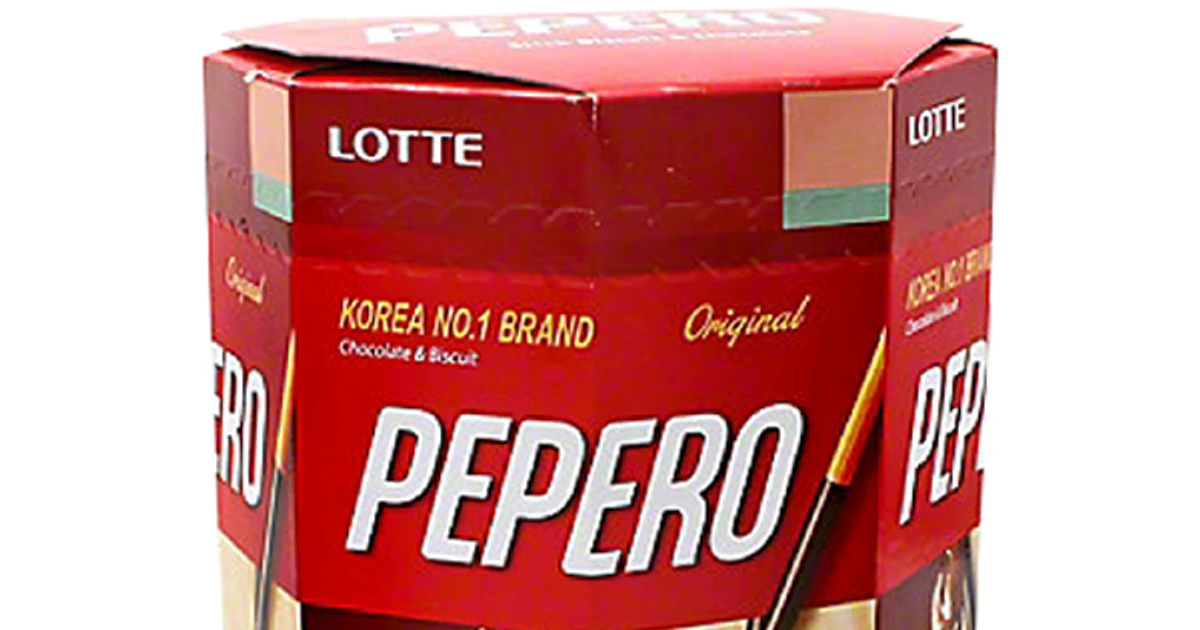
 Is Pepero Halal? Lotte's Chocolate Sticks — The Verdict (2026)
Standard Pepero sold in Korean grocery shops is not halal certified. Lotte produces halal-certified Pepero for some export markets. Check for a halal logo before buying.
 Shopping Guides
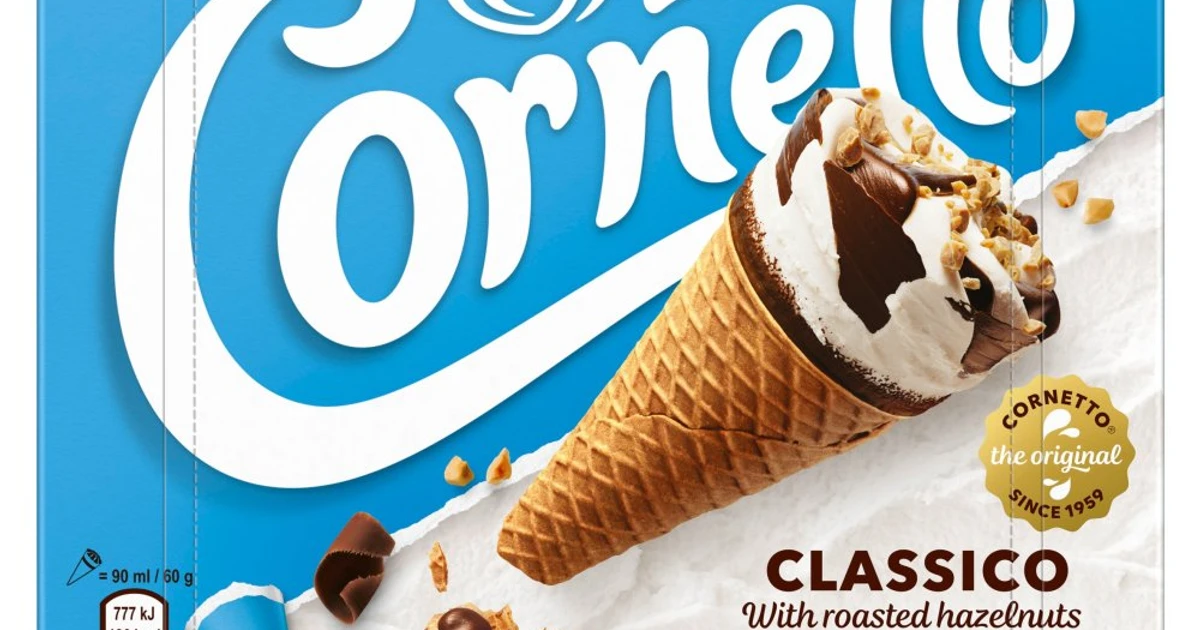
 Is Cornetto Halal? Unilever Ice Cream — Verdict by Market (2026)
Cornetto's halal status depends on the market. UK/EU standard Cornetto is not halal certified and may contain gelatine (E441). Halal-certified Cornetto is sold in Gulf, Malaysia, and Indonesia. Check the packaging.