
Halal Food Guides & Education
Expert guides to help you navigate halal food choices with confidence. Learn about E-numbers, ingredients, and how to verify halal status.
Page 3 of 28
Halal Food in Detroit & Dearborn: Restaurants and Grocers (2026)
Find halal restaurants, grocers and meat markets in Detroit, Dearborn and Hamtramck, with clear distinctions between certified and self-declared halal venues.
Best Halal Probiotics & Gut Health Brands USA 2026
We checked six US probiotic brands directly. Most disclose nothing about capsule sourcing. One brand's US-facing site makes a certification claim that doesn't match how this site has documented it elsewhere.
Best Halal Catering & Event Food Delivery Brands USA 2026
We checked four US halal catering and event food delivery options directly. Two are genuinely certified suppliers; two are marketplaces that list caterers without certifying them itself.
Best Halal Restaurant Chains USA 2026
We checked four US restaurant chains with multi-city presence. The Halal Guys names three certifiers directly — but a widely repeated certification claim about Dave's Hot Chicken doesn't hold up.
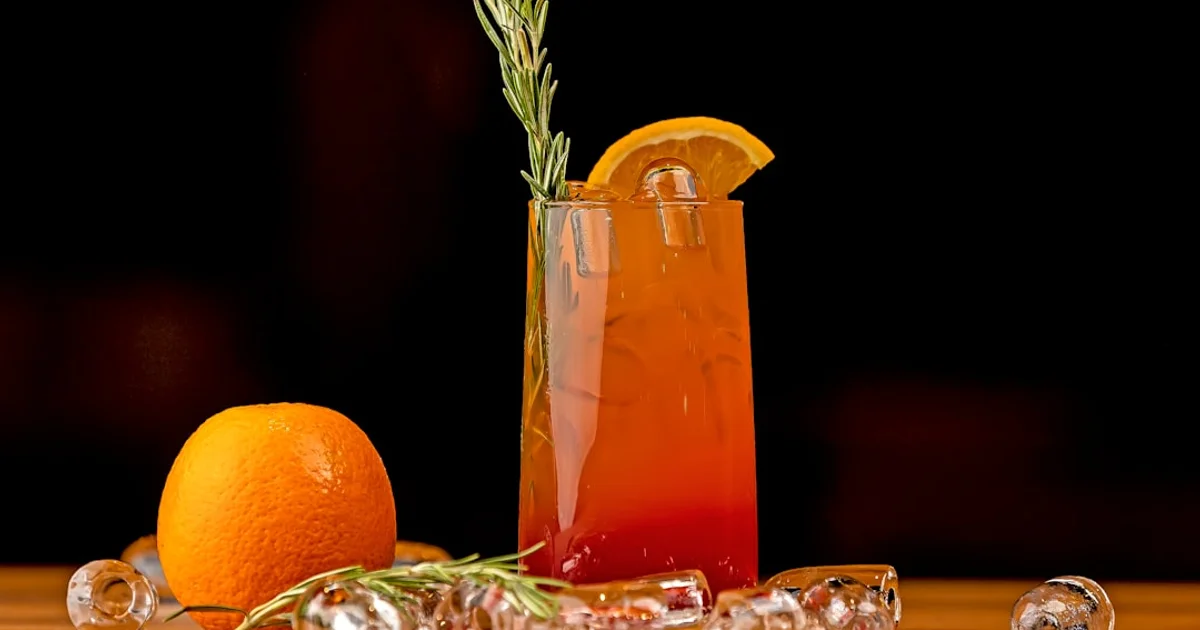
Best Halal Non-Alcoholic Drinks & Mocktails USA 2026
We checked five US non-alcoholic spirit and mocktail brands directly. None carry halal certification — Lyre's own FAQ says so in plain language. Here's what we found.
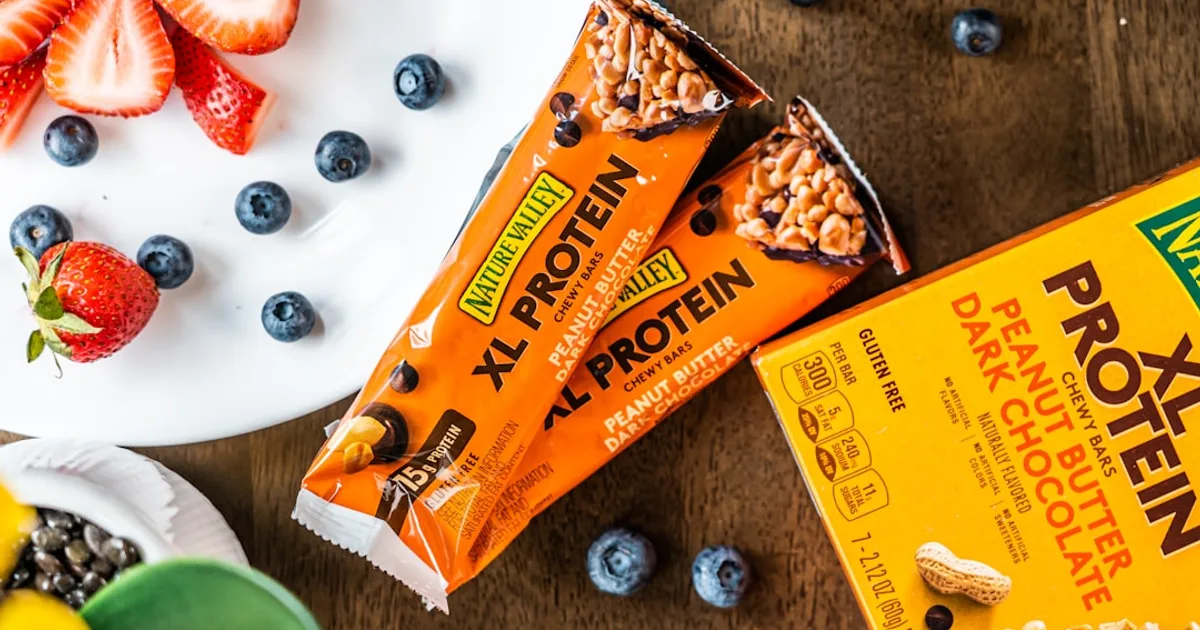
Are Protein Ice Bars Halal? California Ice, Orka Bar, Yasso Checked (2026)
Protein ice bars are mostly dairy and whey — no gelatine or E471 in the brands checked. Orka Bar's vanilla extract is the one flag. None of the major brands, including Yasso, hold halal certification.
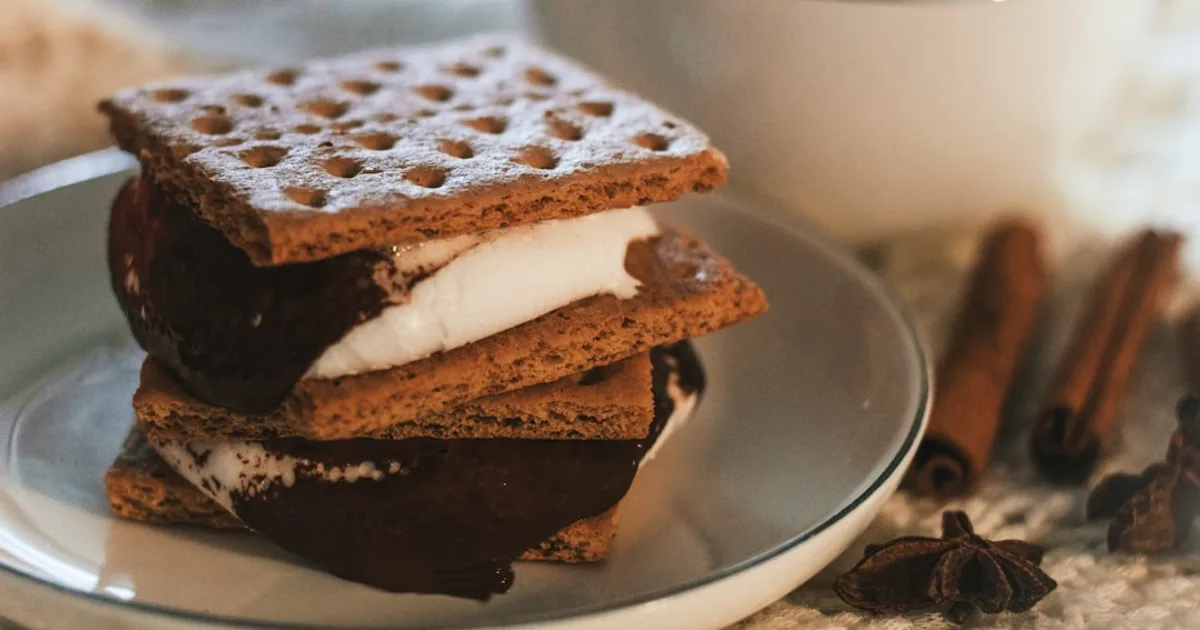
Are Graham Crackers Halal? Honey Maid Ingredients Checked (2026)
Honey Maid Graham Crackers contain no E471, no gelatine, and plant-based oil — a genuinely clean list. No halal certification exists, so this stays Mushbooh, not confirmed halal.
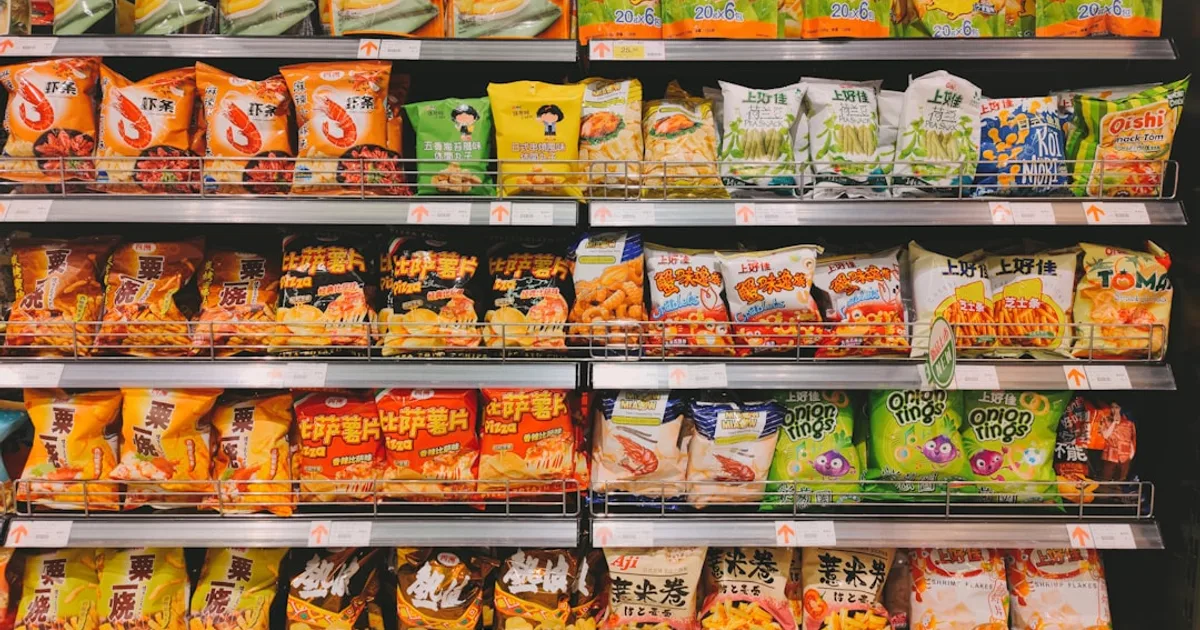
Halal Snacks in Singapore: Calbee, Munchy's and the Country-of-Origin Trap (2026)
Calbee Singapore stock can be halal or not depending on which factory made it — Japan-made Calbee isn't halal-safe, but the Indonesian and Thai lines may carry local certification. Munchy's and Twisties are JAKIM-certified across the board.
Halal Chocolate & Dairy in Bangladesh: What BSTI's Halal Lab Actually Covers (2026)
BSTI opened a National Halal Laboratory in July 2025 and has certified Pran, Cocola, New Zealand Dairy Products and Nestlé Bangladesh — but Igloo, Aarong Dairy and several chocolate brands remain unverified. Here's the real coverage.
Halal Dairy & Ice Cream in Egypt: What Changed in 2025 (2026 Guide)
Egypt withdrew halal certification requirements for imported dairy in 2025 after a corruption scandal — making dairy the least-regulated halal food category in the country. Juhayna is the only major dairy brand on Egypt's own registry.
Halal Snacks in the Philippines: Jack 'n Jill, Oishi, Rebisco Checked (2026)
URC's facilities are IDCP-certified but its flagship Piattos and Nova chips aren't confirmed covered. Oishi tags specific SKUs halal on its own site. Pringles and Doritos PH carry no local certification.
Halal Protein & Supplements in Austria: Brand Guide (2026)
ESN certifies 30 products but names no certifier, MyProtein's UK halal range doesn't reach myprotein.at, and Body Attack's halal claim has no proof behind it. What's actually verifiable for Austrian gym-goers.
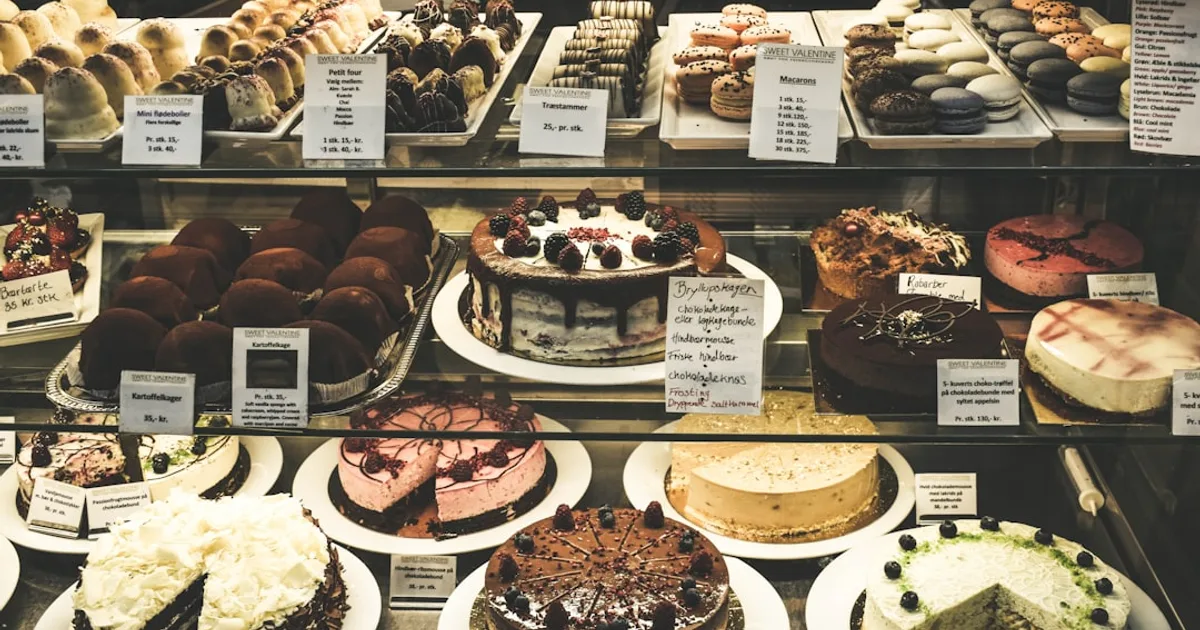
Halal Bakery & Cakes in the UAE: Brand-by-Brand Guide (2026)
Bahlsen is HQC-certified for UAE-stocked lines, Mr Kipling is Haram (carmine), and McVitie's Jaffa Cakes stay Mushbooh — even Dubai's own Modern Bakery has no public halal certificate. Full brand audit.
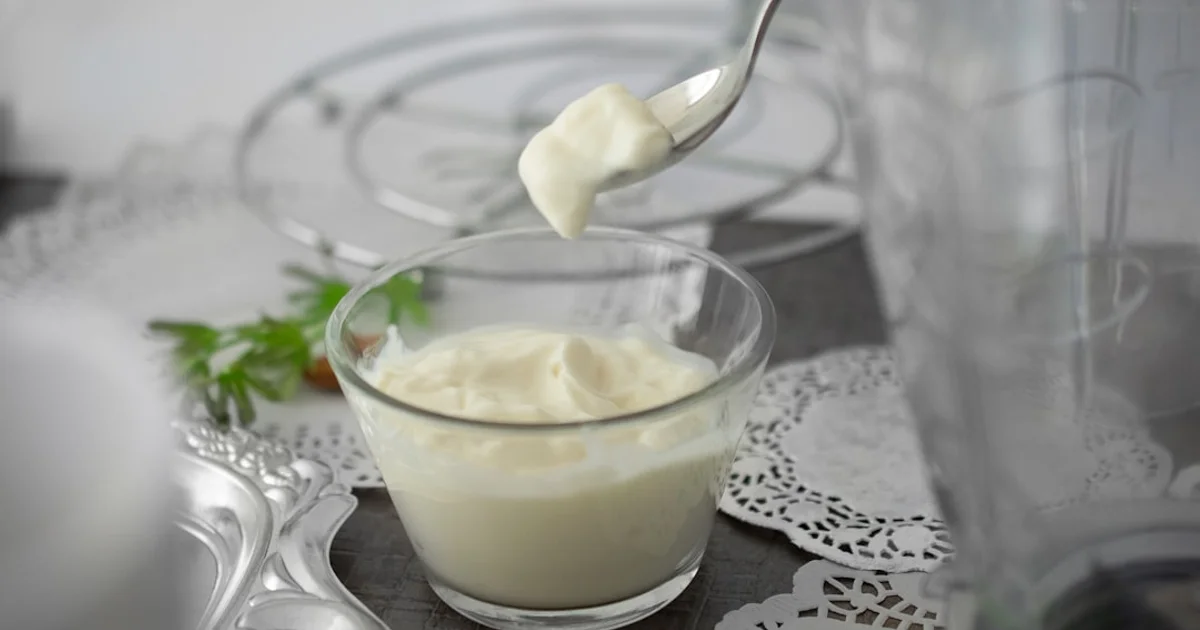
Best Halal Yogurt Brands USA 2026 — Verified Picks
We checked 8 US yogurt brands directly. Chobani says no on its own account, and Mountain High and Stonyfield's own pages contradict viral halal claims — none is halal certified.
Best Halal Energy & Sports Drinks USA 2026 — What We Found
We checked 7 major US energy and sports drink brands directly. Red Bull and Monster carry Mushbooh brand verdicts on this site; the rest have no halal statement at all.
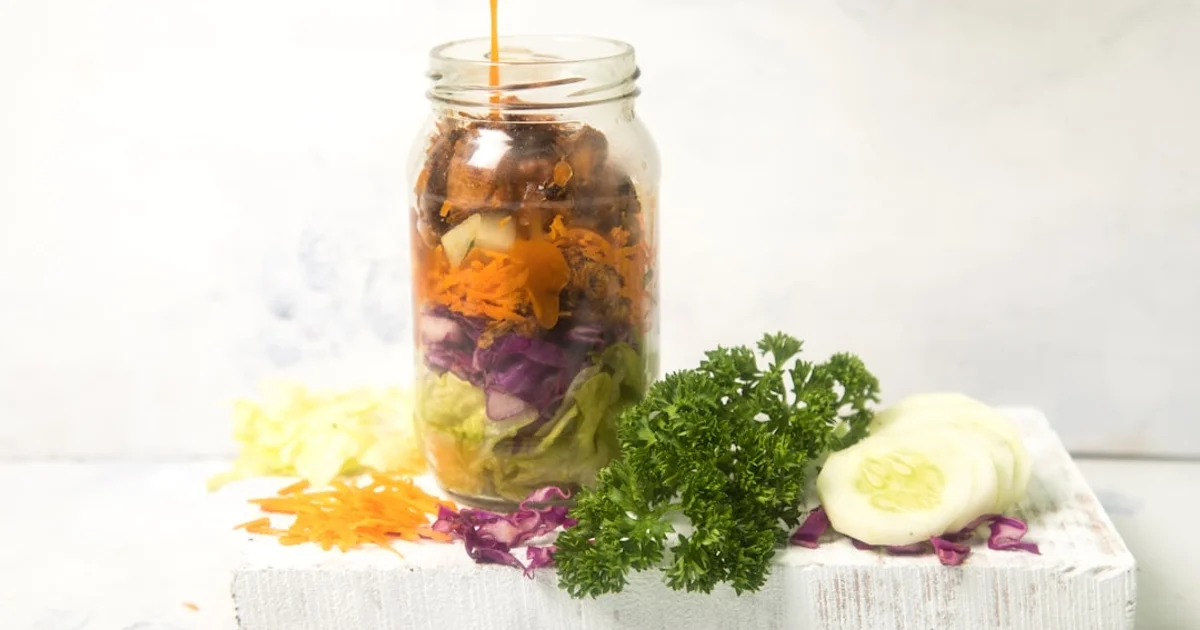
Best Halal Salad Dressings USA 2026 — Verified Picks
We checked six major US salad dressing brands directly. Not one carries a real halal certification — one Muslim-owned condiment brand does, and it isn't a bottled ranch.
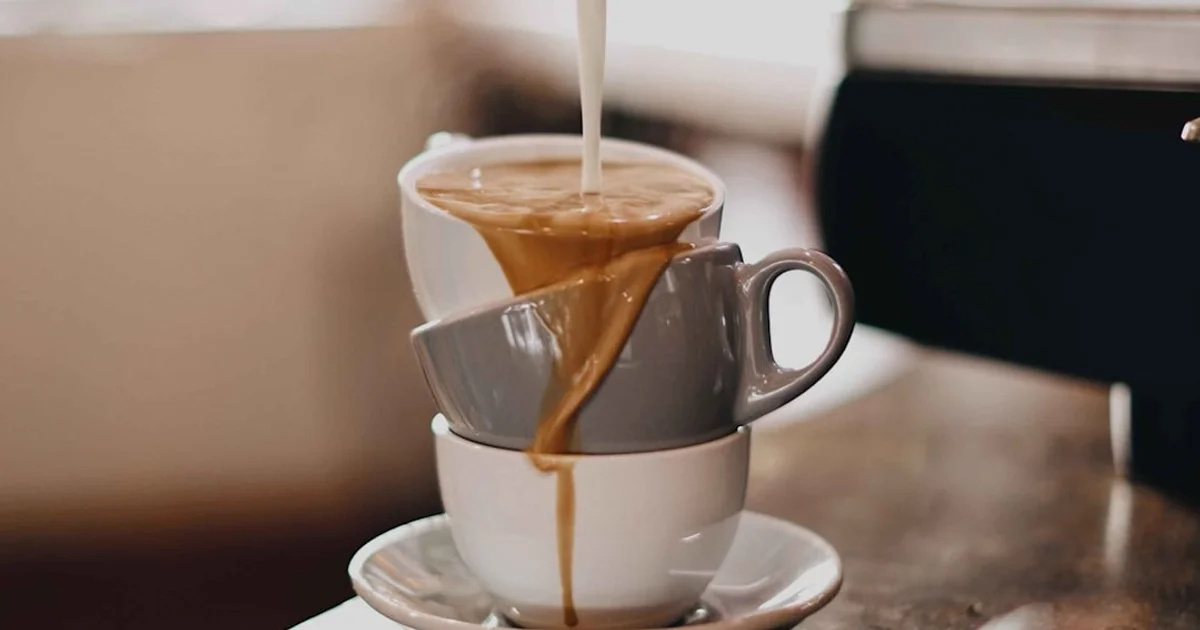
Best Halal Coffee Creamers & Flavor Syrups USA 2026
Monin and Torani both name IFANCA as their halal certifier — but Coffee mate's US formula doesn't qualify, per Nestlé's own consumer response. We checked six brands directly.
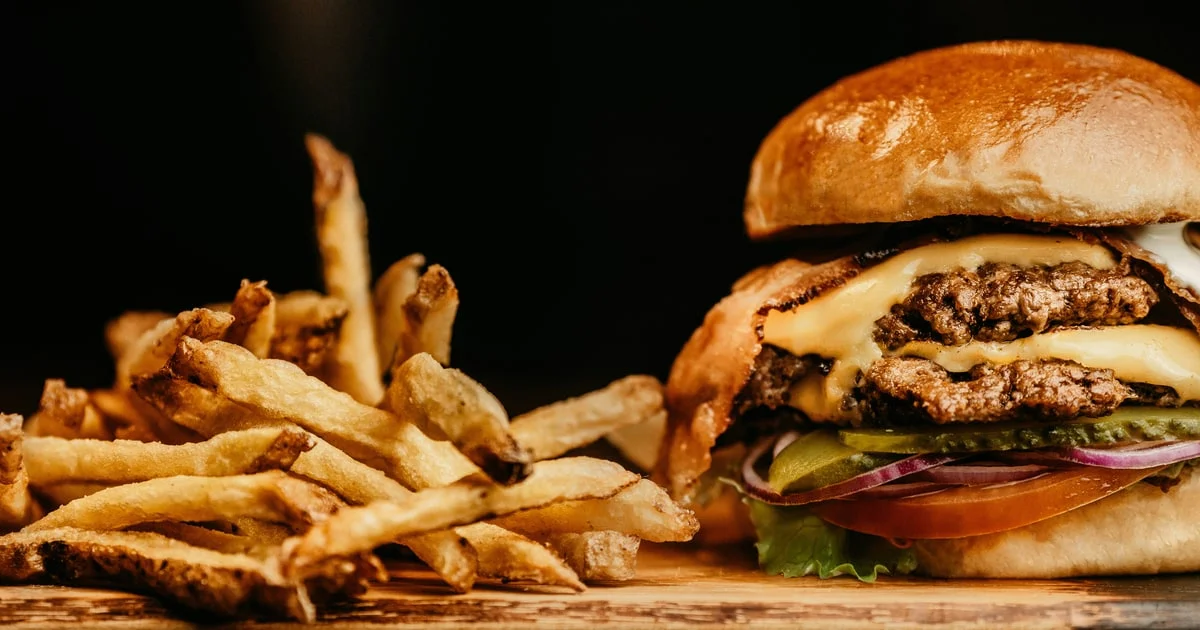
Best Halal Burgers in Chicago 2026
Ten halal burger spots in Chicago and its suburbs, sorted by proof: HMS registry, certificate on the wall, owner's word, or halal on request only.