
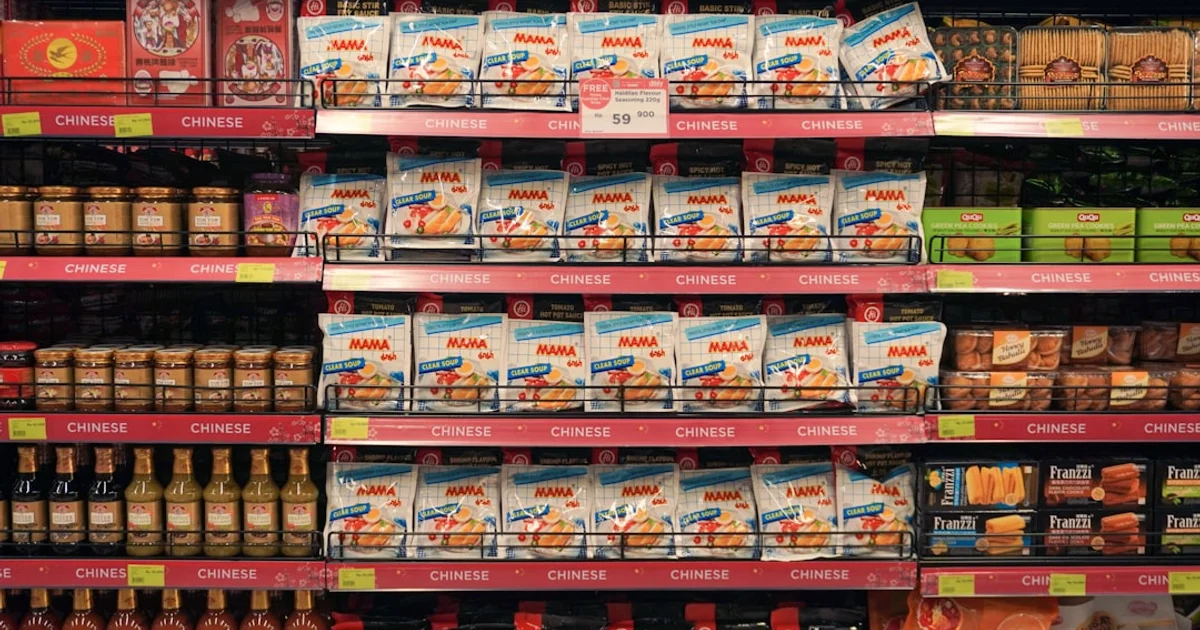
Albert Heijn has a halal section. It does not have a halal range — and the difference explains almost every question readers send about AH. The section is a curated shelf of other companies’ products; AH’s own blue-and-white label is not on it, AH names no certifier for it, and AH does not define what it means by halal anywhere on the page. That is not a criticism, just the fact you need before you trust a shelf label.
This guide walks AH aisle by aisle: the halal section, own-brand, and the Dutch logos that turn a claim into a certificate.
The Halal Section: Partner Brands, No AH Certifier
AH’s online halal filter (under dieetwensen) and its in-store halal shelf are built from suppliers who market to Dutch-Turkish, Dutch-Moroccan and Dutch-Surinamese customers: Wahid, Marhaba, Silifke, Koc, Ikbal, Fulya, Omar, Firat, Kadir’s, Warung and Yayla among them. What’s there:
- Fresh meat and poultry — chicken fillets, lamb, beef burgers, mince, kebabs, wings
- Deli meats — sliced chicken, halal salami and sausages
- Ready meals and snacks — lasagne, pasta dishes, bami, roti rolls, hot dogs, lahmacun, bapao, worstenbroodjes, meatballs
- Dairy — white cheese, yoghurt drinks
- Instant noodles and a small confectionery selection
The certification is each supplier’s own. Wahid and Yayla carry Dutch or home-country halal marks on their packs; the logo on the product is what counts, not the shelf edge. AH’s halal page names no certifying body and gives no definition of halal, so treat the section as a convenience grouping and read the pack.
Own-Brand AH: Outside the Section
AH’s own-brand products are not in the halal section and are not halal-certified. That does not make them haram — it makes them a label-reading exercise, using the rule from our Netherlands identification guide:
| AH own-brand category | What to check | Typical reading |
|---|---|---|
| Fresh meat, vleeswaren | Not halal-slaughtered | Haram — buy from the halal section |
| Bread, ontbijtkoek, cakes | E471/E472 source; alcohol in cakes | Vegetable-stated emulsifier → fine; undisclosed → Mushbooh |
| Stroopwafels, karamelwafels | E471 in the filling, butter/fat source | see the Dutch bakery guide |
| Chocolate, karamel zeezout tablets | Emulsifier line; flavourings | Soya lecithin only → cleared; fillings → read |
| Sweets — karamel, drop, winegums | Gelatine; E120 | Gelatine with no mark → out; drop often gelatine-free |
| Dairy, vla, yoghurt | Gelatine in desserts; E471 in flavoured milk | see the Dutch dairy guide |
On AH caramel specifically — the searches that led to this guide: caramel is sugar and cream, with no halal issue of its own. The concern is what it is in. AH’s caramel-sea-salt chocolate tablets need only their emulsifier line read; AH caramel toffees and caramel-filled sweets may list gelatine; AH caramel vla and desserts may list E471 or gelatine as a stabiliser. Read each product, not the word caramel.
The Logos That Matter
Three Dutch certifiers put marks on packs sold at AH:
- HQC — Halal Quality Control — headquartered in the Netherlands, certifies confectionery, biscuits and meat sites across Europe (Bahlsen’s Pick Up! is an HQC-certified example on AH’s biscuit shelf — see the Bahlsen brand page).
- Halal Correct (Leiden) — common on meat and snacks.
- HFFIA — Halal Feed and Food Inspection Authority (The Hague) — meat and ingredients.
Turkish partner brands may carry a Turkish mark instead. A pack in the halal section with no logo is a supplier’s claim — usually a reasonable one for a Turkish or Moroccan meat brand, but a claim.
Where AH Fits Against the Toko
AH’s halal section is convenient and growing, but the densest halal selection in any Dutch city is still the Turkish, Moroccan and Surinamese supermarket — the toko — where the entire meat counter is halal and the sweet aisle is Ülker and certified Turkish gummies. For chocolate, our Dutch chocolate guide explains why the certified bars are imports; for snacks delivered to your door, see best halal snacks online in the Netherlands.
Summary
| Question | Answer |
|---|---|
| Is AH’s halal section certified by AH? | No — it is partner brands; AH names no certifier |
| Is AH own-brand halal? | Not certified; halal by composition where no meat, gelatine, alcohol or undisclosed E471 |
| AH caramel products? | Caramel itself fine; read the sweet or dessert it’s in for gelatine and E471 |
| Logos to trust | HQC, Halal Correct, HFFIA on the pack |
| Best for meat | The halal section’s partner brands, or a toko |
Check any E-number from a Dutch label in the E-codes database, or scan the ingrediënten line with the ingredient scanner.
How we reached this verdict
Sources checked September 2026:
- Albert Heijn: ah.nl halal shop page (partner brands, categories; no certifier named; no definition of halal); ah.nl halal vleeswaren category page.
- Dutch certifiers: HQC (hqc.eu), Halal Correct, HFFIA — as documented in our Netherlands identification guide; HalalTime’s overview of halal food in Dutch supermarkets.
- Own-brand reading rules: our Dutch bakery, dairy and chocolate guides.
- Fatwa references: IslamQA (Hanafi) and Darul Iftaa Birmingham on undisclosed emulsifiers and on non-halal-slaughtered meat.
Madhab note
- Meat not slaughtered by a Muslim, Jew or Christian with the name of God — not permissible across all four madhabs; AH own-brand meat falls here.
- Undisclosed E471 / E472 — Mushbooh under the Hanafi/Maliki/Shafi’i mainstream; certification required under the HMC-strict / Hanbali-leaning view.
- Gelatine in sweets and desserts — haram if porcine; bovine needs halal slaughter.
- A supplier’s halal claim without a certifier — acceptable to many scholars from a Muslim-owned supplier; the strict view asks for the certificate.
For binding rulings, consult a competent scholar in your tradition.
Ingredients change. Be first to know.
Brands reformulate without warning. We track every E-code update and halal certification — one short weekly email.
Related Articles
 Shopping Guides
 Halal Shopping at Coles: Aisle-by-Aisle Australia Guide (2026)
Coles stocks halal-certified meat from accredited abattoirs but own-brand packaged goods require E-code checking — here's what to look for in each aisle.
 Shopping Guides
 Halal Shopping at Carrefour: France, UAE & Turkey Guide (2026)
Carrefour's halal status varies by country — UAE stores stock certified halal products throughout, while French stores require label-by-label checking.
 Shopping Guides
 Halal Food in Malaysia: Beyond JAKIM — Full Supermarket & Brand Guide
JAKIM certification is Malaysia's gold standard but not every product on shelf is JAKIM-certified — here's how to shop confidently in Mydin, Giant, and Aeon.