
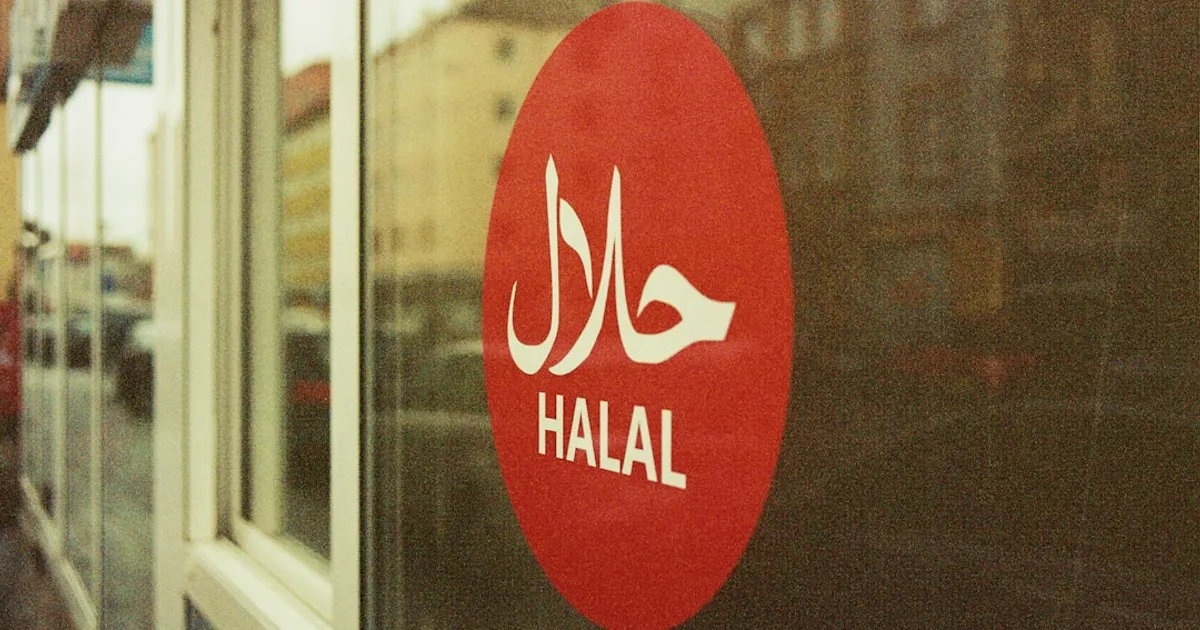
A ‘halal’ sign on a UK restaurant window means nothing without certification. This is not an accusation — it is an industry reality. The UK has no legal definition of halal, no mandatory certification regime for restaurants, and no enforcement mechanism that distinguishes between a restaurant that has been independently audited and one that bought a sign. The gap between those two situations is precisely what HMC and HFA certification addresses.
A 2019 investigation by the Food Standards Agency found that a significant proportion of restaurants marketing themselves as halal could not substantiate their claims — some had pork products on site, some used unapproved suppliers, some had shared fryers between halal and non-halal products. The problem has not gone away. The only reliable signal a consumer has is the presence of the certifying body’s logo, not a hand-written “halal” notice.
This guide explains how UK restaurants obtain genuine halal certification — what each body requires, what the inspection process involves, and how to navigate the HMC vs HFA decision.
At a Glance
Do UK restaurants need halal certification by law?
Usually no, but uncertified halal claims are harder to defend and easier to distrust.
Which body is stricter for restaurants?
HMC
Can a certified halal restaurant serve alcohol?
HMC: no. HFA: yes.
What matters most during audit?
Approved suppliers, no prohibited products, and clean separation controls.
How long does approval usually take?
Around 4 to 10 weeks once suppliers and documents are in order.
| Question | Short answer |
|---|---|
| Do UK restaurants need halal certification by law? | Usually no, but uncertified halal claims are harder to defend and easier to distrust |
| Which body is stricter for restaurants? | HMC |
| Can a certified halal restaurant serve alcohol? | HMC: no. HFA: yes |
| What matters most during audit? | Approved suppliers, no prohibited products, and clean separation controls |
| How long does approval usually take? | Around 4 to 10 weeks once suppliers and documents are in order |
Fast takeaway: if your restaurant is targeting strictly observant UK Muslim diners, the market usually expects HMC. If your venue also serves alcohol or needs a more flexible operating model, HFA is usually the more realistic route.
Do All UK Halal Restaurants Have Certification?
No. A substantial number of UK restaurants display halal signage, market themselves as halal on delivery platforms, and serve customers who assume their food is verified — without holding any third-party certification.
The practical consequences of this are well-documented:
- Restaurants claiming halal status while serving pork sausages for breakfast
- Shared fryers used for both halal chicken and non-halal products
- Meat sourced from supermarkets or cash-and-carry wholesalers rather than certified halal abattoirs
- Verbal assurances from staff with no documentation to support them
The consumer complaint pattern is consistent: a customer discovers the restaurant’s halal claim does not hold up to basic scrutiny — the menu includes items with pork derivatives, or the meat supplier turns out to be uncertified.
The takeaway for restaurant owners: if your business is genuinely committed to halal practice, certification is the only way to make that claim credible to informed consumers. The logo matters more than the sign.
What HMC Requires
HMC (Halal Monitoring Committee) operates the stricter of the two main UK restaurant certification schemes. Their standard reflects the position of stricter Islamic scholarly opinion and is trusted by a significant portion of UK Muslim consumers, particularly those who would not eat at an HFA-only certified establishment.
Meat sourcing All meat and poultry served at an HMC-certified restaurant must come from HMC-approved suppliers. HMC approves abattoirs that perform hand-slaughter (zabiha) without pre-stunning for poultry. For beef, HMC approves abattoirs that use reversible stunning only in defined circumstances, with verification. A restaurant cannot use supermarket-bought “halal” meat — it must come from a named HMC-approved abattoir.
No pork products on the premises HMC-certified restaurants may not have any pork or pork derivatives on the premises at all — not in a separate menu for non-Muslim customers, not in a staff room fridge. This is an absolute requirement.
No alcohol on the premises HMC certification requires that no alcohol is served on the certified premises. A restaurant cannot hold an HMC certificate and an alcohol premises licence simultaneously. This is one of the key differences between HMC and HFA.
No shared fryers or contamination risk Shared cooking equipment used for both halal and non-halal products is not permitted under HMC. Fryers, grills, and preparation surfaces must be dedicated to halal production. Cross-contamination controls must be documented.
Unannounced inspections HMC conducts both scheduled annual inspections and unannounced visits. The unannounced visit is a core part of the scheme — it is the mechanism that gives HMC certification its credibility with consumers who know how the scheme works.
For a live example of what full HMC certification looks like for an independent restaurant — meat sourcing, no alcohol, the registry listing a customer can check — see Mak Halal in our Wolverhampton halal food guide.
What HFA Requires
HFA (Halal Food Authority) operates a certification scheme that is more widely accepted by supermarket buyers and is less restrictive on some practices.
Meat sourcing All meat must come from HFA-approved suppliers. HFA accepts mechanical slaughter with pre-stunning under defined conditions, where the animal does not die from the stun. This is the primary theological point of difference between HMC and HFA.
No pork As with HMC, pork and pork derivatives are not permitted in HFA-certified restaurant products.
Alcohol policy HFA does not prohibit alcohol service at certified premises. An HFA-certified restaurant can hold a full alcohol licence and serve wine, beer, or spirits. The halal certification applies to the food served, not to the beverage offering. This makes HFA accessible to a wider range of UK restaurant operators, including those running mixed-use venues.
Annual audit HFA conducts an annual inspection. While HFA can conduct unannounced checks, this is less systematically embedded in their scheme than in HMC’s.
HMC vs HFA for Restaurants: Which to Choose
Slaughter method (poultry)
HMC: Hand-slaughter only
HFA: Mechanical/stunned accepted
Alcohol allowed on premises
HMC: No
HFA: Yes
Pork permitted
HMC: No
HFA: No
Unannounced inspections
HMC: Yes, systematic
HFA: Possible but less systematic
Consumer trust (stricter observants)
HMC: Higher
HFA: Moderate
Supermarket buyer acceptance
HMC: Good
HFA: Very good
Pricing position
HMC: Quote-based; smaller single-site operators often face higher fees than HFA, depending on audit intensity and supplier setup
HFA: Quote-based; often lighter for single-site restaurants, but confirm directly with HFA
Halal delivery platform listing
HMC: Accepted
HFA: Accepted
| Factor | HMC | HFA |
|---|---|---|
| Slaughter method (poultry) | Hand-slaughter only | Mechanical/stunned accepted |
| Alcohol allowed on premises | No | Yes |
| Pork permitted | No | No |
| Unannounced inspections | Yes, systematic | Possible but less systematic |
| Consumer trust (stricter observants) | Higher | Moderate |
| Supermarket buyer acceptance | Good | Very good |
| Pricing position | Quote-based; smaller single-site operators often face higher fees than HFA, depending on audit intensity and supplier setup | Quote-based; often lighter for single-site restaurants, but confirm directly with HFA |
| Halal delivery platform listing | Accepted | Accepted |
Choose HMC if: your target customers are conservative UK Muslims for whom hand-slaughter and no alcohol are non-negotiable. The HMC logo communicates this without requiring explanation. Many UK Muslims will only eat at HMC-certified restaurants.
Choose HFA if: your venue also serves alcohol, or your target market is broader — including non-Muslim customers — and you need the flexibility that HFA’s standard allows. HFA is also the better choice if you are planning to supply a supermarket halal range, as HFA’s documentation is more aligned to the supermarket buying process.
The Step-by-Step Certification Process

-
Choose your certifying body — Make the HMC vs HFA decision based on your business model, customer base, and the alcohol question. This decision is effectively irreversible until you change bodies, so think through it carefully before applying.
-
Audit your current suppliers — Check every meat supplier against the body’s approved supplier list. If you are currently buying chicken from a cash-and-carry, you will need to switch. Identify all suppliers that need to change and get quotes from approved alternatives. This is often the step that takes longest.
-
Remove non-permissible products — For HMC: remove all alcohol and pork from the premises. For HFA: remove pork. Review your menu for any dishes containing gelatine, L-cysteine (E920), or other potential haram ingredients in non-meat components (sauces, desserts, bread).
-
Submit the application and documentation — Complete the certifying body’s application form. Attach: a current menu; a list of all meat and poultry suppliers with their halal certificates; a plan of the kitchen showing cooking equipment and storage areas; your cleaning procedures; and details of any shared cooking equipment.
-
Inspection visit — An auditor visits your premises, typically for 2 to 4 hours. They will inspect the kitchen, storage, freezers (checking for any unapproved products), supplier delivery records, and staff knowledge. They will check that your actual suppliers match the documentation you submitted.
-
Receive certification and logo rights — Following a successful inspection (or after resolving any corrective actions), the certificate is issued. You receive the right to display the certifying body’s logo on your premises, menus, website, and delivery platform profiles. The certificate specifies the premises and the scope of certification.
-
Annual renewal and ongoing compliance — Certification is renewable annually. You must notify the certifying body of any change to suppliers, menu, or ownership before making the change — not after. Failure to do so is grounds for suspension.
How We Reached This Verdict
This guide draws on HMC and HFA published certification standards; FSA food labelling guidance; the FSA’s own investigation into halal and kosher food claims (2017–2019 research programme); discussions with UK restaurant operators who have completed certification with both bodies; and consumer reporting on halal restaurant standards in the UK. Pricing should always be confirmed directly with HMC and HFA, as fees are assessed individually by site, scope, and audit needs.
Common Questions
Can I say my restaurant is halal without certification?
Yes, in the UK you can usually make that claim without first getting third-party certification. The problem is not basic legality alone. The real issue is that an uncertified halal claim is much harder to verify, defend, and trust if a customer, regulator, or delivery platform asks questions.
What happens if HMC finds a violation during an inspection?
Minor documentary issues usually lead to corrective actions with a deadline. Serious breaches, such as using an unapproved meat supplier, keeping pork on site, or serving alcohol while claiming HMC compliance, can lead to suspension or loss of certification.
Is a halal restaurant allowed to serve alcohol?
That depends on the certifier. HMC-certified restaurants cannot serve alcohol on the premises. HFA-certified restaurants can. This is one of the most commercially important differences between the two schemes.
How long does restaurant certification take?
In most cases, 4 to 10 weeks is a realistic planning range. The biggest delay is usually not the audit itself, but switching suppliers, cleaning up documentation, and removing non-compliant menu items or ingredients.
Next Steps
- How to get halal certification — the full business guide
- Halal certification cost breakdown
- HMC vs HFA — which UK body to choose
- Halal certification hub — all guides
Serving food and want to check your ingredients first? Use the E-codes database to look up any additive in your menu — sauces, desserts, and pre-mixed seasonings are where hidden haram ingredients most often appear. Or scan an ingredient label directly.
Halal Certification Hub
Need the bigger picture, not just this one article?
Browse the full halal certification hub for step-by-step guidance on costs, certification bodies, logos, audits, labelling, and international trade requirements.
Visit the certification hubIngredients change. Be first to know.
Brands reformulate without warning. We track every E-code update and halal certification — one short weekly email.
Partner with HalalCodeCheck
Reach halal-conscious buyers and food businesses at the moment they decide
Our audience uses HalalCodeCheck to verify ingredients, compare certification bodies, and choose products with confidence. That means you can reach both high-intent shoppers and serious food-business decision-makers across the UK, US, Canada, Australia, and Europe.
- Featured product & brand placements
- Certification guide sponsorships & category features
- Search, tool, and directory visibility
Sponsored placements and partnerships by arrangement
Related Articles
 Halal Certification
 How to Get Halal Certification: Complete Guide for Food Businesses (UK, USA & Australia 2026)
Step-by-step halal certification process for food manufacturers, restaurants, and importers in the UK, USA, and Australia. Certifying bodies, costs, and audit requirements explained.
 Halal Certification
 Halal Certification Cost: What to Budget in the UK, USA & Australia (2026)
Halal certification costs vary widely by market, business size, and certifying body. Budget breakdown for UK, US, and Australian businesses, including what usually changes the quote.
 Halal Certification
 Halal Food Labelling Law: UK, EU, US & Export Market Rules Compared (2026)
Halal is not a uniformly protected legal term across food markets. This guide compares UK, EU, US, and key export-market rules, what businesses must disclose, and what certification adds legally.