
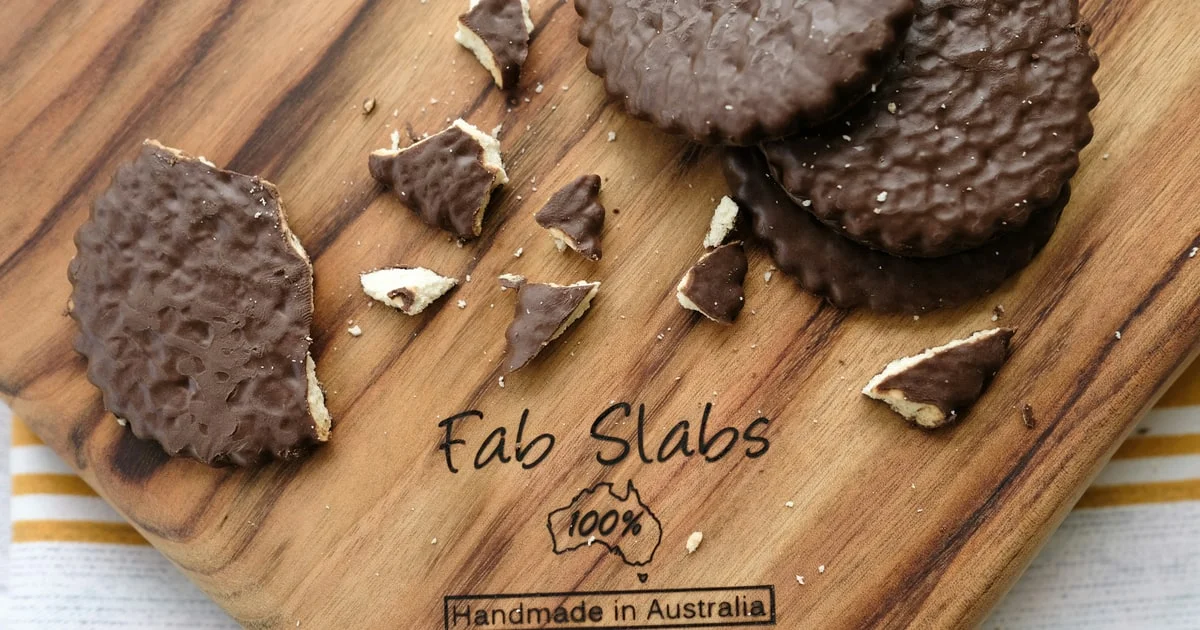
Spanish bakery has one fact at its centre that most guides tiptoe around, so we will put it first.
The traditional Spanish Christmas sweet is made with pork lard, and the name says so. Manteca means lard. A mantecado is a lard sweet. In Estepa, the Andalusian town most associated with them, the lard traditionally comes from Ibérico pigs.
That is not a hidden additive or an ambiguous E-number. It is the defining ingredient, stated by Spain’s own official food trade body.
But Certified Versions Genuinely Exist
Here is what makes Spain more interesting than a simple warning.
Several Andalusian makers reformulated the recipe with grasa vegetal, vegetable fat, and took those lines through halal certification. This is a real product category sold into North African markets.
Documented examples:
- Industrias Confiteras Antequeranas, which makes La Flor de Antequera, produces mantecados with vegetable fat certified by the Instituto Halal, and exports to Morocco, Algeria and Mauritania. Its local council has publicly described the certification.
- Mantecados Enrique Moreno of Estepa states on its own site that its mantecados and polvorones carry halal certification managed through the Instituto Halal.
- Mantecados Gamito Hermanos of Seville appears in the Spanish halal company directory under polvorones, with an Instituto Halal certificate number.
So the answer to “are mantecados halal” is genuinely: it depends which mantecado. The traditional one is a lard product. The certified one is a deliberate reformulation, and it says grasa vegetal on the pack.
The Certification Landscape
The main Spanish certifier is the Instituto Halal de Junta Islámica, based in Córdoba. Its certificate numbers carry an IH- prefix, which makes them checkable.
One governance point worth knowing, because it causes confusion. The Comisión Islámica de España registered a “Halal Spain” mark, but states plainly on its own site that it is not a certification, consultancy or audit body. So do not attribute a certificate to the Comisión. It owns a mark; the Instituto issues certificates.
Bakery and pastry companies listed as Instituto Halal certified include Productos Dulcesol of Valencia, whose scope covers bollería, pastelería, repostería, panadería and creams, Industrias Confiteras Antequeranas of Málaga, Mantecados Gamito Hermanos of Seville, and several ingredient businesses including a breadcrumb maker and a bakery mix supplier.
A caution on all of these. We read them in a commercial directory that promotes certified companies, not in the Instituto’s own live register, which we could not reach. The certificate numbers are published and checkable, but several appear to date from 2018 and we could not confirm they are current. A site certificate also does not mean every product a company makes is covered.
The Industrial Brands Hold Nothing
Bimbo Donuts Iberia, which makes Bimbo sliced bread, Donuts and La Bella Easo, does not appear anywhere in the Spanish halal directory. We found no halal certification for any of its brands.
Mercadona’s Hacendado, Carrefour España and Lidl España own-brand bakery: no halal certification found either.
Mercadona has separately introduced an in-store halal shelf label in selected stores across Madrid, Catalonia, Andalusia, Ceuta and Melilla, publicised by the Instituto Halal. The reported coverage is meat and processed items such as burgers, turkey, quail and stock cubes. Not bakery. We could not open a Mercadona first-party page for this, so treat it as second-hand.
What the Labels Actually Show
Two real Spanish packs, both La Bella Easo from Bimbo, illustrate why you cannot generalise even within one brand.
One product lists an emulsifier of monoglicéridos y diglicéridos de ácidos grasos, which is E471, with xanthan gum as thickener and sunflower oil as the fat.
Another, the magdalenas, lists wheat flour, sugar, sunflower oil, liquid egg, water, humectants, raising agents and xanthan gum, with no E471 at all.
Same brand, different SKU, different answer. Neither declares an animal fat.
On E471 and L-cysteine we will not guess. We could not find an authoritative source establishing the origin of either additive in Spanish industrial bread. The EU additive specifications would settle it and we could not retrieve them. So: E471 in Spanish bakery is source-unknown, which makes it Mushbooh under the mainstream position, and we have no evidence either way about L-cysteine in Spanish bread.
We also found no label or manufacturer source on gelatine in filled Spanish cakes or alcohol in Spanish bakery flavourings. Both remain unchecked.
How to Shop It
- For mantecados and polvorones, read the fat. Manteca de cerdo is lard. Grasa vegetal is the reformulated version, and it is the one that carries certification.
- Look for an IH- certificate number, not just a logo, and be prepared to ask whether it is current.
- Do not assume the big bread brands. Bimbo and the supermarket own brands hold nothing we could find.
- Check the emulsifier line per product, not per brand. One La Bella Easo item has E471 and another does not.
- Mercadona’s halal shelf label does not cover bakery. It is a meat and processed-food initiative.
Summary
| Product or brand | Halal certification | Status |
|---|---|---|
| Traditional mantecados and polvorones | None | Made with pork lard |
| Mantecados with grasa vegetal from certified Andalusian makers | Instituto Halal | Certified, currency worth checking |
| Dulcesol | Instituto Halal, bakery and pastry scope | Certified, currency worth checking |
| Bimbo, La Bella Easo, Donuts | None found | Not certified |
| Hacendado, Carrefour, Lidl España bakery | None found | Not certified |
Ingredients change. Be first to know.
Brands reformulate without warning. We track every E-code update and halal certification — one short weekly email.
Related Articles
 Shopping Guides
 Halal Bakery and Bread in the Philippines: Gardenia Is Certified, But Not by JAKIM
Gardenia Philippines holds product-level IDCP certification with identity numbers you can check. The JAKIM certificate people cite belongs to a different company in Malaysia. And one Filipino maker uses vegetable shortening in its bread and lard in its piaya.
 Shopping Guides
 Halal Instant Noodles in Ireland: Nissin Says No, Samyang and Nongshim Have Certificate Numbers
Nissin's European arm states in its own FAQ that its products are not halal. Samyang and Nongshim hold Korea Muslim Federation certificates you can look up by number. And most mainstream chicken and beef flavours contain no meat at all.
 Shopping Guides
 Halal Bakery and Cakes in Indonesia: BreadTalk, J.CO and the Rum Question (2026)
Most big Indonesian bakery chains are now BPJPH halal-certified — J.CO (2023), Dunkin' (2024), Paris Baguette (2026). Rum-flavoured cakes can never be. Chain-by-chain guide.