
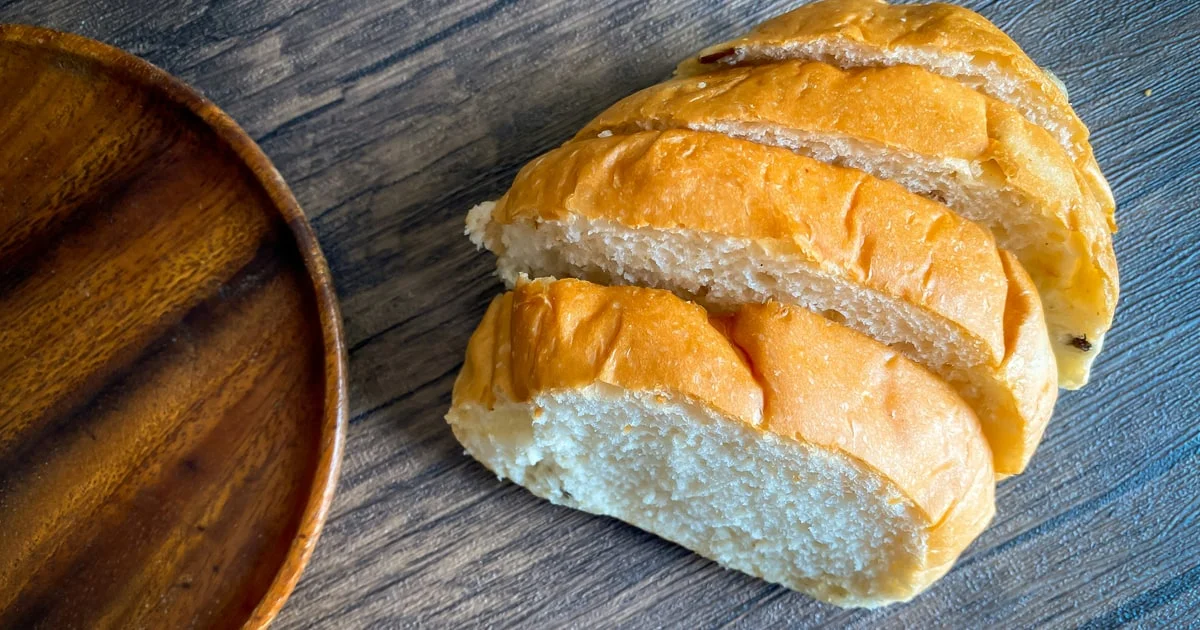
The Philippines has a real halal register with dated, numbered, product-level entries. It also has a law making domestic certification voluntary, which means most makers simply never appear in it.
Both facts matter, and together they explain why this market looks emptier than it is.
Gardenia Is Certified, and You Can Check It
Gardenia Bakeries (Philippines), Inc. holds certification from the Islamic Da’wah Council of the Philippines. This is not a marketing claim. It appears in the council’s own published register with Halal Identity numbers and dates.
Eleven products are registered under the Laguna entity, valid to 27 August 2027, including Classic Enriched White Bread, High Fiber Wheat Bread, the High Fiber Wheat Raisin Loaf, Pinoy Tasty, California Raisin Loaf, Chocolate Chip Loaf, Big Smile White Bread and the NeuBake white and wheaten lines.
A further twenty-nine Gardenia-branded items are registered under Vitabread Food Products, Inc., which is Gardenia’s Pampanga plant, valid to 30 August 2027. That list is broader and covers the things the bread list does not: Regular Premium Pandesal, Soft Delight Pandesal, Clustered Cheese Buns, the Chocolate, Cookies-and-Cream, Rocky Road and Butter Sugar cream rolls, Butter Toast, Spanish Bread Roll, HealthGrain Loaf, Multigrain Soft Bun, Choco Brioche Bun and the Ube and Cheese Double Delights loaf.
Gardenia’s own corporate page carries a halal policy and names the council in its milestone timeline: Laguna accredited in 2018, Mindanao registered in 2020, Lapu-Lapu certified in 2021.
The JAKIM Confusion
This is the single most common mistake about Gardenia, and it is worth being precise.
JAKIM certification belongs to Gardenia Bakeries (KL) Sdn. Bhd., a Malaysian company that is a fifty percent joint venture between QAF Limited and Padiberas Nasional Berhad. Its own halal page names JAKIM, the Selangor religious department whitelist, an internal halal committee formed in 1994 and an independent Syariah advisor.
Gardenia Philippines is a different legal entity, certified by the Philippine council instead. The two share a parent group and a brand name, nothing more for these purposes.
| Philippines | Malaysia | |
|---|---|---|
| Company | Gardenia Bakeries (Philippines), Inc. | Gardenia Bakeries (KL) Sdn. Bhd. |
| Certifier | Islamic Da’wah Council of the Philippines | JAKIM, plus the Selangor whitelist |
| Scope | Named products with identity numbers | ”All Gardenia products” |
| Range | Bread, pandesal, buns, cream rolls | Also cakes, waffles, wraps, spreads, yellow noodles |
A Malaysian Gardenia pack and a Philippine Gardenia pack are different products from different companies. JAKIM certification does not travel.
One honest gap: Gardenia’s Cebu and Mindanao plants are named as certified in the company’s own timeline, but neither appears in the published register. So their output is certified according to the company and unverifiable against the register.
Read the Product, Never the Brand
The clearest lesson in Philippine bakery comes from one company running two very different lines.
Marby Food Ventures declares lard in its Special Piyaya Ube, and pork oil in its Hopia Hapon. The same company declares vegetable shortening in its Super Loaf and in its Whole Wheat Bread.
The sharpest comparison is between two makers of the same traditional sweet. Marby’s ube piaya lists lard. BongBong’s Ube Piaya lists vegetable shortening. Identical product category, opposite answers.
So the risk zone in Philippine bakery is traditional hopia, piaya and some polvoron, not the bread aisle. Across every packaged sliced bread label we read, from Gardenia, Marby, Monde and others, not one declared lard. All declared vegetable shortening or palm and coconut oil.
The Dough Conditioner Question Is Different Here
If you carry a mental checklist from British or American bread, update it for this market.
We found no L-cysteine anywhere. Across 165 Philippine bakery products with published ingredient text, and on a direct additive search, the count was zero. That is genuinely useful, because L-cysteine is usually the first thing to check in commercial bread.
What Philippine bread uses instead:
- Gardenia consistently names DATEM across its range, alongside calcium propionate and mineral yeast food
- Marby’s Whole Wheat Bread uses azodicarbonamide and sodium stearoyl lactylate
- Several crackers use sodium metabisulfite as a flour treatment agent
- Enzymes appear unspecified on several labels. Fita crackers declare a protease and a Monde bread declares an amylase, with no source given for either
That last point is the live question in this market. Undeclared enzymes, not L-cysteine.
Nobody Tells You the Emulsifier Source
On E471 the finding is uniform and unhelpful: not one Philippine maker states the origin. No “of vegetable origin”, no “plant-based”.
One label deserves singling out. Gardenia Toasties declares a “dough improver (contains one or more of the following: mono- and diglycerides, DATEM and ascorbic acid)”. A shopper cannot tell which additive is in the pack they are holding, let alone what it came from.
There are cleaner counter-examples worth knowing. Rebisco’s cracker and biscuit range and URC’s Magic Flakes use soya lecithin rather than E471, and plain Rebisco crackers carry no emulsifier at all. Sky Flakes declares all-vegetable fats, with the cream variant adding dairy.
Gelatine turned up in only three Philippine products, all marshmallow confectionery rather than cake, and none stated the animal source. Every packaged cake, mamon and lava cake label we read used eggs, butter, margarine, oil and milk, with no gelatine.
Alcohol we could not verify either way. No label in the whole sample declared rum, and the fruitcake and ensaymada people ask about are sold unpackaged from bakeshop counters, so there is no declaration to check. That is the honest answer rather than a finding.
Absence From the Register Proves Nothing
This is the most important caveat on this page, and the certifier states it itself. Its homepage says the full list of clients is not posted because of confidentiality, and directs you to contact them.
The Gardenia Cebu and Mindanao plants prove the point empirically. The company says they are certified. The published sheet does not list them.
So when we say the following are not in the published register, read it as undocumented rather than disqualified: Sky Flakes, Cream-O, Magic Flakes, Rebisco, Marby, Red Ribbon, Goldilocks, Julie’s, Mister Donut, and every supermarket own-brand bakery line.
One oddity inside Monde Nissin worth noting: its Davao plant has Fita crackers registered but not Sky Flakes, and Sky Flakes is the bigger brand. We found no explanation and no company statement.
Rebisco is listed by the Halal Development Institute of the Philippines, but that directory publishes company names only, with no products, numbers or dates. It tells you the company is listed and nothing more.
And under the 2016 halal export law, domestic halal certification is voluntary. Most makers never seek it, which is why the register is thin rather than damning.
Two Naming Traps
Julie’s Bakeshop Philippines is not Julie’s of Malaysia. It was founded in Mandaue City, Cebu in 1981 by the Gandionco family and has no connection to the Malaysian biscuit company whose products carry JAKIM certification. If you know Malaysian Julie’s, do not read that across.
Gardenia Philippines and Gardenia Malaysia, as above.
How to Shop It
- For Gardenia, check the Halal Identity number against the council’s register rather than trusting the brand. The numbers are published and dated.
- Buy the bread, question the traditional sweets. Packaged sliced bread showed no lard anywhere. Hopia, piaya and polvoron are where it lives.
- Skip the L-cysteine check and look for enzymes instead. They appear unspecified on several Philippine labels.
- Treat an unlisted brand as unknown, not as forbidden. Certification is voluntary here and the register is explicitly incomplete.
- Ask bakeshops directly about fruitcake and ensaymada, because unpackaged goods carry no declaration at all.
Summary
| Brand | Certification | Status |
|---|---|---|
| Gardenia Philippines (Laguna) | IDCP, 11 named products to 27 Aug 2027 | Certified |
| Gardenia via Vitabread (Pampanga) | IDCP, 29 items to 30 Aug 2027 | Certified |
| Gardenia Cebu and Mindanao | Company says IDCP; not in the register | Unverifiable |
| Fita crackers (Monde Nissin Davao) | IDCP, to 4 Aug 2027 | Certified |
| Sky Flakes, Cream-O, Magic Flakes | Not in the published register | Undocumented |
| Rebisco | HDIP-listed, company name only | Listed, scope unknown |
| Marby | Not in either register | Lard in piaya and hopia, vegetable in bread |
| Red Ribbon, Goldilocks, Julie’s, Mister Donut | Not in the published register | Undocumented |
Ingredients change. Be first to know.
Brands reformulate without warning. We track every E-code update and halal certification — one short weekly email.
Related Articles
 Shopping Guides
 Halal Bakery and Bread in New Zealand: Two Different Companies Called Tip Top
New Zealand's leading halal certifier does not list a single packaged bakery brand, and its processed food directory returns zero companies. Meanwhile the Tip Top on your bread bag and the Tip Top in your freezer are different businesses with different answers.
 Shopping Guides
 Halal Bakery and Cakes in Spain: Mantecados Are Made With Lard, and Some Are Certified Anyway
Spain's most famous festive sweets are built on pork lard, which the name itself tells you. Several Andalusian makers reformulated with vegetable fat and hold Instituto Halal certificates. The big industrial bakery brands hold nothing.
 Shopping Guides
 Halal Instant Noodles in Ireland: Nissin Says No, Samyang and Nongshim Have Certificate Numbers
Nissin's European arm states in its own FAQ that its products are not halal. Samyang and Nongshim hold Korea Muslim Federation certificates you can look up by number. And most mainstream chicken and beef flavours contain no meat at all.