
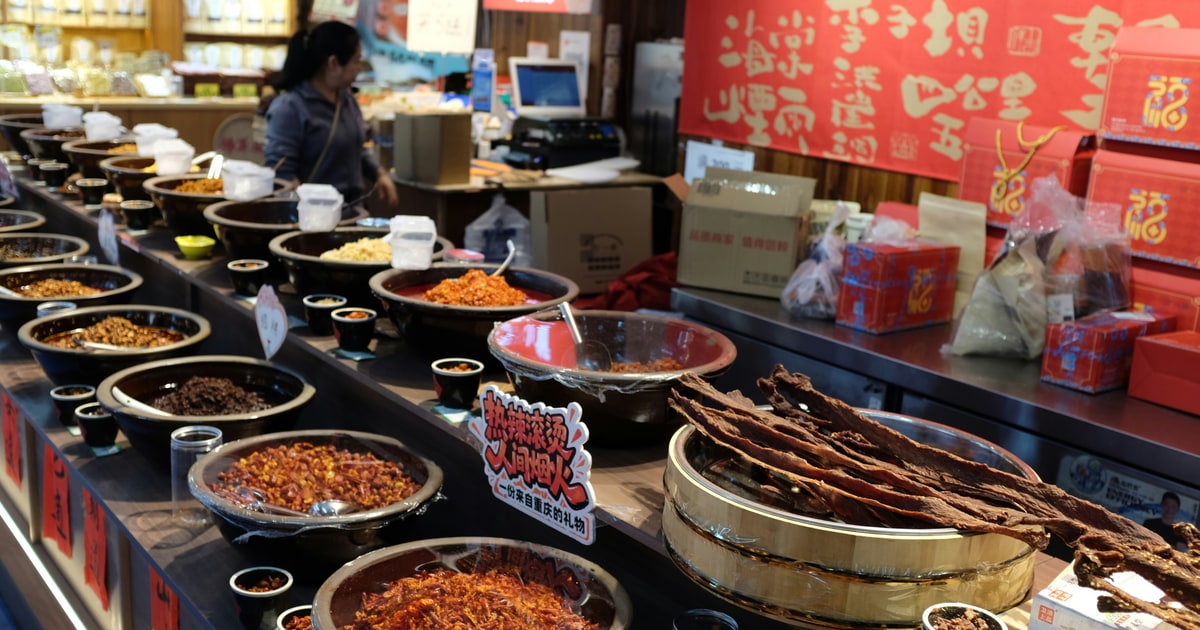
Beef jerky is made from beef — a permissible meat — but that does not make all beef jerky halal. The permissibility of beef in Islam depends on the method of slaughter. Conventionally-slaughtered beef does not meet the zabiha requirement. Beyond the meat, flavourings and marinades may contain alcohol or pork-derived additives. The only reliable way to verify a beef jerky product is through halal certification.
What Is Beef Jerky?
Beef jerky is dried, cured beef that has been marinated in seasoning and then dried or smoked to remove moisture and extend shelf life. It originated as a preservation technique and has become a popular high-protein snack. The base ingredient is always beef — there is no pork in standard beef jerky — but this alone is not sufficient for a halal ruling.
Why Certification Matters for Beef Jerky
Slaughter Method
All four Sunni madhabs require that beef be slaughtered by a Muslim (or, with some qualification, a Person of the Book) who invokes the name of Allah at the moment of slaughter, with the throat cut in a single motion to allow full blood drainage. Standard commercial beef production in the UK and US does not routinely meet this standard.
Jack Link’s, the dominant jerky brand in UK supermarkets, sources its beef from conventional supply chains. The company does not claim halal certification, and no major halal authority covers its UK products.
Flavourings and Marinades
Beef jerky marinades are complex. Common flavouring ingredients that require scrutiny include:
- Worcestershire sauce — some formulations contain anchovies (fish — halal) and malt vinegar. The malt vinegar question is discussed separately in this site. The main concern here is whether flavouring compounds are from permissible sources.
- Soy sauce — most soy sauce contains a very small amount of alcohol produced during fermentation. Majority scholarly opinion holds this is permissible due to the negligible and transformed nature of the alcohol; stricter opinions disagree. Check whether the jerky brand uses soy sauce.
- Natural flavours — this catch-all term can include animal-derived flavour compounds. In a non-certified product, the source is unknown.
- Liquid smoke — typically made from condensed wood smoke; permissible.
Additives
| Additive | Source | Halal Status |
|---|---|---|
| E250 (sodium nitrite) | Mineral | Halal |
| E621 (MSG) | Fermentation | Halal (majority opinion) |
| E300 (ascorbic acid) | Synthetic/plant | Halal |
| Natural flavourings | Unspecified | Mushbooh without disclosure |
UK Brand Breakdown
Jack Link’s — Not Halal Certified
Jack Link’s is the most widely available beef jerky brand in UK supermarkets and service stations. The company sells a range of flavours including original, peppered, teriyaki, and sweet & hot. None of these products carry halal certification. The slaughter method is unverified and some flavouring formulations include ingredients that are themselves not certified halal.
Status: Mushbooh — not recommended for Muslim consumers seeking verified halal products.
Tahira — Halal Certified
Tahira is an established UK halal brand with wide distribution in halal supermarkets. Their beef products, including jerky-style snacks, carry halal certification. Available in some mainstream retailers in areas with significant Muslim communities.
Status: Halal — verify certification logo on pack.
Biltong Box — Halal Certified
Biltong Box specialises in biltong (South African-style dried beef) and beef jerky. The brand produces halal-certified products and is available online with delivery across the UK. Biltong is made from strips of beef marinated in vinegar and spices, then air-dried — a slightly different process from American-style jerky but nutritionally and functionally similar.
Status: Halal — verify certification logo on pack.
Smaller Artisan Brands
A growing number of small UK producers make halal-certified beef jerky, sold primarily through their own websites and marketplaces. When buying from artisan producers:
- Ask which halal certification body covers the product.
- Verify the body is recognised (HMC, HFA, or equivalent).
- Check whether certification covers both the beef source and the flavouring.
What to Check When Buying Beef Jerky
A practical checklist for any beef jerky purchase:
- Halal certification logo — is it present on the front or back of the pack? Identify the certifying body.
- Beef source — does the label or manufacturer confirm zabiha slaughter?
- Flavouring transparency — are flavourings listed with sources, or as generic “natural flavours”?
- Alcohol in marinades — soy sauce, Worcestershire sauce, and beer-based marinades are worth querying.
- No pork additives — standard beef jerky should not contain pork, but some flavouring blends include pork-derived smoke compounds. Check.
Biltong vs Beef Jerky: Is There a Difference for Halal Purposes?
Biltong (South African) and beef jerky (American) are both dried beef snacks but use different production processes. For halal purposes, the same rules apply to both: the beef must be halal-slaughtered, and any additives must be from permissible sources. Biltong traditionally uses vinegar as a flavouring and preservative — vinegar is halal (see our vinegar guide).
Summary
| Factor | Detail |
|---|---|
| Beef as a meat | Permissible — requires halal slaughter |
| Jack Link’s UK | Mushbooh — not halal certified |
| Tahira | Halal — certified |
| Biltong Box | Halal — certified |
| Key risks | Slaughter method, natural flavourings, alcohol in marinades |
| Certification to look for | HMC, HFA, JAKIM |
Skipping the supermarket shelf and going straight to a certified pack is the simpler route — we have ranked the halal-certified beef jerky brands worth buying in 2026, all of them zabiha and logo-verified.
Check any E-code on a jerky packet in the E-codes database. Scan a full ingredient list with the ingredient scanner.
How we reached this verdict
- HMC and HFA databases: Confirmed Jack Link’s does not hold UK halal certification. Confirmed Tahira and Biltong Box are certified.
- Manufacturer ingredient lists: Reviewed for pork additives and alcohol-containing components.
- Scholarly sources: Islamic ruling on zabiha requirement and the treatment of soy-sauce fermentation alcohol reviewed across madhabs.
Madhab note
All four Sunni madhabs require halal slaughter for beef. On the question of conventional (non-zabiha) beef: the Maliki and classical Shafi’i positions are somewhat more permissive of Ahl al-Kitab slaughter; the Hanafi-Deobandi tradition is stricter and widely followed in the UK, generally requiring Muslim-performed zabiha. For flavouring alcohol from fermentation: majority position across all madhabs is that trace amounts in a transformed state are permissible; minority Hanbali positions are stricter.
Ingredients change. Be first to know.
Brands reformulate without warning. We track every E-code update and halal certification — one short weekly email.
Related Articles
 Ingredient Guides
 Is Samyang Buldak Halal? The Halal Version Explained
Samyang Buldak ramen exists in both halal and non-halal versions. Here's how to tell them apart and where to buy the certified halal version.
 Ingredient Guides
 Malaysia's Gummy Candy Ban and the Halal Gelatin Problem JAKIM Found
Malaysia banned eyeball-shaped gummy candy after a child's death, then JAKIM found pork DNA in most marshmallows tested. Here's how to check gummy candy is halal.
 Ingredient Guides
 Ferment Lactique: Halal or Haram? What It Actually Means (2026)
Ferment lactique (lactic ferment) on French food labels is a bacterial culture — halal. The ingredient to actually check for is présure (rennet). Full explainer.