
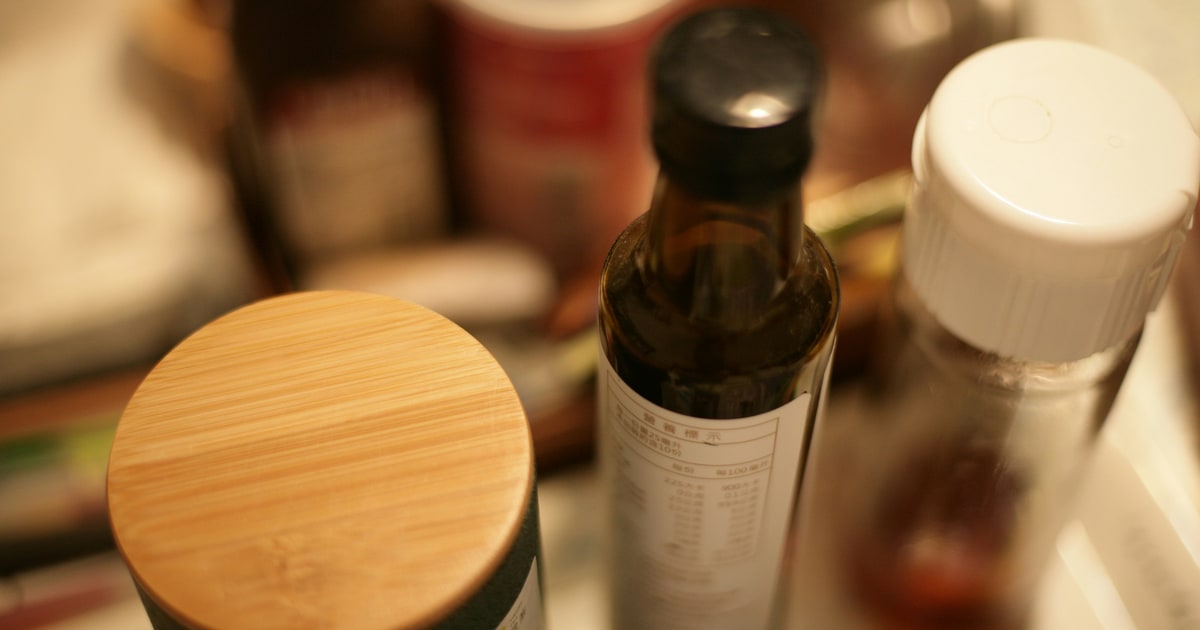
All vinegar is halal. This is the majority scholarly position across all four Sunni madhabs, and it has prophetic backing in an authentic hadith. Malt vinegar, wine vinegar, balsamic vinegar, rice vinegar, cider vinegar, white wine vinegar — all of these are permissible. The principle that makes them halal is istihalah: the complete transformation of a substance into something chemically and functionally different.
The Prophetic Ruling on Vinegar
The strongest evidence for the permissibility of vinegar is found in Sahih Muslim. A narration reports that the Prophet Muhammad (peace be upon him) said: “The best of condiments is vinegar” (ni’mal idam al-khall). This hadith has been narrated in various forms across the major hadith collections.
The hadith scholars note that the Arabic word khall (vinegar) in the time of the Prophet would have included vinegar derived from wine (khamr), since wine was the dominant fermented liquid of the region before the prohibition of alcohol. The fact that the Prophet praised vinegar after the prohibition of wine indicates that vinegar — even wine-derived vinegar — is halal. The transformation changes the ruling.
What Is Istihalah?
Istihalah (Arabic: استحالة) is the Islamic legal principle of complete transformation. When a substance undergoes a fundamental chemical change such that it becomes a different substance with different properties, the ruling (hukm) of the original substance no longer applies.
The classic example is wine becoming vinegar. Wine is haram because it is intoxicating. When wine ferments into vinegar, the ethanol is converted to acetic acid. Acetic acid:
- Is not intoxicating
- Has a completely different chemical structure from ethanol
- Has different physical properties (acidic, not alcoholic)
- Does not carry the functional definition of khamr (an intoxicating drink)
The transformation is not cosmetic or superficial — it is a fundamental chemical conversion. This is why the rule changes: the thing that was haram (ethanol) no longer exists. What exists is a new, permissible substance.
How Vinegar Is Made
All vinegar production follows the same basic two-stage process:
Stage 1: Alcoholic fermentation A sugar source (grapes for wine vinegar, barley for malt vinegar, rice for rice vinegar, apples for cider vinegar) is fermented by yeast, converting sugars to ethanol.
Stage 2: Acetic acid fermentation (acetification) Acetobacter bacteria consume the ethanol and produce acetic acid. This is the process that transforms alcohol into vinegar.
In the finished product:
- Ethanol: 0% (fully converted)
- Acetic acid: typically 4–8%
- Water and flavour compounds: remainder
There is no alcohol in vinegar. The substance is different. The ruling is different.
Types of Vinegar: Each One Analysed
Malt Vinegar
Source: Barley → malted barley → fermented into a barley beer → acetified into vinegar.
Status: Halal. The beer stage is transitional. The final malt vinegar contains no alcohol. Darul Ifta Birmingham has explicitly confirmed malt vinegar as halal. Used on fish and chips, in condiments, and in pickles.
Wine Vinegar (Red and White)
Source: Grape juice → wine → acetified into wine vinegar.
Status: Halal (majority position). The wine stage is transitional. The final product is acetic acid. This is the most directly addressed case in classical fiqh, and the majority ruling is halal. Used in vinaigrettes, Mediterranean cooking, and marinades.
Balsamic Vinegar
Source: Concentrated grape must → aged for years in wooden barrels → fermented and acetified over time.
Status: Halal. Balsamic vinegar is made from grape must that undergoes both fermentation and acetification together. The aged product contains complex flavour compounds but no significant alcohol. Used in dressings, glazes, and desserts.
Rice Vinegar
Source: Rice → rice wine (sake-like) → acetified into rice vinegar.
Status: Halal. Widely used in East and Southeast Asian cuisines, including in Muslim-majority communities across Malaysia, Indonesia, and Thailand. No alcohol in the final product.
Cider Vinegar (Apple Cider Vinegar)
Source: Apples → apple juice → fermented into cider (alcoholic) → acetified into cider vinegar.
Status: Halal. Apple cider vinegar has become popular as a health supplement. The final product is acetic acid from apples. No alcohol remains.
Spirit Vinegar / Distilled White Vinegar
Source: Dilute ethanol (usually from grain fermentation) → directly acetified.
Status: Halal. Spirit vinegar is produced from an ethanol base that is fully converted to acetic acid. Used extensively in commercial food production — pickles, condiments, preserves. Common in UK food manufacturing.
Practical Notes on Vinegar in Packaged Foods
Vinegar appears in a huge range of packaged foods:
- Crisps and snack seasoning
- Sauces (ketchup, brown sauce, salad cream, mayonnaise)
- Pickles and chutneys
- Ready meals and marinades
- Chips (vinegar-seasoned)
In all of these applications, the vinegar is halal. The concern with these products, if any, lies with other ingredients (animal-derived emulsifiers, non-halal meat derivatives in flavourings) — not the vinegar.
The Minority Position
A minority scholarly position — found in some Hanbali scholarship and echoed by a small number of more cautious scholars — raises concern about vinegar deliberately made from wine (i.e., wine that was produced with the intention of making vinegar, as opposed to wine that turned into vinegar naturally or accidentally). This position holds that even if the product is chemically vinegar, intentionally using wine as an intermediate step is disliked.
This minority view does not reflect the mainstream across any of the four madhabs. The vast majority of contemporary Islamic scholars, including the major UK fatwa institutions, take the permissibility of all vinegar as settled.
Summary
| Vinegar Type | Source | Halal Status |
|---|---|---|
| Malt vinegar | Barley beer | Halal |
| Wine vinegar (red/white) | Grape wine | Halal (majority) |
| Balsamic vinegar | Grape must | Halal |
| Rice vinegar | Rice wine | Halal |
| Cider vinegar | Apple cider | Halal |
| Spirit vinegar | Grain ethanol | Halal |
| Principle | Istihalah | Complete transformation — no alcohol remains |
Check any E-code in a vinegar-containing product in the E-codes database. Scan full ingredient lists with the ingredient scanner.
How we reached this verdict
- Hadith review: Sahih Muslim narration on vinegar (ni’mal idam al-khall) and its scholarly commentary reviewed.
- Istihalah scholarship: Classical and contemporary fiqh sources across all four madhabs reviewed.
- Darul Ifta Birmingham: Explicit ruling on malt vinegar confirmed.
- IslamQA and major fatwa sources: Consensus on wine vinegar and spirit vinegar permissibility confirmed.
Madhab note
All four Sunni madhabs hold the majority position that vinegar is halal by istihalah — the ruling of the Hanafi, Maliki, Shafi’i, and Hanbali schools each reaches permissibility, with some variation in reasoning. The Hanafi and Maliki schools apply istihalah most broadly. The Shafi’i school confirms permissibility of vinegar specifically (while being more nuanced on istihalah in other contexts). A minority Hanbali voice expresses caution on wine vinegar made intentionally, but this does not represent the Hanbali mainstream or any of the other three schools.
Ingredients change. Be first to know.
Brands reformulate without warning. We track every E-code update and halal certification — one short weekly email.
Related Articles
 Ingredient Guides
 Is Sriracha Halal? A Guide to Halal Hot Sauces
Is sriracha halal? Most sriracha sauces are plant-based and halal — but not all. Here's what to check and the best verified halal hot sauces to buy.
 Ingredient Guides
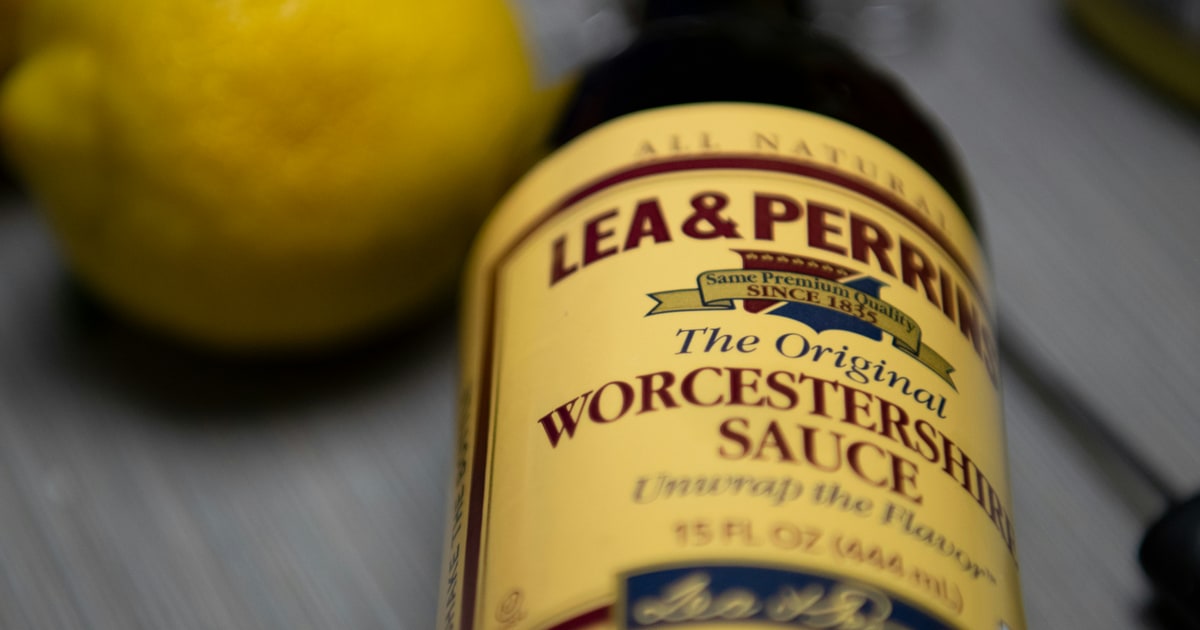
 Is Worcestershire Sauce Halal? Anchovy & Vinegar Explained (2026)
Lea & Perrins contains anchovies and malt vinegar. Fish is halal; the vinegar is transformed from alcohol. Most Islamic scholars consider Worcestershire sauce halal.
 Ingredient Guides
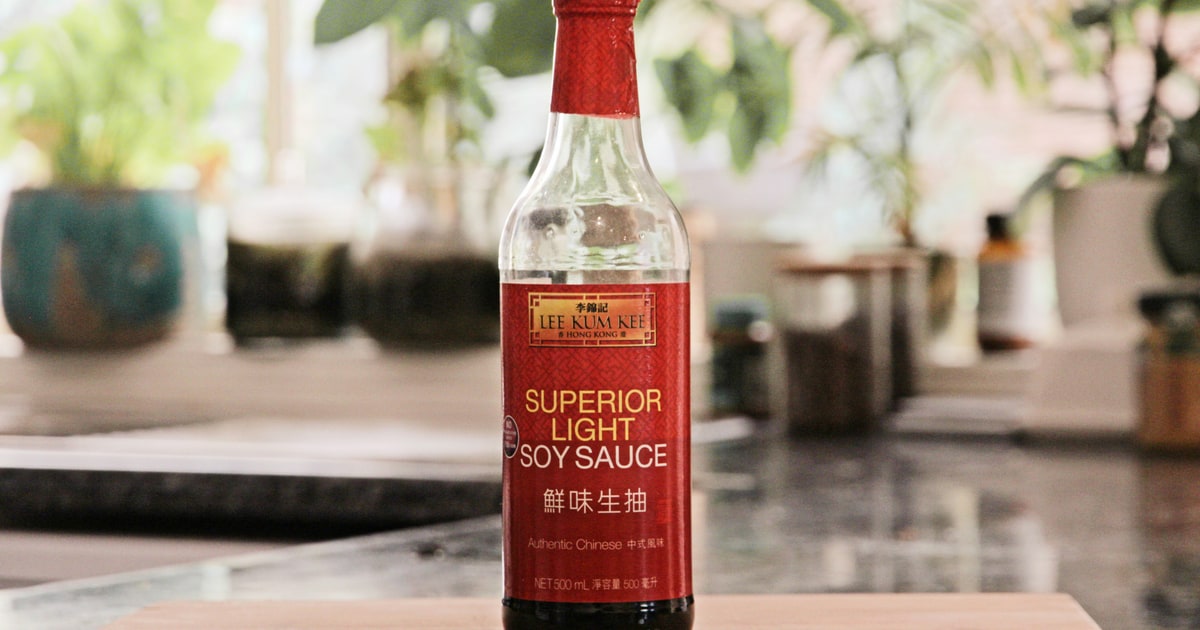
 Is Oyster Sauce Halal? Brands Checked & Halal Alternatives (2026)
Oysters are seafood — halal across all four Sunni madhabs. Lee Kum Kee has halal-certified variants. Most major brands offer halal options in Muslim-majority markets.