
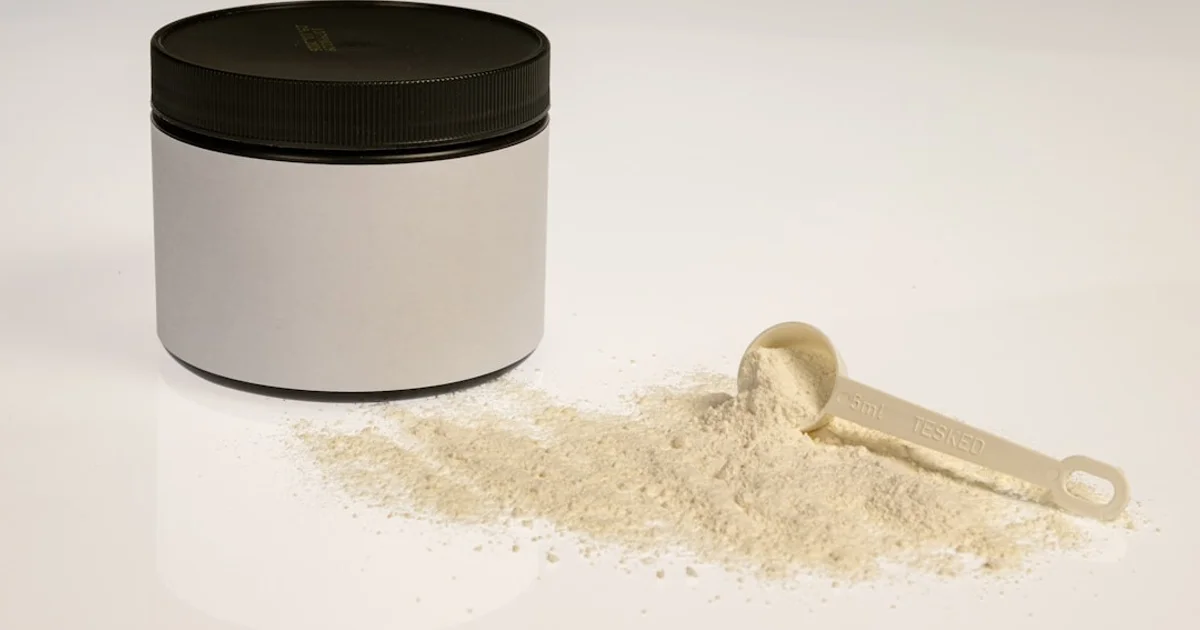
No US baby formula or baby food brand we checked holds a clean, current halal certification for the product actually sold in the US. That’s the honest answer, and it’s not what you’ll read on most blogs that list Similac or Enfamil as halal. Go to the brands’ own sites and every claim turns out to be limited to another country, out of date, or made without naming a certifier.
We checked six brands directly. Two are certified — but not here: Similac’s certification covers Malaysia only, and Enfamil’s is stated on its Canadian site and nowhere on the US one. Beech-Nut says outright it has no halal products.
Is Baby Formula Halal in the USA?
Quick answer:
- Certified in another market, not confirmed for the US product: Similac (Malaysia only), Enfamil (Canada site only), Gerber Good Start (a 2010 listing for discontinued products).
- Says it has none: Beech-Nut — “We do not have any products that are Halal at this time.”
- Claims “Halal” quality standard, names no certifier: Bobbie.
- No halal claim found: Kabrita USA.
- What to check: whether the certification is for your country’s product, whether the source is current, and whether a certifying body is named at all.
Why Baby Formula Is Harder to Verify Than Other Foods
A halal claim on formula can mean one of three things: certified for one country’s factory but not another, certified years ago under a product name that no longer exists, or a general “meets Halal standards” line with no certifier named. Formula is made at specific facilities under country-specific approval, so a certification earned in Malaysia or Canada doesn’t carry over to the US version of the same brand — the same country-of-manufacture problem we’ve found with chocolate and confectionery.
It matters more here than almost anywhere else. Formula is often a baby’s only food, and “close enough” isn’t a standard most parents want to work with.
US Baby Formula and Food Brands Checked for Halal Certification
Certified elsewhere, not confirmed for the US product
Similac (Abbott) — Abbott’s own halal certification page names Similac Mom, Similac Total Comfort and others as halal under IFANCA, MUIS (Singapore) or HQC — but the page limits this to products “sold in the Malaysian retail market.” No equivalent US statement exists.
Enfamil (Reckitt/Mead Johnson) — Mead Johnson’s Canadian site says: “The organization that certifies our products halal is the Islamic Food and Nutrition Council of America (IFANCA),” and lists standard and NeuroPro formulas. That’s on enfamil.ca, not enfamil.com — a search for “halal” on the US site returns nothing in any category. Canadian certification doesn’t confirm the US product.
Gerber Good Start (Nestlé) — IFANCA’s company-news page lists Gerber as a client and names “Good Start 2 Supreme Soy DHA & ARA” and “Good Start Supreme DHA & AEA” as certified — dated September 30, 2010. Those products aren’t in Gerber’s 2026 lineup (now GentlePro, SoothePro, Extensive HA and similar), and we found no current IFANCA listing for today’s range. Historical, not current.
Says it has none
Beech-Nut — its own FAQ states: “We do not have any products that are Halal at this time,” and confirms it stopped Kosher-certifying its last kosher jar purees in May 2025. A halal-check app had tagged one Beech-Nut product “halal suitable.” The manufacturer’s own statement wins.
Claims a standard, names no certifier
Bobbie — Grass-Fed Whole Milk Infant Formula. Bobbie’s Medical FAQ says its manufacturer meets “USDA Organic, Kosher, Halal, and FDA quality standards” — no certifying body named, and the product page on hibobbie.com doesn’t mention halal. Target’s listing tags it “Halal,” but a retailer listing isn’t a primary source. A claim, not a certification.
No halal claim found
Kabrita USA — goat milk infant and toddler formula. Product pages and Medical FAQ list Clean Label Project and European manufacturing certifications. Nothing on halal or kosher.
Halal Status by Brand
| Brand | Product | Certification Status |
|---|---|---|
| Similac | Similac Mom, Total Comfort, others | IFANCA/MUIS/HQC — Malaysia market only |
| Enfamil | NeuroPro / standard formulas | IFANCA in Canada; nothing on US site |
| Gerber Good Start | 2010-era Good Start Supreme SKUs | IFANCA per a 2010 source; current lineup unconfirmed |
| Beech-Nut | All baby food purees | Not halal — brand’s own FAQ |
| Bobbie | Grass-Fed Whole Milk Infant Formula | ”Halal” quality standard claimed, no certifier named |
| Kabrita USA | Goat milk infant/toddler formula | No halal claim found |
What to Ask Before Choosing a Baby Formula or Baby Food Brand
- Is the certification for the product you’re buying? Similac’s covers Malaysia. A real certification for one country’s factory doesn’t transfer to another market’s version.
- Is the source current? Gerber’s IFANCA mention is 16 years old and names discontinued products. Ask the brand for current status.
- Is a certifying body named? “Meets Halal quality standards” without IFANCA, HFA, HMC, JAKIM or another recognized body is a claim, not a certification — the same gap we found across most brands in our US halal meal kits guide.
- Does the manufacturer’s own site say it, or only a retailer or an app? Beech-Nut’s FAQ contradicted a halal-check app in this research. Prefer the brand’s own statement.
- What about vitamin D3 and DHA? Both are often animal- or fish-derived. Worth asking directly if there’s no full certification — see our E-numbers in vitamins and supplements guide.
Summary
| Question | Answer |
|---|---|
| Any US-confirmed, current halal-certified baby formula? | None found — every claim was geography-limited, outdated, or unconfirmed on the brand’s own site |
| Which brand rules out halal outright? | Beech-Nut, on its own FAQ |
| Closest to a US claim? | Bobbie — “Halal” quality standard on its Medical FAQ, no certifier named |
| Best next step for parents? | Contact the brand and ask for current certification documentation, not a marketing line |
For UK formula brands, where certification is more established, see our UK halal baby formula guide. To check a specific ingredient on a US formula label, search the E-code database.
How we reached this verdict
- Each brand’s own site, checked for a named certifying body, certificate or logo in August 2026 — Bobbie’s Medical FAQ and product page, enfamil.com and Mead Johnson Canada’s site, Abbott’s halal certification page, Beech-Nut’s FAQ, Kabrita’s product and medical pages.
- IFANCA’s own certified-company news page, which surfaced the Gerber mention — dated and flagged as 2010, not treated as current.
- Not treated as verification: retailer listings (Target’s “Halal” tag on Bobbie) and halal-check apps (which tagged a Beech-Nut product halal-suitable when Beech-Nut’s own FAQ says otherwise).
- Brand pre-flight: none of the six brands has an existing HalalCodeCheck brand page, so no verdict conflicts. Nestlé’s existing brand page (
Varies, chocolate-focused) is unrelated to the Gerber finding.
Madhab note
For infant formula and baby food the question is rarely slaughter — most ingredients are dairy, plant or synthetic — and mostly ingredient sourcing. Vitamin D3 is often lanolin-derived (sheep’s wool grease) and DHA is often fish- or algae-derived. Mainstream Sunni scholarship across the four madhabs generally accepts lanolin-derived D3 as halal on istihāla (transformation) grounds — the source is processed into a distinct compound — the same reasoning as our UK halal baby formula guide. Where a brand doesn’t disclose its D3 or DHA source, treat it like any undisclosed-source E-code: Mushbooh, not assumed halal.
Run a certified halal brand that belongs in this guide?
Get featured here and across HalalCodeCheck — reach shoppers at the moment they verify.
Ingredients change. Be first to know.
Brands reformulate without warning. We track every E-code update and halal certification — one short weekly email.
Related Articles
 Shopping Guides
 Halal Shopping at Coles: Aisle-by-Aisle Australia Guide (2026)
Coles stocks halal-certified meat from accredited abattoirs but own-brand packaged goods require E-code checking — here's what to look for in each aisle.
 Shopping Guides
 Halal Shopping at Carrefour: France, UAE & Turkey Guide (2026)
Carrefour's halal status varies by country — UAE stores stock certified halal products throughout, while French stores require label-by-label checking.
 Shopping Guides
 Halal Food in Malaysia: Beyond JAKIM — Full Supermarket & Brand Guide
JAKIM certification is Malaysia's gold standard but not every product on shelf is JAKIM-certified — here's how to shop confidently in Mydin, Giant, and Aeon.