
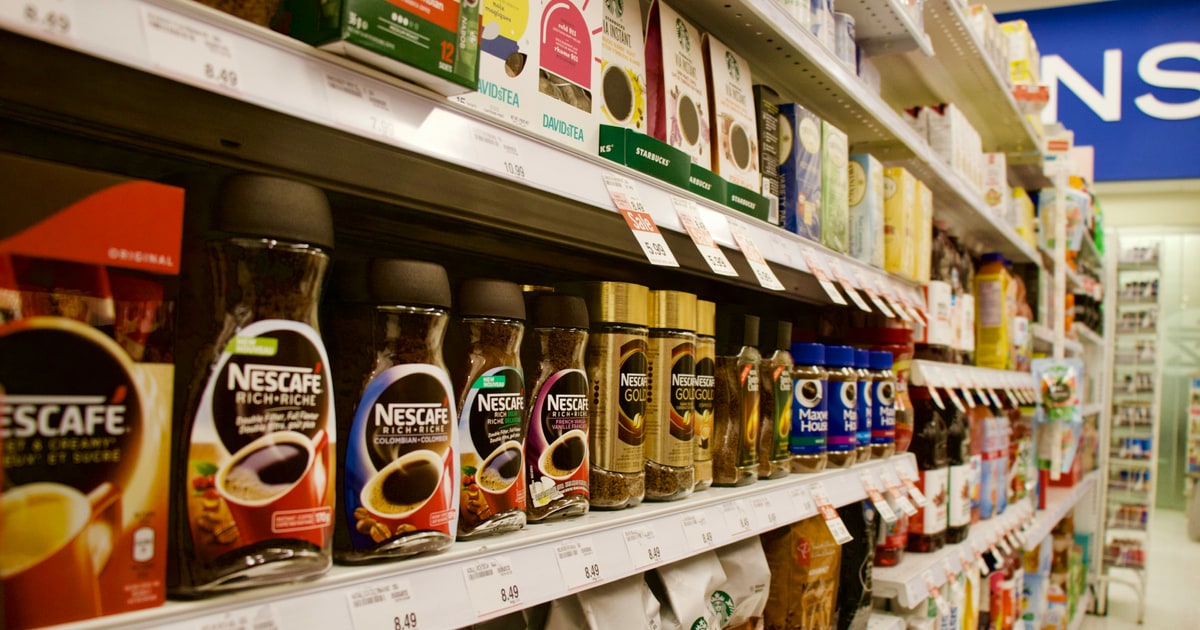
The Prophet Muhammad (peace be upon him) described the concept that defines mushbooh most precisely:
“What is lawful is clear and what is unlawful is clear, and between the two of them are doubtful matters about which many people do not know. Thus, he who avoids doubtful matters clears himself in regard to his religion and his honour, but he who falls into doubtful matters falls into that which is unlawful, like the shepherd who pastures around a sanctuary, all but grazing therein.” (Sahih Muslim)
This hadith is foundational to the concept of mushbooh in Islamic food law. Not all food sits cleanly in the halal or haram category — there is a grey zone of doubt that requires investigation and, where investigation is not possible, caution.
New to the term? Start with what mushbooh means and how to decide — this page focuses on the specific foods most often affected.
Understanding the Three Categories
Halal (حلال): Permissible. The food is clearly lawful under Islamic principles. No concern.
Haram (حرام): Prohibited. The food contains or comes from a clearly prohibited source — pork, alcohol, blood, improperly slaughtered animals, certain animals. Avoid.
Mushbooh (مشبوه): Doubtful. The food’s status cannot be determined without further information. The source is uncertain. It may be halal or haram depending on specific production choices made by the manufacturer.
Mushbooh is not a permanent classification — it is a status of insufficient information. Once you confirm that the E471 in a product comes from plant sources, it moves from mushbooh to halal. Once you confirm it comes from pork fat, it moves to haram. The mushbooh classification is a call to investigate, not a verdict.
Why Mushbooh Exists in Modern Food
Mushbooh exists primarily because modern food production uses shared supply chains where the same additive may be sourced from different producers for different product batches. A flavour enhancer might be plant-derived for one batch and pork-derived for another, depending on market pricing and supplier availability.
This creates genuine uncertainty at the consumer level — the label tells you an additive is present, but cannot tell you which source was used in the specific batch you are holding.
The response to this uncertainty is what separates conservative, moderate, and lenient approaches to halal compliance.
The Most Common Mushbooh Foods in UK Supermarkets
1. Cheese Without Vegetarian Certification
Why mushbooh: Traditional cheese uses animal rennet to coagulate milk. Animal rennet comes from the stomach lining of slaughtered calves. If those calves were not halal-slaughtered, the rennet — and technically the cheese — comes from a non-halal source.
The safe signal: “Suitable for vegetarians” on the label confirms microbial or vegetable rennet. This is the vegan/vegetarian cheese you can buy without concern.
What to do: Buy only cheese labelled suitable for vegetarians. Avoid any cheese without this label unless it is specifically halal certified.
2. Products Containing E471 (Mono and Diglycerides of Fatty Acids)
Why mushbooh: E471 is an emulsifier derived from fatty acids. These fatty acids may come from plant oils (sunflower, soy, palm) or from animal fat including pork. The same E471 code covers both.
Prevalence: E471 is extremely common — it appears in bread, biscuits, margarine, ready meals, ice cream, and many other staple products.
The safe signal: “Suitable for vegans” or “suitable for vegetarians” on a product confirms the E471 is from plant sources.
What to do: For products without a vegan/vegetarian label, contact the manufacturer to confirm the source. Many major UK manufacturers use plant-derived E471 and will confirm this in writing.
3. Flavoured Crisps and Snacks with E631/E627
Why mushbooh: Disodium inosinate (E631) and disodium guanylate (E627) are flavour enhancers that boost savoury taste. They can be produced from yeast or plant fermentation (halal) or from pork or fish (mushbooh/haram).
Prevalence: Common in flavoured crisps, instant noodles, and ready meal seasonings. BBQ, prawn cocktail, and cheese flavour profiles often use these.
The safe signal: “Suitable for vegetarians” on the product confirms the E631/E627 is from yeast or plant sources (not pork).
What to do: Choose vegetarian-labelled flavoured crisps. Most major crisp brands have some vegetarian-labelled varieties.
4. Energy Drinks and Supplements with Taurine
Why mushbooh: Taurine is an amino acid widely used in energy drinks (Red Bull, Monster, Lucozade) and some supplement formulas. It was originally extracted from bull bile (the name comes from Taurus, the bull). Modern commercial taurine is almost universally synthetic (manufactured from chemicals, not from animals), but some manufacturers use animal-derived taurine.
Practical assessment: The major energy drink brands (Red Bull, Monster) use synthetic taurine and have confirmed this to Muslim consumer organisations. However, taurine without source confirmation remains technically mushbooh.
What to do: For major brands that have confirmed synthetic taurine, the consensus is that their energy drinks are halal (alcohol aside — some energy drinks contain alcohol). For lesser-known brands, confirm the taurine source.
Note: Alcohol in energy drinks is a separate and more clear-cut haram concern. Some energy drinks contain alcohol as a preservative or flavour carrier — check the label.
5. Bone Broth and Stock Products
Why mushbooh: Bone broth products (the increasingly popular liquid bone broths sold in pouches and cartons) are made by slow-cooking animal bones. The halal concern: which animals, and were they halal-slaughtered?
Mainstream stock cubes (Knorr, Oxo, Maggi): Chicken and beef varieties. Not certified halal. The animal source is from conventional (non-halal) supply chains. These are mushbooh at best.
What to do: Make your own stock using halal-certified carcass bones from your halal butcher (after cooking a halal chicken, save the bones and simmer for stock). Or look for halal-certified stock brands — some are available from Asian/Middle Eastern food suppliers.
6. Products with E422 (Glycerol/Glycerine)
Why mushbooh: Glycerol is used as a sweetener, humectant, and solvent. It may be from plant oils (palm, coconut, soy — halal) or from animal fat rendered during meat processing (mushbooh if not from halal-slaughtered animals). Synthetic glycerol is also available.
Prevalence: Common in baked goods, some drinks, confectionery, and pharmaceutical products.
The safe signal: Vegan label confirms plant-derived glycerol.
7. Gelatine Products Without Halal Certification
Why mushbooh/haram: Gelatine is most commonly porcine (haram). If gelatine is from halal-certified bovine (halal), this must be confirmed on the label or by certification. Any “gelatine” without further specification defaults to mushbooh at best (if you assume it might be bovine) or haram (if you assume the most common commercial source, which is porcine).
Practical position: Most UK halal scholars treat uncertified gelatine as haram, not just mushbooh, because porcine is the dominant commercial source and the burden of proof for permissibility has not been met.
8. Flavouring Systems in Ready Meals
Why mushbooh: Ready meals use complex flavouring systems that may include a range of E-codes from various sources. The combination of E471, E631, E627, natural flavourings, and other additives in a ready meal creates multiple points of potential concern.
What to do: Look for halal certification logos on ready meals. Alternatively, cook from scratch using certified halal meat and identifiable plant-based ingredients.
9. Some Drinks with “Natural Flavourings”
Why mushbooh: “Natural flavourings” in beverages may include animal-derived compounds. This is more of a concern for drinks with unusual flavour profiles (certain craft sodas, specialty teas with unusual ingredients) than for standard mainstream products.
What to do: For mainstream soft drinks (Coca-Cola, Pepsi, Sprite, Fanta, Ribena, Lucozade), the consensus among UK Muslim scholars is that these are halal — the “natural flavourings” are plant-derived and the companies have confirmed this to Islamic organisations. For unusual craft drinks, check with the producer.
How Conservative, Moderate, and Lenient Positions Handle Mushbooh
Conservative position: Avoid all mushbooh food until positive confirmation of permissible sourcing is obtained. If in doubt, leave it out. This position takes the Prophet’s hadith most literally.
Moderate position: Investigate mushbooh foods and seek confirmation. Where confirmation indicates plant or synthetic sourcing (most E471 in Europe), accept the food as permissible. Where confirmation cannot be obtained and the most likely source is haram (uncertified gelatine), avoid.
Lenient position: Apply the principle that the majority of an additive’s commercial production is from permissible sources — since most European E471 is plant-derived, assume halal unless specifically confirmed otherwise. This position relies on statistical likelihood rather than direct confirmation.
Recommendation: The moderate position is the most practically workable for UK Muslim consumers. Use HalalCodeCheck to identify mushbooh E-codes, contact manufacturers for confirmation of specific products you buy regularly, and use vegan/vegetarian labels as quick confirmation of plant sourcing.
The Mushbooh Resolution Workflow
- Identify — HalalCodeCheck flags an E-code as mushbooh
- Check labels — Is the product vegan or vegetarian labelled? If yes, the E-code is plant-derived: halal
- Contact manufacturer — Email asking for the source of the specific additive
- Get confirmation — Most UK manufacturers will confirm in writing
- Document — Note the confirmation for future shopping
- If no confirmation — Strict: avoid; moderate: assess based on most likely source; lenient: accept
Summary
| Mushbooh Food | Why Doubtful | Resolution |
|---|---|---|
| Cheese without vegetarian label | Animal rennet source unknown | Buy vegetarian-certified cheese |
| Products with E471 | Fat source may be pork | Buy vegan-labelled or confirm manufacturer |
| Crisps with E631/E627 | Source may be pork or fish | Buy vegetarian-labelled crisps |
| Taurine in energy drinks | May be animal or synthetic | Most major brands confirmed synthetic |
| Bone broth/stock | Animal source and slaughter unknown | Make own from halal butcher bones |
| Uncertified gelatine | Most commonly porcine | Treat as haram; only buy halal-certified |
| E422 glycerol | May be animal fat | Buy vegan-labelled products |
| Verdict | Investigate first | Vegan/vegetarian label resolves most cases |
Ingredients change. Be first to know.
Brands reformulate without warning. We track every E-code update and halal certification — one short weekly email.
Related Articles
 Shopping Guides
 Halal Ice Cream and Dairy in the Netherlands: Ola, Hertog and What to Check (2026)
No Dutch supermarket ice cream is halal-certified. Ola's Raket is gelatine-free, Albert Heijn labels vegetarian whey, and the classic Malaga flavour contains real rum. The Dutch freezer aisle, checked.
 Shopping Guides
 Halal Ice Cream and Dairy in Germany: Langnese, Schöller and What to Check (2026)
No mainstream German supermarket ice cream is halal-certified. But Langnese's classic water ices are now certified vegan, and Lidl's Bon Gelati declares plant-origin E471. Here is the German freezer aisle, brand by brand.
 Shopping Guides
 Is Revolution Nutrition Iso Whey Halal? The Rennet Question (2026)
Revolution Nutrition Iso Whey is Mushbooh: no gelatine or haram additives, but the whey's rennet source is undisclosed and the brand holds no halal certification.