
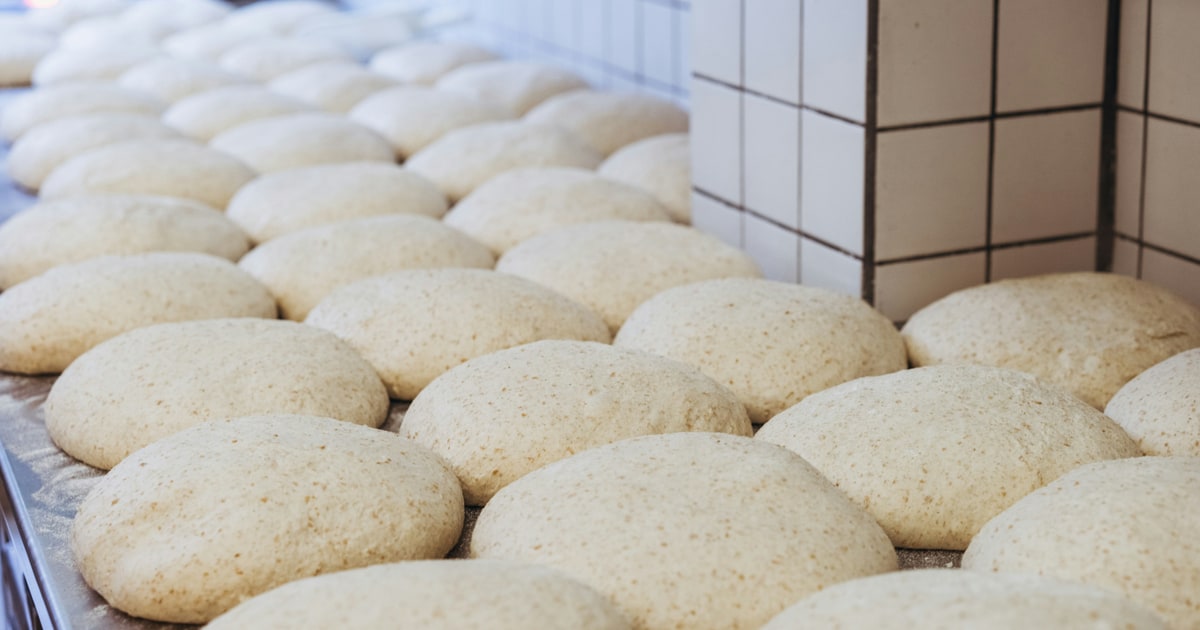
Yeast is a microorganism — a single-celled fungus — and it is halal. Bread yeast, instant yeast, nutritional yeast, and yeast extract (the basis of Marmite and Vegemite) are all permissible. The question that generates most of the confusion is the relationship between yeast and alcohol: yeast produces alcohol during fermentation, but in the final food products where yeast is used, the alcohol has either been cooked off or was never at a meaningful level.
What Is Yeast?
Yeast (Saccharomyces cerevisiae and related species) is a microscopic fungus. It reproduces through budding and metabolises sugars for energy. When it breaks down sugars in the absence of oxygen, it produces ethanol and carbon dioxide — this is the fermentation process used in brewing and baking.
In bread baking, yeast is added to dough where it ferments sugars in the flour. The CO₂ it produces causes the dough to rise. The small amount of ethanol produced evaporates entirely during baking — a well-baked loaf of bread contains no detectable alcohol.
Yeast as an Ingredient: Halal Status
Yeast cells themselves contain no alcohol. They are living organisms (or dried cells) made of proteins, carbohydrates, and fat. From an ingredient perspective, yeast is:
- Not derived from animals
- Not derived from pork
- Not an alcohol-containing substance
- A type of fungus, which is permissible food
The connection to alcohol is functional — yeast can produce alcohol when it ferments sugar — but the yeast itself is not alcohol and is not haram.
Bread Yeast: UK Brands
Allinson’s Yeast
The most widely available bread yeast in UK supermarkets. Allinson produces active dried yeast and easy bake (instant) yeast. Both contain only dried yeast with no additives. Halal.
Doves Farm Yeast
Doves Farm produces organic, fast-action yeast suitable for coeliacs in some formulations. Ingredient: yeast. Halal.
Dried Active Yeast (Own-Brand)
Supermarket own-brand dried yeast contains only dried yeast cells. Halal.
All bread yeast products are halal — the ingredient is unambiguously permissible across all scholarly traditions.
The Alcohol Question in Bread
A question sometimes raised: does freshly baked bread contain alcohol from yeast fermentation?
Studies on bread composition show:
- During the proving/rising stage, yeast produces ethanol in the dough.
- During baking at 200°C+, the ethanol evaporates completely — alcohol boils at 78°C.
- Finished baked bread contains, at most, negligible trace amounts (less than 0.1%).
The scholarly consensus is that bread is permissible. The transformation during baking eliminates the alcohol. This is confirmed by centuries of Islamic legal scholarship — bread has been eaten by Muslims since the earliest generations without any scholarly objection based on yeast fermentation.
Marmite: The Full Analysis
Marmite is made from brewer’s yeast — the yeast used in beer production. After beer is brewed, excess yeast settles at the bottom of the fermentation tank. This yeast is collected, heated, and processed to create yeast extract. The extract is combined with salt, vitamins, and vegetable flavourings to produce Marmite.
Is Marmite Made from Beer?
Marmite is made from brewer’s yeast — the same organism used in beer — but this is not the same as being made from beer. The yeast cells are harvested and processed separately. The beer itself is not an ingredient in Marmite.
Does Marmite Contain Alcohol?
The processing of yeast extract involves heating the yeast cells to break them down (autolysis). This high-temperature process evaporates any residual alcohol. The final Marmite product does not contain alcohol. It is not intoxicating. Marmite’s ingredient list does not include any alcohol or alcohol-derived compound.
Marmite is a vegetarian and vegan product. It contains no pork, no meat, no gelatin. Major UK Islamic organisations treat Marmite as halal.
Marmite Ingredients (UK):
Yeast extract, salt, vegetable juice concentrate (carrot, celery, onion), spice extracts, natural flavouring, vitamins (thiamin, riboflavin, niacin, folic acid, B12).
All of these are plant-derived or mineral. Halal.
Vegemite: Certified Halal
Vegemite (the Australian equivalent of Marmite) holds formal halal certification from the Islamic Council of Victoria (ICV). This makes it one of the few yeast extract products with formal certification. The certification confirms that the supply chain and processing meet halal standards.
Vegemite is available in UK specialty stores and online. For consumers who require formal certification over ingredient analysis, Vegemite’s ICV certification provides that assurance.
Nutritional Yeast
Nutritional yeast (sold as “nooch”) is a deactivated yeast — yeast that has been grown on a sugar substrate, then harvested and heated to deactivate it. It is sold as flakes or powder and used as a cheese-substitute in vegan cooking.
Nutritional yeast is halal:
- No animal origin
- No pork
- No active fermentation
- Deactivated — cannot produce alcohol
Brands like Bob’s Red Mill Nutritional Yeast and Bragg’s Nutritional Yeast are widely used by Muslim consumers as a halal, vegan seasoning.
Summary
| Product | Ingredients | Halal Status |
|---|---|---|
| Baker’s yeast (dried/fresh) | Yeast cells | Halal |
| Allinson’s yeast | Yeast | Halal |
| Bread (baked) | Includes yeast | Halal — alcohol evaporates during baking |
| Marmite | Yeast extract, salt, vitamins | Halal |
| Vegemite | Yeast extract | Halal — ICV certified |
| Nutritional yeast | Deactivated yeast | Halal |
| Verdict | Halal across all products |
Look up any additive from a yeast product in the E-codes database. Scan full ingredient lists with the ingredient scanner.
How we reached this verdict
- Ingredient analysis: Yeast products reviewed for animal, pork, and alcohol components — none found in final products.
- Marmite ingredient list: Reviewed — no alcohol, no animal products.
- Vegemite certification: ICV halal certification confirmed.
- Scholarly position on bread: Reviewed Islamic jurisprudence on bread from yeast leavening — no scholarly objection found across any madhab.
Madhab note
Fungi (including yeast) are treated as permissible food across all four Sunni madhabs. Bread leavened with yeast has been eaten by Muslims since the time of the Prophet without any scholarly objection. On yeast extract products like Marmite: the processing eliminates any alcohol, and the product is not intoxicating — permissibility is clear across all madhabs. There is no madhab-specific concern about yeast or yeast-derived products.
Ingredients change. Be first to know.
Brands reformulate without warning. We track every E-code update and halal certification — one short weekly email.
Related Articles
 Ingredient Guides
 Halal Vanilla: Extract vs Powder — What's the Difference?
Vanilla extract contains alcohol — is it halal? Vanilla powder is the safer alternative. Here are the best halal-verified vanilla options for baking.
 Ingredient Guides
 Is Baking Powder Halal? Brands & Ingredients Checked (2026)
Standard baking powder contains sodium bicarbonate and cream of tartar or sodium acid pyrophosphate — all mineral or plant-derived. Dr. Oetker and Doves Farm are halal.
 Ingredient Guides
 Is The Ordinary Multi-Peptide Eye Serum Halal? INCI Checked (2026)
The Ordinary's Multi-Peptide Eye Serum is PETA-certified vegan, alcohol-free, and its peptides are synthetic — permissible to use, though not halal-certified.