
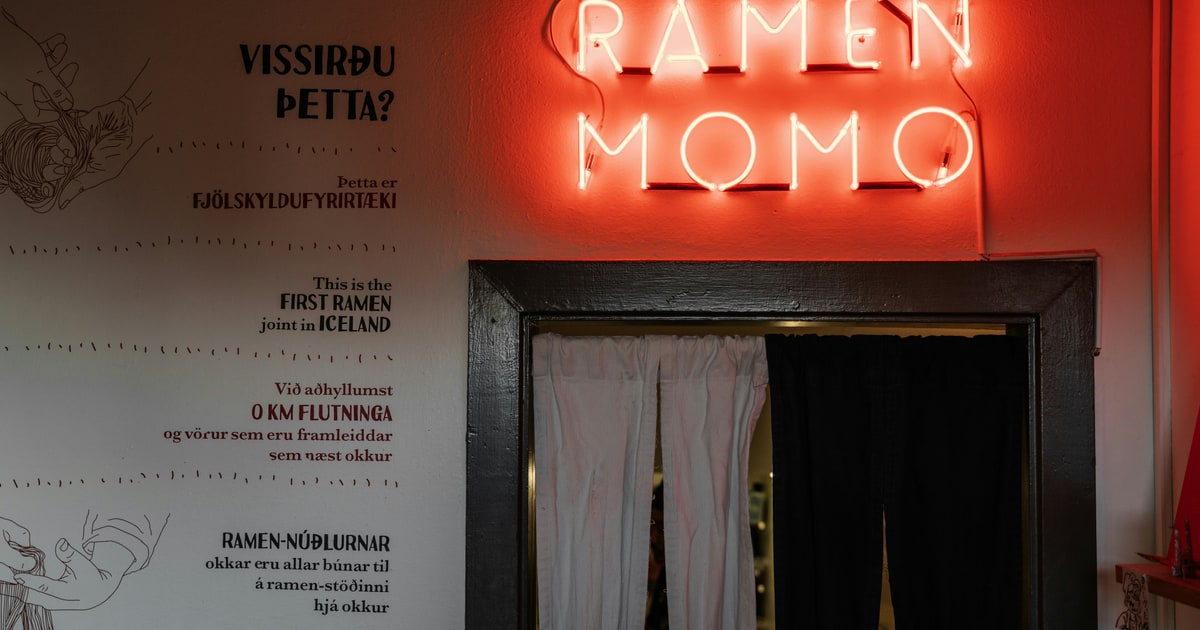
Is Wagamama Halal?
Wagamama is not halal certified. The pan-Asian restaurant chain, known for its ramen, rice dishes, and gyoza, does not source its chicken, beef, or other meat from halal-certified suppliers. There is no halal certification body overseeing any aspect of Wagamama’s supply chain or food preparation in the UK or globally.
For Muslim consumers, this means all meat-containing dishes at Wagamama — which form the majority of the menu — should be avoided. The chain also serves pork, which adds a cross-contamination consideration for vegetarian and plant-based options.
Wagamama UK Halal Status
Wagamama has confirmed to customers that it does not serve halal meat and that its restaurants are not halal certified. This position is consistent across all UK locations. Wagamama has not announced plans to introduce halal certification or a halal-specific menu.
Several factors compound the concern for Muslim diners at Wagamama:
- Pork is on the menu. Wagamama serves pork belly ramen, pork gyoza, and other pork-containing items. Pork is prepared in the same kitchen as other dishes, creating cross-contamination risk even for meat-free options.
- Shared kitchen and wok cooking. Wagamama’s kitchen uses shared cooking equipment. Woks used for vegetable stir-fries are the same woks used for non-halal meat and pork dishes. This is a significant cross-contamination concern.
- Broths and stocks. Several Wagamama soups and ramen dishes use meat-based broths. Even if a dish looks vegetarian on the surface, the broth or sauce base may be derived from non-halal or pork-containing stocks. Always check the allergen menu and ask staff.
- Gyoza (dumplings): Both pork and chicken gyoza are on the menu. Even vegetable gyoza may be cooked in the same pans or steamers as pork gyoza.
- No separate halal preparation area. Wagamama does not maintain halal-designated prep areas or cooking stations.
Wagamama Menu: What to Consider
Avoid (contains non-halal meat or pork):
- All chicken dishes (teriyaki, katsu curry, rice bowls) — chicken not halal slaughtered
- All beef dishes — not halal slaughtered
- All pork dishes (chilli pork ramen, pork gyoza, pork belly) — haram
- Any dish with meat-based broth — likely non-halal/pork derived
- Gyoza (unless confirmed vegetable, and with cross-contamination accepted)
Plant-based and vegetarian options (with cross-contamination caveat):
- Vegetable gyoza — no meat ingredients but shared preparation
- Yasai pad thai (vegetable pad thai) — no meat, but shared wok
- Amai udon (sweet soy udon) — typically vegetarian
- Edamame — whole, boiled beans, minimal processing risk
- Miso soup — depends on the miso and broth base; dashi (fish-based stock) is commonly used in Japanese cuisine, not pork-derived
Vegan dishes: Wagamama has expanded its vegan menu significantly. Vegan dishes exclude animal products entirely, but they are still prepared in the same kitchen as pork and non-halal meat. For Muslims who are comfortable with shared kitchen preparation (and no halal certification), some vegan options may be acceptable.
Wagamama and Japanese Food: The Miso & Dashi Question
Many Wagamama dishes use dashi — a Japanese stock made from kombu (seaweed) and katsuobushi (dried bonito fish flakes). Fish-based dashi is not pork-derived and is not haram in itself, though it is not halal certified.
Miso soup at Wagamama is typically made with dashi. The miso paste itself is fermented soybean paste and is generally permissible. The dashi base (fish) is permissible unless there is a contamination concern with other ingredients.
However, at Wagamama the production environment means no clean halal guarantee is available for any item on the menu.
Ingredients & E-Code Check
Wagamama sauces and marinades contain various additives:
E621 (Monosodium glutamate / MSG) — Widely used in Asian cuisine. Generally considered halal — produced by fermentation of plant-based material. No porcine concern.
E150d (Caramel colouring IV, ammonia-sulfite process) — May be present in soy-based sauces and teriyaki glazes. Generally considered halal by most scholars.
E211 (Sodium benzoate) — A preservative in some sauces. Synthetically produced, generally halal.
E415 (Xanthan gum) — Used as a thickener. Produced by bacterial fermentation. Generally halal.
E635 (Disodium 5’-ribonucleotides) — A flavour enhancer that may be present in some Wagamama seasonings and broths. Can be derived from meat or fish. Requires halal sourcing confirmation.
Soy sauce: Wagamama uses soy sauce extensively. Traditional soy sauce (shoyu) is brewed from soybeans and wheat and is halal. Some soy sauces contain trace alcohol from the fermentation process — at these trace levels, most scholars consider it permissible. Tamari soy sauce is wheat-free but similarly brewed.
Summary
| Factor | Detail |
|---|---|
| Halal Certification | No — not certified anywhere |
| Meat Sourcing | Non-halal slaughter (chicken, beef) |
| Pork on Menu | Yes — ramen, gyoza, pork belly dishes |
| Shared Kitchen | Yes — woks and preparation shared with pork |
| Vegetarian Options | Available but not halal certified, shared kitchen |
| BDS Boycott | No active BDS campaign against Wagamama |
| Verdict | Not halal — mushbooh for vegetarian/vegan options (shared kitchen) |
Bottom line: Wagamama is not halal. All meat and poultry is non-halal slaughtered, pork is served in the same kitchen, and there is no halal certification or separate prep area. For Muslim diners, Wagamama is not a suitable option for meat dishes. Plant-based options are available but come with shared kitchen cross-contamination. If you are eating out for pan-Asian food, look for dedicated halal noodle and rice restaurants in your area.
Ingredients change. Be first to know.
Brands reformulate without warning. We track every E-code update and halal certification — one short weekly email.
Related Articles
 Shopping Guides
 Best Halal Restaurant Chains USA 2026
We checked four US restaurant chains with multi-city presence. The Halal Guys names three certifiers directly — but a widely repeated certification claim about Dave's Hot Chicken doesn't hold up.
 Shopping Guides
 Best Halal Burgers in Chicago 2026
Ten halal burger spots in Chicago and its suburbs, sorted by proof: HMS registry, certificate on the wall, owner's word, or halal on request only.
 Shopping Guides
 Is Costco Pizza Halal? Shared Oven, Toppings & Certification
Costco food court pizza is not halal — it contains pork pepperoni and uses shared ovens. Here's what halal-observant Costco shoppers need to know.