
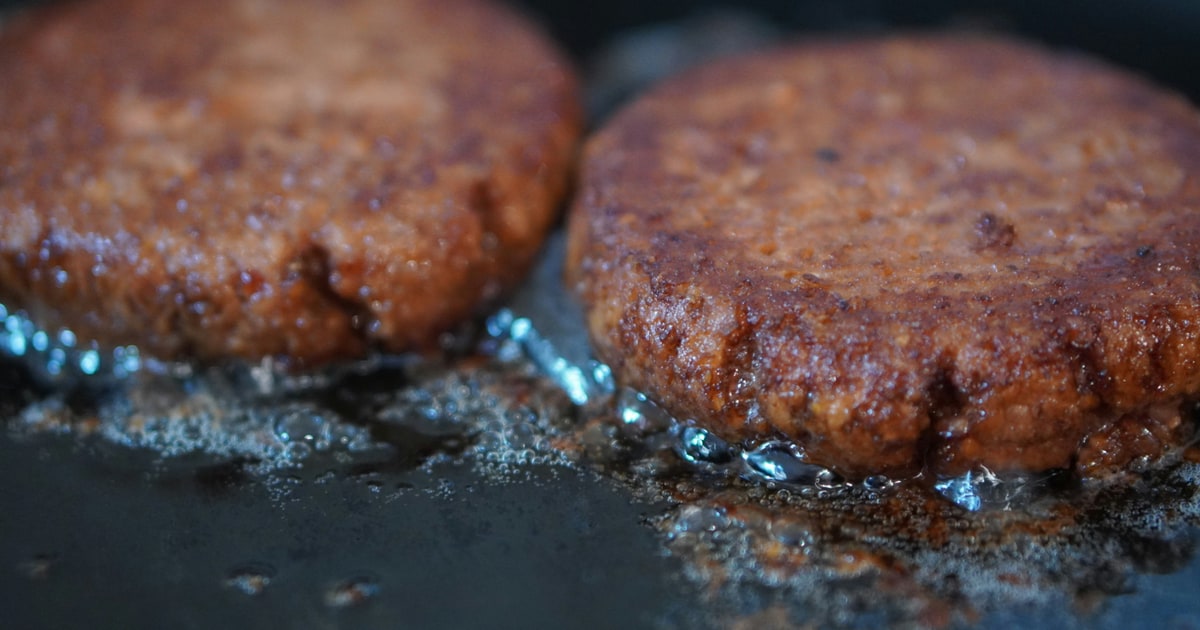
Quorn presents an interesting case: its core ingredient is a fungus, not an animal, and the primary concern is not pork or non-halal slaughter — it is the absence of formal halal certification. For many Muslim consumers, Quorn sits in a comfortable grey area where the ingredients are broadly permissible but the lack of third-party audit leaves a small residual uncertainty.
What Is Quorn Made From?
Quorn is made primarily from mycoprotein — a textured protein product derived from Fusarium venenatum, a micro-fungus found naturally in soil. The fungus is grown in large fermentation tanks using glucose (derived from wheat starch) as a nutrient source. After fermentation, the mycoprotein is harvested, processed, and blended with other ingredients to create the meat-substitute products.
The key facts about mycoprotein from a halal perspective:
- It is not derived from any animal
- It does not involve any pork-derived materials
- The fermentation process does not produce alcohol in the product
- Fungi are treated as permissible food across all four Sunni madhabs
The Egg White Question
Most standard Quorn products — mince, pieces, fillets, sausages — contain egg white as a binding agent. Egg white performs a similar structural role to gluten in some plant-based products, giving Quorn its characteristic texture.
Egg white is halal. There is no scholarly controversy about eggs from permissible birds. The presence of egg white does not make Quorn problematic from a halal standpoint.
However, the egg white in Quorn means the product is not suitable for vegans in its standard form. Quorn’s vegan range replaces egg white with potato starch or another plant-based binder.
Quorn’s Certification Status
Quorn Foods does not hold halal certification from HMC, HFA, JAKIM, or any other major halal authority. The company markets its products to vegetarians and vegans but has not sought formal halal certification for its UK range.
This means:
- The ingredients have not been independently audited by a halal certification body
- The supply chain for glucose, flavourings, and other inputs has not been verified to halal standards
- The production facility has not been inspected for cross-contamination protocols under halal requirements
For consumers who require formal certification — particularly those following HMC-strict standards — this is sufficient reason to classify Quorn as Mushbooh.
For consumers who follow a broader scholarly view (permissibility based on ingredient analysis rather than requiring formal certification), Quorn’s standard products are generally considered acceptable.
Product-by-Product Analysis
Quorn Mince (standard)
Ingredients: mycoprotein (88%), rehydrated free range egg white, natural flavouring, yeast extract. No pork, no alcohol, no haram ingredients. Egg white present.
Verdict: Permissible by ingredient — not formally certified.
Quorn Mince (vegan)
Ingredients: mycoprotein, potato starch, natural flavouring, yeast extract. No egg, no animal products of any kind.
Verdict: Fully permissible by ingredient — not formally certified. Best option for those seeking maximum ingredient clarity.
Quorn Chicken-Style Pieces (standard)
Contains mycoprotein, egg white, and flavourings. No pork, no alcohol.
Verdict: Permissible by ingredient — not formally certified.
Quorn Sausages
The standard sausages contain egg white and various flavourings. Review the specific flavouring list on the current pack, as formulations can change. No pork is used.
Verdict: Permissible by ingredient — verify current formulation.
Quorn Deli Slices / Bacon-Style Strips
Quorn produces products that mimic the appearance of bacon or ham, but these do not contain pork. They are flavoured mycoprotein. The “bacon” and “ham” flavourings should be checked for source — in certified Quorn products these would require halal flavouring; in uncertified products, the source is unverified.
Verdict: Mushbooh — flavouring source unverified for these specific products.
Comparing Quorn to Meat Substitutes
| Product | Pork | Haram Ingredients | Halal Certified | Verdict |
|---|---|---|---|---|
| Quorn (standard) | None | None identified | No | Permissible / Mushbooh |
| Quorn (vegan range) | None | None identified | No | Permissible / Mushbooh |
| Beyond Meat | None | None identified | No | Permissible / Mushbooh |
| Halal-certified plant alternatives | None | None | Yes | Halal |
What “Vegan” Labels Mean for Muslim Consumers
A common shortcut is to treat vegan-labelled food as halal. This is not a reliable rule:
- Vegan products exclude all animal products (meat, dairy, eggs, honey) but have no requirement to avoid alcohol or other haram substances.
- Some vegan products are processed in facilities shared with alcohol-based flavourings or non-halal products.
- “Vegan” is an ethical label, not a religious certification.
For Quorn specifically, the vegan range is the most straightforward from an ingredient perspective, but it is still not formally certified as halal.
Practical Guidance
For Muslim consumers evaluating Quorn:
- Check whether the specific product is from the vegan range — these have the simplest ingredient profile.
- Read the current ingredient list — Quorn formulations occasionally change; flavourings and additives may be updated.
- If you follow HMC-strict standards, the absence of certification is reason enough to avoid Quorn and choose formally certified plant-based alternatives instead.
- If you follow a broader mainstream ruling, standard Quorn products are generally considered permissible based on ingredient analysis, subject to the flavouring caveat on bacon/ham-style products.
Summary
| Factor | Detail |
|---|---|
| Mycoprotein | Fungal — no animal origin, halal |
| Egg white (standard range) | Permissible — eggs from permissible birds |
| Pork content | None |
| Alcohol content | None |
| Halal certification | Not held — no HMC/HFA/JAKIM cert |
| Vegan range | No egg — simplest ingredient profile |
| Bacon/ham-style products | Mushbooh — flavouring source unverified |
| Verdict (ingredient analysis) | Generally permissible |
| Verdict (certification required) | Mushbooh — not certified |
Use the E-codes database to check any additive code on a Quorn packet. Scan the full ingredient list with the ingredient scanner.
How we reached this verdict
- Quorn Foods ingredient lists: Reviewed across product range for pork, alcohol, and animal-derived additives.
- UK scholarly opinion: Majority of UK Islamic scholars who have commented on Quorn treat mycoprotein as a fungal product — permissible. The egg white is uncontroversially halal.
- Certification databases (HMC, HFA): Confirmed Quorn holds no current halal certification in the UK.
Madhab note
Fungi are considered permissible food across all four Sunni madhabs. Eggs from permissible birds (chicken, duck, etc.) are permissible across all four madhabs. The absence of formal certification is a procedural concern rather than an ingredient concern for standard Quorn products. HMC-strict households follow the position that independent certification is required for any processed food regardless of ingredient transparency; mainstream Hanafi-Deobandi and Maliki positions accept ingredient analysis where ingredients are clearly disclosed.
Ingredients change. Be first to know.
Brands reformulate without warning. We track every E-code update and halal certification — one short weekly email.
Related Articles
 Ingredient Guides
 Is The Ordinary Multi-Peptide Eye Serum Halal? INCI Checked (2026)
The Ordinary's Multi-Peptide Eye Serum is PETA-certified vegan, alcohol-free, and its peptides are synthetic — permissible to use, though not halal-certified.
 Ingredient Guides
 Is Dog Food Halal? The Question Behind the Question
No halal-certified dog food exists — but the purchase rules are the same as cat food. The dog ownership rulings, the madhab split, and what Muslim dog owners can buy.
 Ingredient Guides
 Is Cat Food Halal? What Muslim Cat Owners Need to Know
Cats don't have to eat halal — but buying cat food containing pork or carrion is where scholars differ. The full ruling, plus what's actually in the tin.