
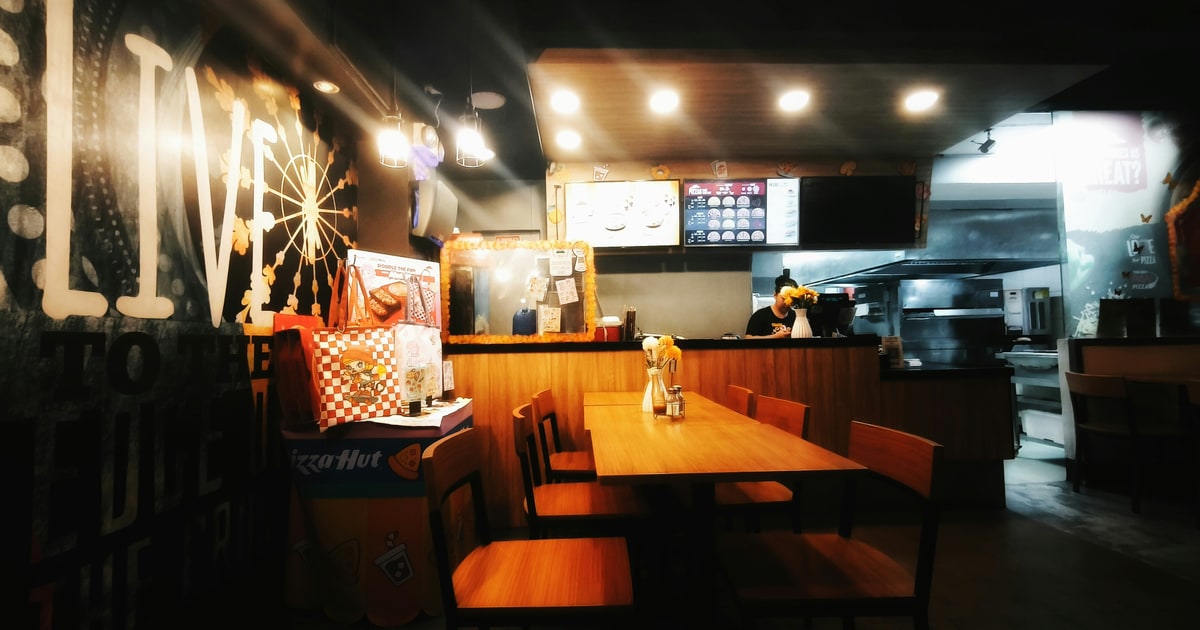
Is Pizza Hut Halal?
Pizza Hut UK is mostly not halal — with one delivery exception. Standard Pizza Hut restaurants and delivery locations across Great Britain use meat that is not halal-slaughtered. However, Pizza Hut UK has converted a small number of designated Halal Delivery Huts where all meat is halal certified and no pork is handled at all — the full official branch list is below. No dine-in restaurant serves halal products.
Beyond the meat concern, Pizza Hut raises an additional question that is specific to pizza: the halal status of the cheese.
The Rennet Question: Pizza Hut Cheese
Pizza Hut UK uses mozzarella cheese produced with animal rennet. Rennet is an enzyme used to coagulate milk into cheese. Animal rennet is derived from the stomach lining of calves, lambs, or goats.
The halal status of cheese made with animal rennet is a matter of scholarly debate within Islamic jurisprudence:
- Some scholars hold that cheese made with animal rennet from a non-halal animal is impermissible (haram), as the rennet derives from a non-halal source.
- Other scholars permit it on the basis that rennet undergoes such transformation during the cheesemaking process that its original character is lost (istihalah).
- Microbial or vegetarian rennet avoids this controversy entirely. Pizza Hut UK does not use vegetarian rennet as standard. We cover the animal vs microbial rennet debate in depth in our guide on whether mozzarella is halal.
For Muslim consumers who follow stricter interpretations, even vegetarian Pizza Hut options are problematic due to the cheese. For those who follow more lenient scholarly opinions on rennet, vegetarian pizzas without meat toppings may be acceptable — though still not halal certified and still subject to cross-contamination.
Pizza Hut UK Halal Status
Pizza Hut UK’s dine-in restaurants hold no halal certification — but the picture changed for delivery: Pizza Hut has rolled out fully halal menus at a small number of designated Halal Delivery Huts (see the list below). Everywhere else, the standard position applies.
Concerns at standard (non-halal) Pizza Hut UK stores:
- Pepperoni — made from pork. Present in the kitchen and on preparation surfaces.
- Shared ovens and surfaces — vegetarian and meat pizzas are prepared in the same ovens, increasing cross-contamination risk.
- Chicken BBQ and chicken toppings — not halal slaughtered.
- Pasta dishes — meat sauces use non-halal meat; no halal option available.
- Salad bar — generally free from meat concerns, though dressings may contain non-halal additives.
Are There Halal Pizza Hut Branches in the UK?
Yes — Pizza Hut UK has rolled out halal products at a small number of stores. Per Pizza Hut UK’s own statement, all meat in these stores is halal certified, and the stores handle no pork ingredients at all — pork items are replaced with halal seasoned beef, halal beef pepperoni, halal turkey, halal chicken topping, and halal beef bacon.
The named Halal Huts are: Barking, Bethnal Green, Bradford South, Canary Wharf, Cardiff, Coventry South, East Ham, Edgbaston, Edmonton, Forest Gate, Headingley, High Wycombe, Ilford, Kings Heath, Langley, Luton Park Street, Oldham East, Otley Road, Pollokshields, Ponders End, Reading West, Sheldon, Slough, Southall, Southgate, Walthamstow, West Hammersmith, West Norwood, and Willesden.
Three things to know before ordering:
- Delivery Huts only. Pizza Hut states: “We currently only have Halal Delivery huts and none of our Dine-In Restaurants have halal products.” A halal town on the list does not make the local dine-in restaurant halal.
- Supplier-level certification. Pizza Hut’s meat suppliers are halal certified and certificates are available on request via the customer care team; Pizza Hut does not name the certifying body in its public statement, so HMC-only followers should request the certificate before ordering. Each converted hut was deep-cleaned and restocked with halal-compliant menu items.
- The cheese question remains. Pizza Hut’s halal statement covers the meat, not the mozzarella — the rennet concern described above applies at Halal Huts too, and sides at these stores are suitable for vegetarians rather than halal certified.
Is Pizza Hut Pepperoni Pork or Beef?
Pizza Hut pepperoni in the UK and US is made from pork, and in some markets (such as Canada) it is a pork-and-beef blend — either way, it is haram. There is no beef-only or halal pepperoni on standard Pizza Hut menus in Western countries.
- Any pizza listing “pepperoni” at a standard Pizza Hut UK store contains pork; this includes sharing boxes and stuffed-crust ranges that bundle pepperoni by default. The one exception: the designated Halal Delivery Huts listed above serve halal beef pepperoni instead — no pork enters those stores.
- Because pepperoni is handled throughout the kitchen, even non-pepperoni pizzas share preparation surfaces with pork.
- In halal-certified markets (Pakistan, UAE, Saudi Arabia, Malaysia), “pepperoni” is beef or chicken based and pork-free — the same menu name means a different product.
For a full breakdown of how pepperoni is made and when it can be halal, see our guide on whether pepperoni is halal.
Pizza Hut Halal Status Globally
| Country | Halal Status |
|---|---|
| United Kingdom | Not halal certified |
| United States | Not halal certified |
| Canada | Not halal certified |
| Australia | Not halal certified |
| Saudi Arabia | Fully halal certified |
| UAE | Fully halal certified |
| Malaysia | Fully halal certified |
| Indonesia | Fully halal certified |
| Pakistan | Fully halal certified |
| Turkey | Fully halal certified |
| India | Halal-sourced chicken; restaurants not certified |
In Muslim-majority markets, Pizza Hut operates fully halal-certified restaurants with no pork on the menu and halal-certified meat toppings. The cheese issue may also be addressed through the use of vegetarian rennet in some of these markets — but this varies by country. At the other end of the spectrum, Pizza Hut New Zealand states outright that its food “does not include Halal standards” and no NZ store is certified — the practical position for Australia and Canada is the same.
Is Pizza Hut Halal in India?
Partially. Pizza Hut India has stated publicly — on its official X account — that “all chicken used for making Pizza Hut topping is procured from Halal certified supplier,” and later that all its meat products come from halal-certified vendors. Its restaurants, however, are not halal certified as establishments.
- Halal-sourced chicken is not the same as a certified halal restaurant: the Indian certifier Jamiat Ulama-i-Hind Halal Trust confirms it has not certified Pizza Hut or the other multinational chains.
- The menu in India is pork-free by market convention, which removes the pepperoni problem but not the rennet or kitchen-audit questions.
Is Pizza Hut Halal in the USA?
No. Pizza Hut has no halal-certified locations in the United States, and no US branch offers halal meat options. The pepperoni is pork, and meat toppings are not from halal-slaughtered animals.
- The mozzarella on US pizzas is reported to use microbial fermentation, but the Parmesan Romano blend used on some items (breadsticks, certain pizzas) contains animal-based rennet — per the Vegetarian Resource Group’s correspondence with Pizza Hut.
- For US Muslims, the practical position mirrors the UK: meat items are haram; cheese-only items are Mushbooh at best given shared kitchens.
What to Order / What to Avoid
Avoid at Pizza Hut UK:
- All meat-topped pizzas (chicken, beef, pepperoni/pork)
- Any pizza with pepperoni, as pork is present in the kitchen
- Pasta dishes with meat sauces
Uncertain (scholarly difference applies):
- Cheese on any pizza — animal rennet concern
- Vegetarian pizzas — no meat, but shared kitchen, animal rennet cheese
Relatively safe (lower risk, no meat):
- Garden salad with undressed leaves
- Garlic bread (check if butter is from halal-verified source)
- Soft drinks and desserts (check for gelatine in desserts)
Desserts — check for gelatine: Pizza Hut desserts, including some ice cream products and confectionery, may contain gelatine. Gelatine is typically derived from pork bones unless specifically stated to be from a vegetarian or halal source. Always check before ordering.
Ingredients & E-Code Check
E471 (Mono- and diglycerides of fatty acids) — Likely present in Pizza Hut dough and sauces. Can be animal-derived. Without halal certification, source cannot be confirmed.
E472e (DATEM — Diacetyl tartaric acid esters of mono- and diglycerides) — Used in pizza dough for texture. Same animal-derivation concern as E471.
E120 (Cochineal / Carmine) — Insect-derived red dye. Classified as haram by most scholars. Could be present in some pizza sauce or topping colourings.
E441 (Gelatine) — If present in desserts or glazes, pork-derived gelatine is haram. Check dessert ingredients carefully.
E631 / E635 (Disodium inosinate / Disodium ribonucleotides) — Flavour enhancers that may be meat-derived. Found in some seasoning blends used in pizza toppings.
BDS / Boycott Status
Pizza Hut is owned by Yum! Brands, the same parent company as KFC and Taco Bell. Yum! Brands operates Pizza Hut franchises in Israel.
As a Yum! Brands subsidiary, Pizza Hut has been included in boycott lists circulated by BDS-aligned organisations and Muslim consumer groups since October 2023. The concerns are the same as those raised about KFC — Yum! Brands’ continued franchising operations in Israel.
Pizza Hut’s BDS profile is somewhat lower than KFC and McDonald’s, but it falls under the same corporate umbrella. Muslim consumers who choose to boycott Yum! Brands for BDS reasons would include Pizza Hut in that decision.
Summary
| Factor | Detail |
|---|---|
| Halal Certification (UK) | No — not certified |
| Meat Sourcing | Non-halal slaughter |
| Cheese | Animal rennet — point of scholarly debate |
| Pork on Menu | Yes — pepperoni on many pizzas |
| Shared Kitchen | Yes — cross-contamination risk |
| Gelatine in Desserts | Possible — check each item |
| BDS Boycott | Active — Yum! Brands Israel operations |
| Verdict | Not halal — mushbooh for vegetarian options (rennet) |
Bottom line: Pizza Hut UK is not halal certified. Meat products are haram. Even vegetarian options carry concerns due to animal rennet in the cheese and shared kitchen practices. If you are strict about halal, Pizza Hut UK is not a suitable option. In Muslim-majority countries, Pizza Hut is halal certified and a safe choice. Wondering how the competition compares? See our guide on whether Domino’s Pizza is halal.
Ingredients change. Be first to know.
Brands reformulate without warning. We track every E-code update and halal certification — one short weekly email.
Related Articles
 Shopping Guides
 Best Halal Restaurant Chains USA 2026
We checked four US restaurant chains with multi-city presence. The Halal Guys names three certifiers directly — but a widely repeated certification claim about Dave's Hot Chicken doesn't hold up.
 Shopping Guides
 Best Halal Burgers in Chicago 2026
Ten halal burger spots in Chicago and its suburbs, sorted by proof: HMS registry, certificate on the wall, owner's word, or halal on request only.
 Shopping Guides
 Is Subway Halal? How to Find Halal Stores Worldwide (2026)
Some Subway UK locations are dedicated halal stores with certified meat. Learn how to find them, what's on the halal menu, and Subway's global halal status.