
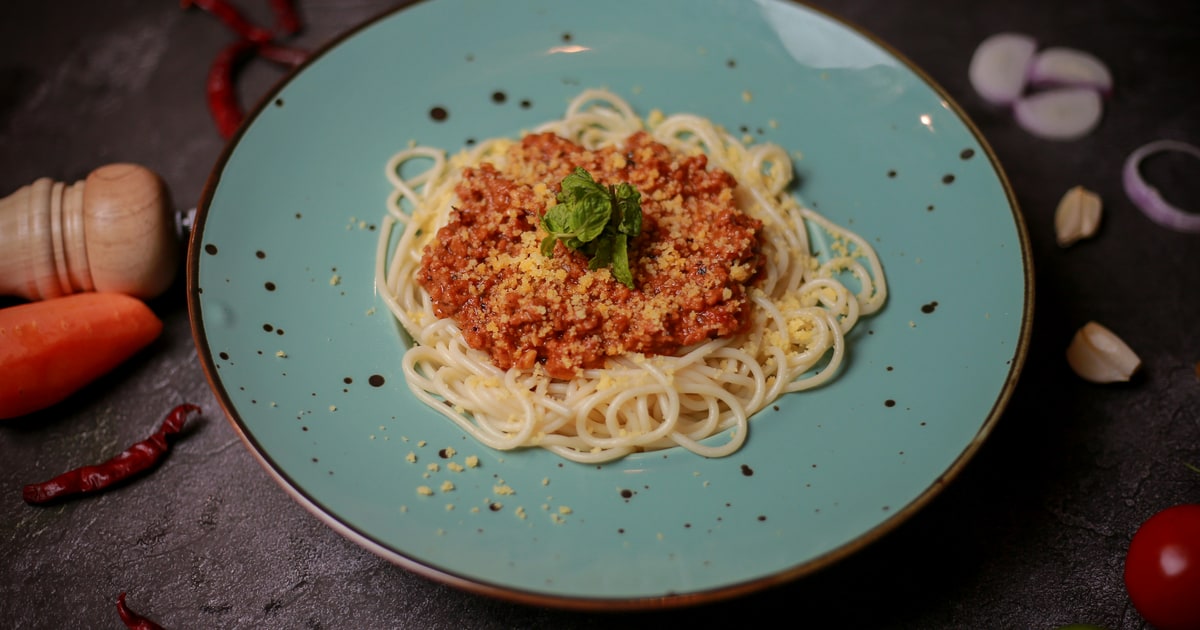
Authentic Parmigiano-Reggiano is not halal for most positions — Mushbooh at best, Haram for strict positions — because its PDO rules mandate calf rennet with no zabiha verification. Generic parmesan-style cheese labelled “suitable for vegetarians” is halal.
Parmesan is the one cheese where the halal question has a uniquely legal dimension. The authentic version — Parmigiano-Reggiano — is protected under EU and UK Geographical Indications law. Its production rules are written into regulation. And one of those rules is that it must be made with calf rennet.
This is not a manufacturer choice you can lobby them to change. It is baked into what Parmigiano-Reggiano legally is.
What Is PDO Protection?
PDO stands for Protected Designation of Origin. A PDO cheese must be produced in a specific geographic region using a specific production method. Parmigiano-Reggiano has held PDO status since 1996 under EU regulation (and continues to be recognised under UK Geographical Indications post-Brexit).
The Parmigiano-Reggiano Consortium sets the production rulebook (the Disciplinare di Produzione). Under this rulebook:
- Milk must come from cows in the Parma, Reggio Emilia, Modena, Bologna, or Mantua provinces of Italy
- The cheese must age for a minimum of 12 months
- Rennet must be natural calf rennet — extracted from the stomach lining of a slaughtered calf
A cheese produced with microbial rennet or FPC cannot legally be called Parmigiano-Reggiano. If you see that name on a wedge or packet, animal rennet was used.
The Halal Status of Parmigiano-Reggiano
Verdict: Mushbooh for lenient positions; Haram for strict positions. Not halal without specific zabiha certification — standard commercial Parmigiano-Reggiano does not carry halal certification; only a few specialist certified lines do.
Calf rennet is extracted from the abomasum (fourth stomach) of a slaughtered calf. The halal status of this depends on whether the calf was slaughtered according to Islamic requirements (zabiha).
In Parmigiano-Reggiano production:
- There is no requirement for zabiha slaughter
- Calves are not slaughtered under any Islamic protocol
- The Consortium does not offer a halal-certified production stream
This means the calf rennet in all authentic Parmigiano-Reggiano comes from non-zabiha-slaughtered animals.
Scholarly positions:
- Hanafi — internally split (see the breakdown below): the classical position permits rennet from lawful animal species regardless of slaughter; other Hanafi authorities advise caution
- Some Maliki scholars: More lenient on rennet; the transformation of the extract may be considered sufficient
- Hanbali / Shafi’i mainstream: Treat as not permissible without zabiha verification
Is Parmesan Halal in the Hanafi School?
The Hanafi school is internally split on cheese rennet. The classical position of Imam Abu Hanifa — upheld in a published Askimam fatwa — holds that rennet from a lawful animal species is pure and lawful to consume “regardless if it is slaughtered in accordance to Shariah or not.” This is why some contemporary Hanafi muftis permit cheese made with animal rennet.
- Other Hanafi authorities advise caution in practice: Darul Ifta Birmingham’s ruling on rennet notes the split (Imam Abu Hanifa and Imam Malik hold it pure; Imam Abu Yusuf and Imam Muhammad rule it impure) and concludes it is “more precautious” to refrain when the source animal was not Islamically slaughtered.
- Because respected Hanafi authorities disagree, our verdict stays at Mushbooh at best for Parmigiano-Reggiano — doubt between valid positions is exactly what Mushbooh means.
- If you follow a specific mufti who permits animal-rennet cheese, that is a recognised position; this page publishes the cautious mainstream view.
Other PDO Italian Cheeses with the Same Problem
Parmigiano-Reggiano is not alone. Other Italian PDO cheeses that mandate animal rennet:
| Cheese | PDO requirement | Verdict |
|---|---|---|
| Parmigiano-Reggiano | Calf rennet (required) | Not halal |
| Grana Padano | Calf rennet (required) | Not halal |
| Pecorino Romano | Lamb rennet (required) | Not halal |
| Pecorino Toscano | Animal rennet (typical) | Not halal |
| Provolone Valpadana | Lamb or calf rennet | Not halal |
| Asiago | Calf rennet (typical) | Not halal |
If you see a PDO stamp (the yellow and blue EU logo, or the UK equivalent) on an Italian hard cheese, treat the rennet as animal-derived.
Generic Parmesan: A Different Story
The name “parmesan” alone — without the Parmigiano-Reggiano designation — is not legally protected in the same way outside Italy. (Italy attempted to enforce exclusivity; the ruling was complex and country-specific.)
In the UK, you will find:
- “Parmesan” or “Italian Hard Cheese” or “Parmesano-style cheese” — made by UK and EU producers outside the PDO zone
- These products are not bound by PDO production rules
- They may use microbial rennet or FPC
The test: Look for “suitable for vegetarians” on the packet. If that mark is present, the rennet is non-animal — microbial or FPC. This makes the parmesan-style cheese halal.
Examples readily available in UK supermarkets:
- Tesco Italian Hard Cheese (vegetarian) — carries vegetarian mark, uses microbial rennet
- Sainsbury’s Parmesan Style (check current label) — some lines carry vegetarian mark
- ASDA Parmesan (check for vegetarian mark)
- Grana Padano own-brand alternatives labelled suitable for vegetarians
Always verify the current label — formulations can change. The same rennet check applies to cheddar and UK cheese brands.
How to Buy Halal Parmesan in Practice
- Avoid anything labelled Parmigiano-Reggiano — animal rennet guaranteed
- Avoid anything labelled Grana Padano, Pecorino Romano, or other PDO Italian cheeses
- Buy any parmesan-style or Italian hard cheese with a “suitable for vegetarians” label
- Alternatively: Nutritional yeast gives a parmesan-like umami flavour in cooking and is plant-based and halal
Is There Halal-Certified Parmigiano-Reggiano?
Yes — a small number of Italian producers now make genuine Parmigiano-Reggiano PDO with rennet from halal-slaughtered calves, certified by Halal Italia (the Italian halal certification body). This works because the PDO rulebook mandates calf rennet, not non-zabiha calf rennet — so zabiha-sourced calf rennet satisfies both the Consortium and Islamic requirements.
- The Italian specialist retailer Gourm.it lists a Halal Italia–certified Parmigiano Reggiano whose only ingredients are milk, salt and certified halal rennet (availability fluctuates)
- These are specialist exports, not UK supermarket stock — for everyday shopping, the “suitable for vegetarians” test on parmesan-style cheese remains the practical route
Any wedge without this specific halal certification falls back to the standard verdict above: animal rennet, no zabiha verification.
Is Pre-Grated Parmesan Halal?
Is Kraft Grated Parmesan Halal?
Kraft Grated Parmesan is Mushbooh — closer to halal than authentic Parmigiano-Reggiano, but with one label check left. Kraft has stated its grated parmesan uses microbial rennet, not animal rennet (per the Vegetarian Resource Group’s correspondence with Kraft), which removes the biggest concern.
- The remaining catch is lipase: Kraft has confirmed that where “lipase” appears on its cheese labels, it is animal-derived. Check the ingredient line of the pack you are holding — no lipase listed means the rennet-and-enzymes picture is clean.
- Kraft holds no halal certification for this product, so this is an ingredient-based assessment, not a certified one.
- Formulations differ by market — the US shaker’s cellulose (anti-caking) and potassium sorbate are plant/synthetic and not a concern.
Pre-grated parmesan products sold in jars or pouches carry the same question. If the product names Parmigiano-Reggiano as the cheese, it uses animal rennet. If it says “Italian hard cheese” or “parmesan-style” and carries a vegetarian mark, it may be halal.
Products like Kraft Grated Parmesan (sold in the US and some UK stores) use generic parmesan — check current labelling for vegetarian marks and E-code list. Parmesan also turns up as a hidden ingredient elsewhere: see parmesan rennet hiding in Caesar dressing.
Vegetarian Parmesan-Style Cheese: What You Are Actually Getting
Vegetarian “parmesan” uses microbial rennet or fermentation-produced chymosin (FPC) — see how microbial rennet and FPC are produced. The taste is very close to the original — FPC in particular produces the same enzyme (chymosin) that natural calf rennet contains. From a flavour perspective, most people cannot distinguish them in cooked dishes. For halal shoppers, this is the practical replacement for Parmigiano-Reggiano.
Summary Table
| Factor | Detail |
|---|---|
| Main concern | Animal rennet mandated by PDO law |
| Parmigiano-Reggiano (PDO) | Haram / Mushbooh — calf rennet required; no zabiha option |
| Grana Padano (PDO) | Haram / Mushbooh — same PDO rennet requirement |
| Generic parmesan / Italian hard cheese | Halal if labelled “suitable for vegetarians” |
| Practical test | ”Suitable for vegetarians” = microbial/FPC rennet = halal |
| Verdict | Avoid PDO Italian hard cheeses; buy vegetarian-labelled alternatives |
For a full guide to rennet types and scholarly positions, see Is Rennet Halal?. Search all cheese-related E-codes in the E-codes database.
See this same “enzymes” ambiguity on a real frozen entree in Is Michael Angelo’s Eggplant Parmesan Halal?.
Ingredients change. Be first to know.
Brands reformulate without warning. We track every E-code update and halal certification — one short weekly email.
Related Articles
 Ingredient Guides
 Is Processed Cheese Halal? Rennet, Emulsifying Salts and UK Brand Audit (2026)
Two separate issues: rennet source in the cheese itself, and emulsifying salts (E339, E450, E452) in processed slices. Dairylea, Kraft Singles, Philadelphia, Babybel — all checked.
 Ingredient Guides
 Is Mozzarella Halal? UK Brands & Rennet Sources (2026)
Mozzarella can use animal or microbial rennet. 'Suitable for vegetarians' confirms microbial rennet — halal. Buffalo mozzarella from Italy may use animal rennet. Full guide.
 Ingredient Guides
 Is Cheddar Cheese Halal? Rennet & UK Brands Checked (2026)
Cheddar cheese halal status depends on the rennet type. Cathedral City uses animal rennet. Pilgrim's Choice uses microbial. Here's how to check any brand.