
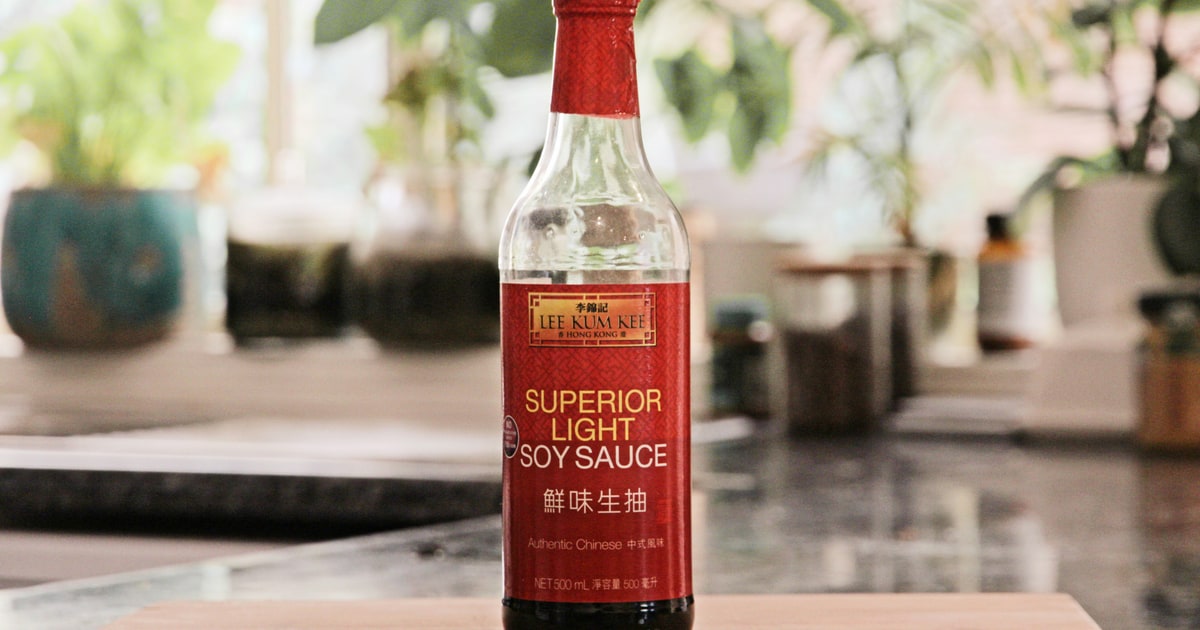
Oyster sauce is made from oysters — a seafood — and seafood is halal across all four Sunni madhabs. This places oyster sauce in a more permissible category than many people expect. The question is not really “are oysters halal?” but rather “is the specific oyster sauce product certified and free from other non-permissible additives?” The answer is yes for a growing range of certified products.
Are Oysters Halal?
Oysters are a bivalve mollusc. In Islamic dietary law, the question of whether specific seafood is permissible has been addressed by all four major schools of jurisprudence:
- Hanafi madhab: The Hanafi position permits all aquatic animals — those that live in water and die when removed from it. Oysters meet this definition and are halal under the Hanafi school.
- Maliki madhab: All sea creatures are halal. Oysters are explicitly permissible.
- Shafi’i madhab: All sea creatures are halal. Oysters are permissible.
- Hanbali madhab: All sea creatures are halal. Oysters are permissible.
There is scholarly consensus across all four madhabs that oysters are a permissible food. This is not a contested point.
What Is Oyster Sauce Made From?
Oyster sauce was originally made by simmering oysters in water until the liquid reduced and caramelised into a rich, brown, umami-rich sauce. Modern commercial oyster sauce typically contains:
- Water
- Sugar
- Salt
- Oyster extract (the concentrated oyster reduction)
- Starch (corn or wheat, for thickening)
- E150d (caramel colour — see note below)
The oyster extract is the defining ingredient. No pork is used in oyster sauce production. The primary other consideration is whether any additives are from impermissible sources.
E150d — Caramel Colour IV
Many oyster sauce brands use E150d (sulfite ammonia caramel) as a colouring agent to give the sauce its characteristic dark brown colour. E150d is a caramel colour produced by treating sugars with ammonia and sulfites under heat. It is derived from carbohydrate sources (sugar, corn syrup, or molasses) — not from animal products. E150d is halal.
Lee Kum Kee: UK Availability and Certification
Lee Kum Kee is the dominant oyster sauce brand in UK supermarkets (Tesco, Sainsbury’s, Asda, Waitrose, and Asian grocery chains). The brand was founded in China and produces a range of oyster sauce products:
Standard Lee Kum Kee (UK supermarkets)
The standard green and gold label Lee Kum Kee oyster sauce sold in mainstream UK supermarkets typically does not carry a halal certification logo. The ingredients are derived from permissible sources, but the lack of certification means the supply chain has not been independently audited.
Status: Permissible by ingredient analysis — not formally certified in standard UK retail format.
Lee Kum Kee (Halal-Certified Variant)
Lee Kum Kee produces a variant specifically for halal markets. This product carries JAKIM (Malaysia) certification and is available in UK halal supermarkets and some Asian grocery stores. The JAKIM-certified version covers both ingredient sourcing and production facility standards.
Status: Halal — look for the JAKIM logo on pack.
Identifying the Certified Variant
In UK halal supermarkets, the certified variant is typically stocked. To verify:
- Look for a halal certification logo (JAKIM, MUI, or another body) on the bottle.
- The label may read “Halal Certified” explicitly.
- If buying from a mainstream supermarket and no logo is present, consider switching to a certified variant.
Other Oyster Sauce Brands
Amoy
Amoy produces oyster sauce available in UK supermarkets. Similar to Lee Kum Kee standard, check the specific bottle for certification. Amoy is distributed by Ajinomoto and may carry certification on certain product ranges.
Own-Brand Asian Sauces
Some UK supermarket own-brand Asian sauces include oyster sauce variants. These vary by retailer; check for certification logos individually.
Vegetarian Oyster Sauce: A Fully Certified Alternative
For consumers who want the simplest possible halal verification, vegetarian oyster sauce provides an unambiguous option:
- Made from mushroom extract (typically shiitake or oyster mushrooms) rather than oysters
- No seafood content
- No animal-derived ingredients
- Available from several brands including Wok Mei, Lee Kum Kee’s own vegetarian range, and various halal supermarket own-brands
- Naturally halal from an ingredient standpoint
The flavour profile of mushroom-based oyster sauce is very similar to the seafood version — the glutamates in mushrooms create the same umami depth as the oyster extract. It is an effective culinary substitute as well as a halal substitute.
Using Oyster Sauce in Halal Cooking
Oyster sauce is a staple in Chinese, Thai, and Vietnamese cooking. It is used in:
- Stir-fries (beef with oyster sauce, chicken and oyster sauce)
- Noodle dishes
- Dipping sauces
- Braises and marinades
When cooking halal meals with oyster sauce, the sauce itself is not the risk — ensuring that the meat used in the dish is also halal-certified (for chicken, beef, lamb) is the primary consideration.
Summary
| Factor | Detail |
|---|---|
| Oysters as an ingredient | Halal — seafood, permitted across all four madhabs |
| Lee Kum Kee (standard UK) | Permissible by ingredient — no formal cert on standard UK label |
| Lee Kum Kee (JAKIM-certified) | Halal — available in UK halal supermarkets |
| Vegetarian oyster sauce | Halal — no seafood, plant-derived |
| E150d (caramel colour) | Halal — sugar/carbohydrate derived |
| Verdict | Halal (permissible) — prefer certified variant |
Look up any additive from an oyster sauce label in the E-codes database. Scan a full ingredient list with the ingredient scanner.
How we reached this verdict
- Islamic jurisprudence across four madhabs: Reviewed scholarly positions on the permissibility of bivalve molluscs. Consensus is clear: all four madhabs permit seafood including oysters.
- Lee Kum Kee product range: Confirmed availability of JAKIM-certified variants in UK halal retail.
- Ingredient analysis: Reviewed E150d, starch, and other additives for animal-derived origins — none found.
Madhab note
All four Sunni madhabs — Hanafi, Maliki, Shafi’i, and Hanbali — permit seafood including oysters and bivalve molluscs. The Hanafi position covers all creatures that live in water; oysters unambiguously fall within this category. There is no mainstream scholarly opinion within any of the four madhabs that prohibits oysters. Vegetarian/vegan oyster sauce is permissible under all madhabs.
Ingredients change. Be first to know.
Brands reformulate without warning. We track every E-code update and halal certification — one short weekly email.
Related Articles
 Ingredient Guides
 Is Sriracha Halal? A Guide to Halal Hot Sauces
Is sriracha halal? Most sriracha sauces are plant-based and halal — but not all. Here's what to check and the best verified halal hot sauces to buy.
 Ingredient Guides
 Is Worcestershire Sauce Halal? Anchovy & Vinegar Explained (2026)
Lea & Perrins contains anchovies and malt vinegar. Fish is halal; the vinegar is transformed from alcohol. Most Islamic scholars consider Worcestershire sauce halal.
 Ingredient Guides
 Is Vinegar Halal? Malt, Wine, Balsamic & Rice Vinegar (2026)
All vinegars undergo complete transformation from alcohol to acetic acid through istihalah. Malt, wine, balsamic, and rice vinegar are all halal. Full scholarly analysis.