
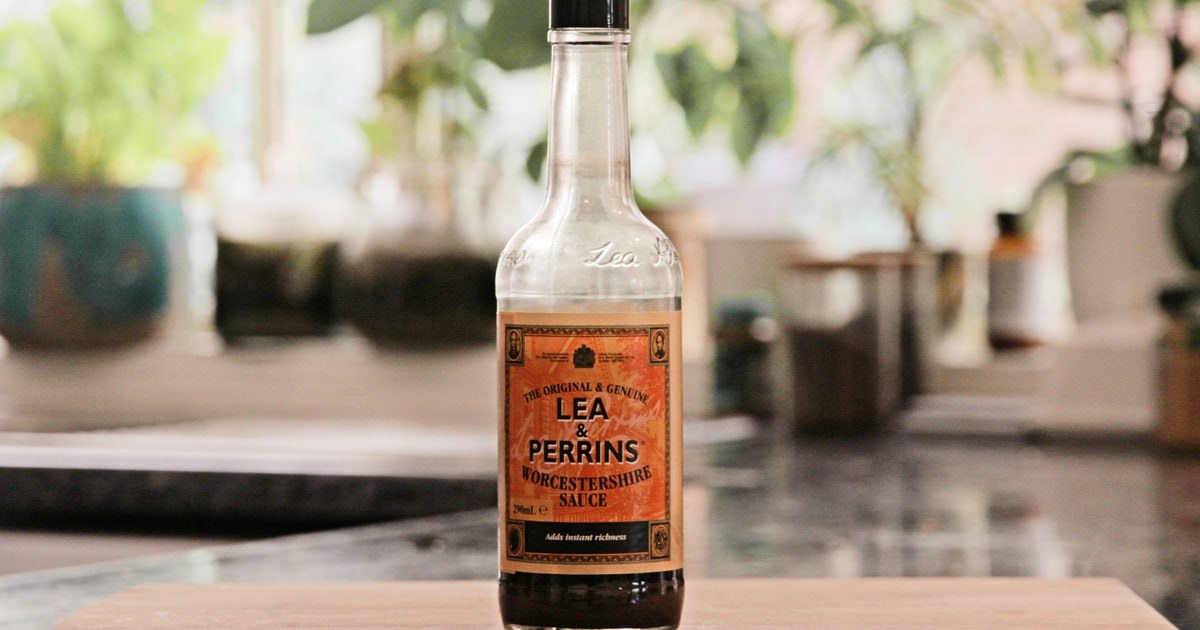
Fish sauce is fermented fish — and fish is halal. The production process involves no pork, no animal blood, and no deliberately introduced alcohol. The trace fermentation byproducts that arise during the months-long curing process do not, by the majority scholarly position, render the sauce impermissible. Fish sauce is a staple of Thai, Vietnamese, Filipino, and other Southeast Asian cuisines and is used extensively in halal cooking across Muslim-majority countries in the region.
What Is Fish Sauce?
Fish sauce (nam pla in Thai, nuoc mam in Vietnamese) is made by mixing fish — typically small fish such as anchovies, mackerel, or mixed small fish — with a large quantity of salt (roughly 3 parts fish to 1 part salt by weight). The mixture is packed into large vessels and left to ferment for between 12 months and 3 years. During this time, naturally occurring enzymes and bacteria break down the fish proteins into amino acids, creating the rich, complex umami flavour. The liquid that drains from the mixture is fish sauce.
The primary ingredients are therefore:
- Fish (halal)
- Salt (halal)
- Time and natural fermentation
Some brands add sugar, water, or flavour enhancers. The ingredient list is typically very short.
The Fermentation Question
The main halal concern raised about fish sauce is the possibility of alcohol production during fermentation. Here is the accurate picture:
What Happens During Fermentation
Fish sauce fermentation is predominantly protein hydrolysis (enzymes breaking proteins into amino acids) and salt-driven preservation. It is distinct from the alcoholic fermentation used to make wine or beer, which starts with carbohydrates (sugars) being converted to ethanol by yeast.
In fish sauce, there is little to no sugar substrate for yeast to act on at scale. Any trace ethanol that is produced is further broken down by other microbial activity during the long fermentation period. Studies on finished fish sauce products typically show alcohol content of 0.0–0.5% by volume — significantly below even non-alcoholic beverage standards (which are permitted up to 0.5% in many standards).
Scholarly Position
The majority scholarly position across all four Sunni madhabs holds that:
- Trace fermentation-derived alcohol at negligible concentrations does not render food haram.
- The test is whether the substance is intoxicating — fish sauce is categorically not intoxicating.
- Foods that naturally contain trace fermentation products (bread, yogurt, vinegar, ripe fruit) are permissible by consensus.
This position is consistent with the rulings of Darul Ifta Birmingham, major Indonesian and Malaysian halal bodies (who permit fish sauce in their cuisines), and scholarly opinion from Southeast Asian Muslim scholarship.
A minority stricter position holds that any measurable alcohol in a product should cause caution. For consumers following this stricter position, looking for a formally halal-certified fish sauce brand is the appropriate solution.
UK Brand Analysis
Tiparos
A Thai brand widely available in UK Asian grocery stores and some supermarkets. Ingredient list: fish extract, salt, sugar. Minimal additives. No pork, no deliberately added alcohol.
Status: Permissible by ingredient analysis. Check for halal certification logo on specific bottles — some variants carry Thai halal certification.
Squid Brand
One of the most recognisable Thai fish sauce brands. Ingredients: anchovy extract, salt, sugar. Available in UK Asian groceries.
Status: Permissible by ingredient analysis. Available with Thai halal certification in some markets; check pack.
Thai Taste
A UK-adapted brand found in mainstream UK supermarkets. Ingredients: fish sauce (anchovy, salt), water. Simple ingredient list.
Status: Permissible by ingredient analysis. No formal UK halal certification logo typically present; check current packaging.
Megachef
A premium Thai fish sauce brand with good availability in UK Asian supermarkets. Ingredient list is typically fish and salt only. Megachef has carried Thai halal certification on certain product variants.
Status: Permissible / check for certification.
Vietnamese Brands (Viet Huong / Flying Lion / Three Crabs)
Vietnamese fish sauce brands available in UK Asian supermarkets. These typically contain anchovy extract, water, sugar, and salt. Some carry certification for export to Muslim-majority markets.
Status: Permissible by ingredient analysis.
Halal Certification for Fish Sauce
Fish sauce is produced extensively in Thailand and Vietnam — both countries with significant Muslim minority populations. Thai and Vietnamese halal authorities certify fish sauce products for domestic use and export:
- Thailand: The Central Islamic Committee of Thailand (CICOT) certifies fish sauce products. Brands produced for Muslim communities in southern Thailand carry CICOT certification.
- Malaysia: JAKIM recognises certified fish sauce products for import.
- Indonesia: MUI certifies some imported fish sauce products.
If you require formal certification rather than ingredient-level analysis, look for these logos on the product.
Fish Sauce in Halal Cooking
Fish sauce is used widely across halal cuisines in Southeast Asia. Thai Muslim cooking (which is both halal and uses fish sauce extensively) demonstrates that the ingredient is considered permissible by Muslim communities closest to its production.
Common uses:
- Thai green and red curry (as a seasoning instead of or alongside soy sauce)
- Pad Thai noodles
- Vietnamese pho and noodle soups
- Stir-fries and marinades
- Dipping sauces
When cooking halal meat dishes using fish sauce, the sauce itself is not the concern — ensuring halal-certified chicken, beef, or lamb is the primary consideration.
Summary
| Factor | Detail |
|---|---|
| Fish content | Anchovy or mixed small fish — halal |
| Fermentation alcohol | Trace levels; not intoxicating; permissible by majority opinion |
| Pork content | None |
| Tiparos / Squid Brand | Permissible by ingredient; check for cert on specific bottle |
| Thai Taste | Permissible by ingredient |
| Halal-certified options | Check for CICOT, JAKIM, or MUI logo on pack |
| Verdict | Halal (majority scholarly position) |
Look up any additive from a fish sauce label in the E-codes database. Scan a full ingredient list with the ingredient scanner.
How we reached this verdict
- Islamic jurisprudence on seafood: Reviewed across all four madhabs — fish is halal without zabiha slaughter.
- Fermentation alcohol scholarship: Reviewed Hanafi, Maliki, Shafi’i, and Hanbali positions on trace fermentation-derived alcohol. Majority position is permissibility where the substance is not intoxicating.
- Southeast Asian halal scholarship: Reviewed Thai and Indonesian halal body positions on fish sauce — both permit it under standard ingredient analysis.
- Ingredient list review: Major UK-available fish sauce brands reviewed for pork and alcohol additives.
Madhab note
All four Sunni madhabs permit fish. On fermentation byproducts: the majority position across Hanafi, Maliki, and Shafi’i scholarship is that trace fermentation-derived alcohol in a non-intoxicating food does not render it haram — the principle is that what matters is the quantity (whether a large amount would intoxicate) and the intent (whether alcohol is being deliberately introduced as a substance, not as a production byproduct). Hanbali scholarship is broadly similar. Southeast Asian Muslim scholarly consensus confirms fish sauce is permissible.
Ingredients change. Be first to know.
Brands reformulate without warning. We track every E-code update and halal certification — one short weekly email.
Related Articles
 Ingredient Guides
 Is Sriracha Halal? A Guide to Halal Hot Sauces
Is sriracha halal? Most sriracha sauces are plant-based and halal — but not all. Here's what to check and the best verified halal hot sauces to buy.
 Ingredient Guides
 Is Worcestershire Sauce Halal? Anchovy & Vinegar Explained (2026)
Lea & Perrins contains anchovies and malt vinegar. Fish is halal; the vinegar is transformed from alcohol. Most Islamic scholars consider Worcestershire sauce halal.
 Ingredient Guides
 Is Vinegar Halal? Malt, Wine, Balsamic & Rice Vinegar (2026)
All vinegars undergo complete transformation from alcohol to acetic acid through istihalah. Malt, wine, balsamic, and rice vinegar are all halal. Full scholarly analysis.