
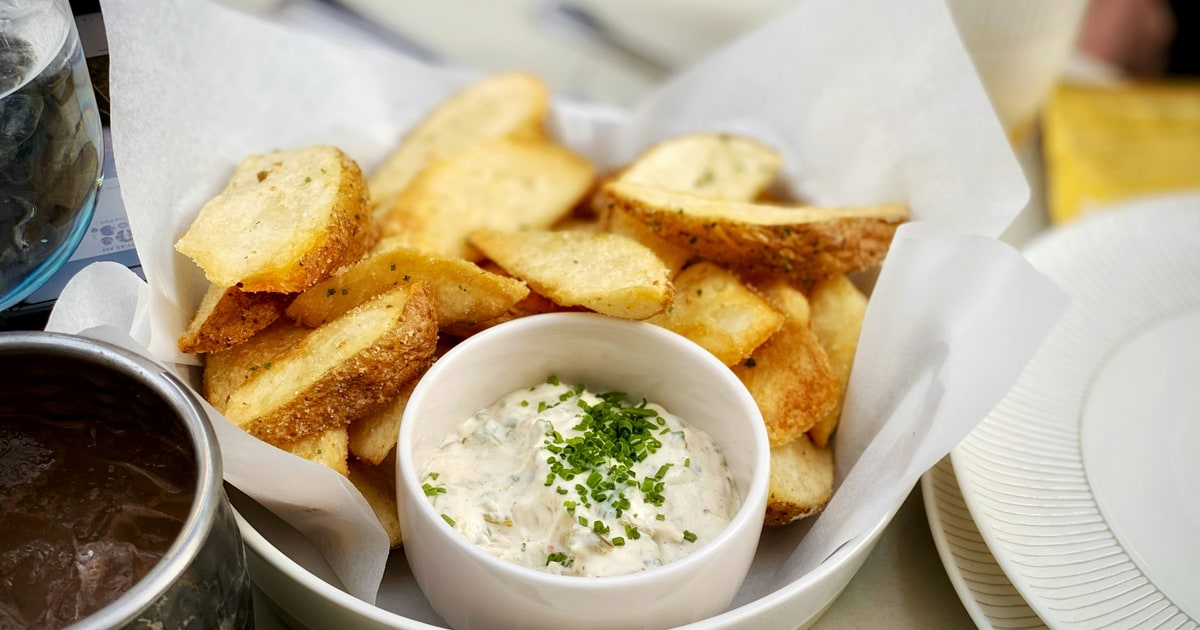
Cream cheese sits in a tricky position for halal shoppers. Unlike hard cheese where “suitable for vegetarians” gives you a clear answer on rennet, cream cheese often contains an additional concern: E471, an emulsifier whose fat source is frequently undisclosed on the label.
The Two Concerns in Cream Cheese
1. Rennet
Like all cheese, cream cheese requires a coagulant. Most cream cheese uses either:
- Acid coagulation (vinegar or lemon juice causes the milk to set) — no rennet, fully halal
- Animal rennet — debated/Mushbooh depending on slaughter method
- Microbial or FPC rennet — halal
The problem is that labels rarely specify which method was used. “Suitable for vegetarians” on cream cheese is your clearest indicator that animal rennet was not used.
2. E471 (Mono and Diglycerides of Fatty Acids)
E471 is an emulsifier added to cream cheese to give it its smooth, spreadable texture. It can be derived from:
- Plant oils (sunflower, palm, rapeseed) — halal
- Animal fats (beef or pork tallow) — potentially haram
Manufacturers are not required to declare the fat source of E471, only the additive number. This is what makes cream cheese — especially Philadelphia — a Mushbooh product rather than an outright halal one.
For a full breakdown, see our guide Is E471 Halal?.
Philadelphia Cream Cheese
Philadelphia is the dominant cream cheese brand in the UK and globally. The standard Philadelphia Original contains:
- Rennet: Kraft Heinz has not confirmed vegetarian rennet. The label does not carry a vegetarian mark.
- E471: Listed in the ingredients; source not disclosed publicly.
- Halal certification: None.
Verdict: Mushbooh. Philadelphia cannot be confirmed as halal based on current formulation and labelling. If you follow a strict position on source-ambiguous additives, avoid it.
Philadelphia Lightest and other reduced-fat variants carry the same concerns. Philadelphia Vegan (plant-based) avoids both rennet and E471 concerns — check the current ingredients list as formulations can change.
Boursin
Boursin is a French herbed cream cheese sold widely in UK supermarkets. It uses animal rennet and does not carry vegetarian certification. There is no halal certification.
Verdict: Not halal. Boursin’s confirmed use of animal rennet (with no zabiha verification) makes it unsuitable for halal consumption under mainstream scholarly positions.
Supermarket Own-Brand Cream Cheese
Supermarket own-brand cream cheeses vary significantly. Some — particularly those labelled “suitable for vegetarians” — avoid animal rennet. Whether they also avoid animal-derived E471 is harder to confirm without contacting the manufacturer.
- Tesco Soft Cheese: Check current label for vegetarian mark and E471 source
- ASDA Soft Cheese: Similar position — vegetarian mark present on some lines
- Waitrose Soft Cheese: Tends to carry clearer labelling; check vegetarian status
If a supermarket cream cheese carries both a vegetarian mark and no E471 in the ingredients, it is the safest non-certified option.
Vegan Cream Cheese: The Cleanest Halal Option
If you want to sidestep both rennet and E471 concerns, plant-based cream cheese is the practical solution:
- Violife — vegan, no rennet, no animal-derived additives; widely available
- Kite — cashew-based cream cheese; clean ingredients
- Oatly — oat-based cream cheese; no animal additives
Always verify the current ingredients list on vegan products as formulations change, but these are generally the most straightforward halal option for cream cheese.
Halal-Certified Cream Cheese
Halal-certified cream cheese is available from specialist halal grocers and some South Asian supermarket chains. If you use cream cheese regularly, sourcing a certified option eliminates the need for label scrutiny every time.
Practical Label-Reading Guide
When picking up any cream cheese, run this quick check:
- Is it vegan? — No rennet, no E471 from animal fat. Generally safe.
- Does it say “suitable for vegetarians”? — Rennet concern resolved. Still check for E471.
- Does it contain E471? — If yes and no vegetarian label, the source is unconfirmed.
- Is there a halal certification mark? — If yes, buy with full confidence.
- No vegetarian mark, contains E471, no halal cert? — Mushbooh; avoid on a cautious approach.
Summary Table
| Factor | Detail |
|---|---|
| Main concerns | Animal rennet and E471 from unconfirmed fat source |
| Philadelphia | Mushbooh — animal rennet unverified, E471 source undisclosed |
| Boursin | Not halal — confirmed animal rennet, no certification |
| Supermarket own-brand | Check for vegetarian mark; varies by product |
| Vegan cream cheese | Generally halal — no rennet, no animal-derived E471 |
| Verdict | Mushbooh by default unless vegetarian-labelled and E471-free or halal certified |
Use the E-codes database to look up any additive on a cream cheese label, or scan a product directly with Verify Ingredients.
Ingredients change. Be first to know.
Brands reformulate without warning. We track every E-code update and halal certification — one short weekly email.
Related Articles
 Ingredient Guides
 Is Processed Cheese Halal? Rennet, Emulsifying Salts and UK Brand Audit (2026)
Two separate issues: rennet source in the cheese itself, and emulsifying salts (E339, E450, E452) in processed slices. Dairylea, Kraft Singles, Philadelphia, Babybel — all checked.
 Ingredient Guides
 Is Parmesan Halal? PDO Rules & Rennet Explained (2026)
PDO Parmigiano-Reggiano must use animal rennet by Italian law — it is Mushbooh or Haram. Generic parmesan may use microbial rennet. The vegetarian mark is the test.
 Ingredient Guides
 Is Mozzarella Halal? UK Brands & Rennet Sources (2026)
Mozzarella can use animal or microbial rennet. 'Suitable for vegetarians' confirms microbial rennet — halal. Buffalo mozzarella from Italy may use animal rennet. Full guide.