
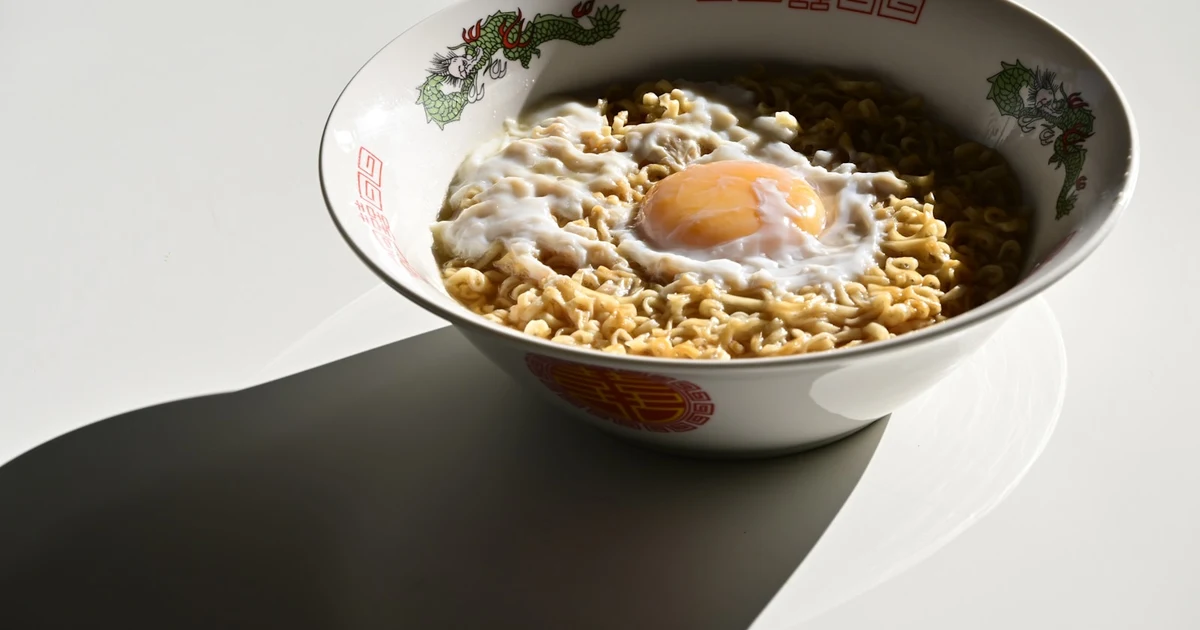
Halal-certified Buldak ramen exists — Samyang makes it in dedicated lines for Muslim markets. The problem is that the packet sitting in most Asian grocery shops looks almost identical to it, and isn’t it.
This is the single most misunderstood snack in the halal community right now. The viral “fire noodle” is sold in two parallel versions: a halal-certified export version carrying a recognised logo, and a domestic Korean version with no certification. Same brand, same flavour names, near-identical wrappers. One is Halal; the other is Mushbooh. Here’s how to never confuse them.
Quick verdict
| Version | Status | Why |
|---|---|---|
| Export, with KMF / MUI / JAKIM logo | ✅ Halal | Certified supply chain; chicken extract, sauce and flavourings verified |
| Domestic Korean packet, no halal logo | ⚠️ Mushbooh | Chicken extract may be non-zabiha; possible pork additives / alcohol flavouring |
| Any packet listing alcohol / pork | ❌ Haram | Impermissible ingredient |
Bottom line: the flavour name tells you nothing. Look for a halal logo on the front of the packet. Logo = Halal. No logo = Mushbooh, regardless of how it’s marketed.
Why there are two versions
South Korea has no legal halal requirement, so Buldak made for the domestic market can contain:
- Non-zabiha chicken extract — the “hot chicken” flavour base often uses chicken powder/extract from birds not slaughtered Islamically. This alone makes it Mushbooh.
- Pork-derived additives — some seasoning blends use porcine ingredients.
- Alcohol-based flavouring — cooking wine or alcohol-carried flavour in certain sauces (Haram).
For Muslim-majority markets (Malaysia, Indonesia, the Gulf), Samyang produces a separate, halal-certified line in dedicated facilities, audited and logo-marked by KMF (Korea Muslim Federation), MUI (Indonesia) or JAKIM (Malaysia). That version is genuinely Halal. The catch: the two are shipped worldwide and end up side by side on the same shelf.
Which Buldak flavours have a halal version?
Samyang has halal-certified export units of several flavours, including:
- Original (Hot Chicken Flavour)
- Cheese
- Carbonara
- 2× Spicy
- Jjajang
- Quattro Cheese
- Habanero Lime
Important: a flavour being “on the halal list” does not make the packet in your hand halal. The same flavour is also made in an uncertified domestic version. Only a packet that physically shows a KMF / MUI / JAKIM logo is the certified one.
What to check on the sauce
Even on an uncertified packet, the flavour sachet is where the risk concentrates. Watch for:
- Chicken / meat extract or powder — undeclared source = Mushbooh.
- Flavour enhancers E631 (disodium inosinate) and E627 (disodium guanylate) — can be meat-, fish- or yeast-derived; source matters.
- E621 / MSG — generally halal (plant fermentation) but worth knowing it’s there.
- Any alcohol / “cooking wine” / soju in a sauce-based flavour — Haram.
For the wider category, see our guide on whether instant noodles are halal.
How to check a Buldak packet in 20 seconds
- Turn the packet face-up and look for a halal logo (KMF, MUI, JAKIM). Present = Halal, you’re done.
- No logo? Treat it as Mushbooh — it’s likely the domestic version.
- Read the flavour sachet ingredients for chicken/meat extract, pork additives, or alcohol.
- Don’t trust the colour or flavour name — the wrappers are near-identical between versions.
- Buy from a halal grocer or a listing that explicitly says “Halal Certified” if you want certainty.
Halal alternatives
If your packet has no logo:
- Halal-certified Samyang Buldak — sold widely online and in halal grocers; the listing will state “Halal Certified” and the packet shows the KMF/MUI/JAKIM mark.
- Other halal-certified instant noodles — several Malaysian and Indonesian brands (JAKIM/MUI-certified) offer comparable spice.
Summary
| Question | Answer |
|---|---|
| Is Buldak ramen halal? | Only the export version with a KMF/MUI/JAKIM logo; the domestic packet is Mushbooh |
| Which flavours have a halal version? | Original, Cheese, Carbonara, 2× Spicy, Jjajang, Quattro Cheese, Habanero Lime — logo required |
| Why is the domestic version doubtful? | Possible non-zabiha chicken extract, pork additives or alcohol flavouring |
| How do I tell them apart? | Halal logo on the front of the packet — not the flavour name |
| Safest choice | A packet that physically shows a halal certification mark |
Look up any E-code from a ramen flavour sachet in the E-codes database.
To scan a full ingredient list for halal status in seconds, use the ingredient scanner.
How we reached this verdict
We checked the following Tier-1 sources before publishing this verdict:
- Halal certification bodies (KMF, MUI/LPPOM, JAKIM): Samyang holds halal certification for specific export Buldak flavours through the Korea Muslim Federation and Indonesia’s MUI; LPPOM (MUI) has publicly reported Samyang’s certified line. These certificates apply only to logo-marked export units, not the domestic product.
- Manufacturer / market structure: Samyang produces certified halal units in dedicated facilities for Muslim-majority markets; domestic Korean units are uncertified and not bound by any halal requirement.
- Sunni fatwa scholarship across the four madhabs: meat/chicken extract from non-Islamically-slaughtered animals, pork derivatives, and alcohol-based flavourings are treated as impermissible or doubtful by Hanafi, Maliki, Shafi’i and Hanbali bodies alike.
Madhab note
The four Sunni madhabs broadly converge on the rules applied in this guide:
- Pork-derived additives and alcohol-based flavourings — Haram across all four madhabs.
- Chicken / meat extract from non-zabiha slaughter — impermissible across the four schools; this is the core reason an uncertified “hot chicken” packet is Mushbooh rather than assumed halal.
- Source-ambiguous flavour enhancers (E631, E627) — manufacturer plant/yeast-source disclosure is accepted under the Hanafi/Maliki/Shafi’i mainstream; undeclared, the default is Mushbooh.
For a binding ruling on a specific packet, consult a competent scholar in your tradition.
Ingredients change. Be first to know.
Brands reformulate without warning. We track every E-code update and halal certification — one short weekly email.
Related Articles
 Shopping Guides
 Halal Snacks in Indonesia: Which Crisps and Chips Are MUI-Certified? (2026)
Most Indonesian domestic snack brands — Chitato, Piattos, Cheetos Indonesia — carry MUI certification. The risk is in imported snacks without a halal label. Here is the full guide.
 Shopping Guides
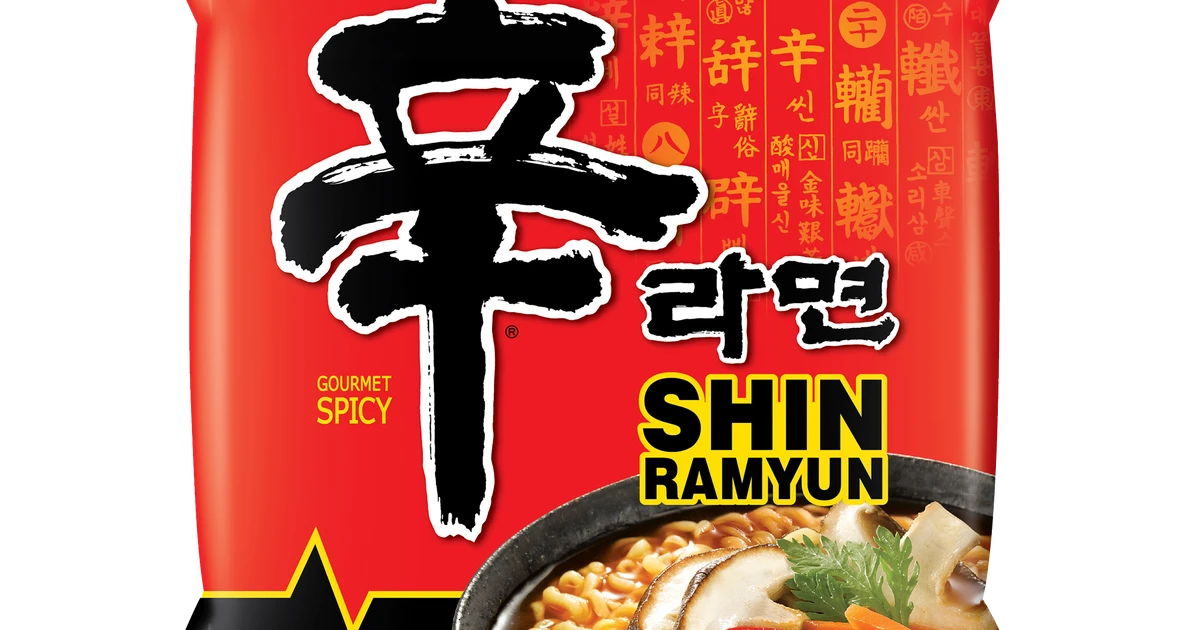
 Is Shin Ramyun Halal? What the Label Doesn't Tell You (2026)
Standard Shin Ramyun sold in Korean/Asian grocery shops is not halal certified — it contains beef extract with no zabiha guarantee. Nongshim makes halal-certified versions for Gulf markets. Here's how to tell them apart.
 Shopping Guides
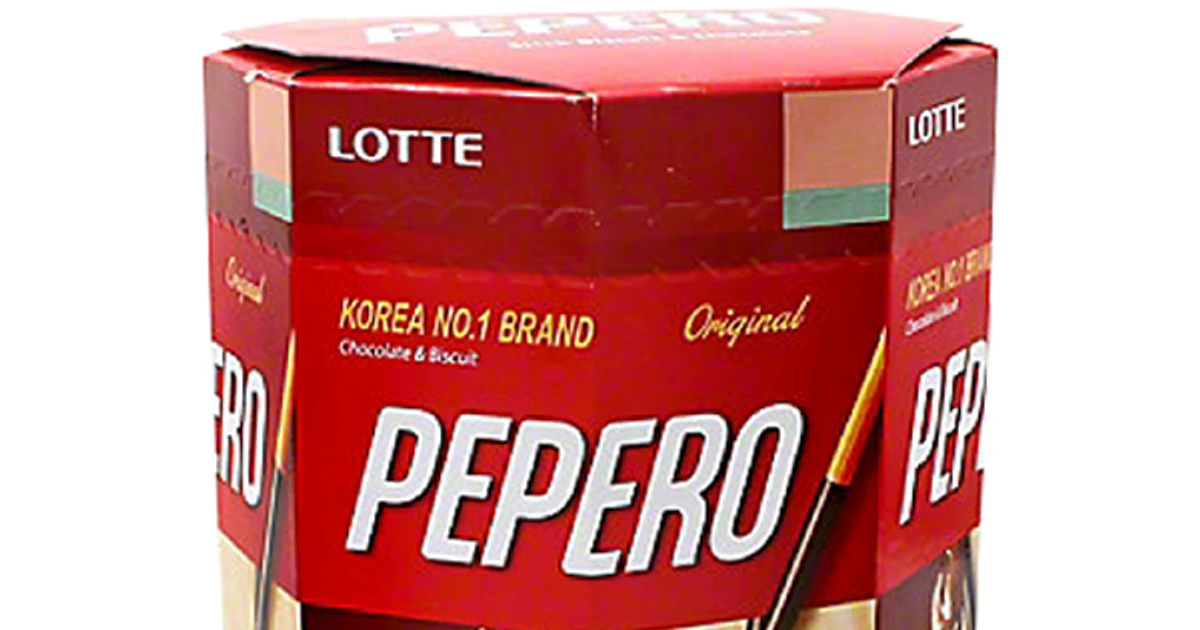
 Is Pepero Halal? Lotte's Chocolate Sticks — The Verdict (2026)
Standard Pepero sold in Korean grocery shops is not halal certified. Lotte produces halal-certified Pepero for some export markets. Check for a halal logo before buying.