
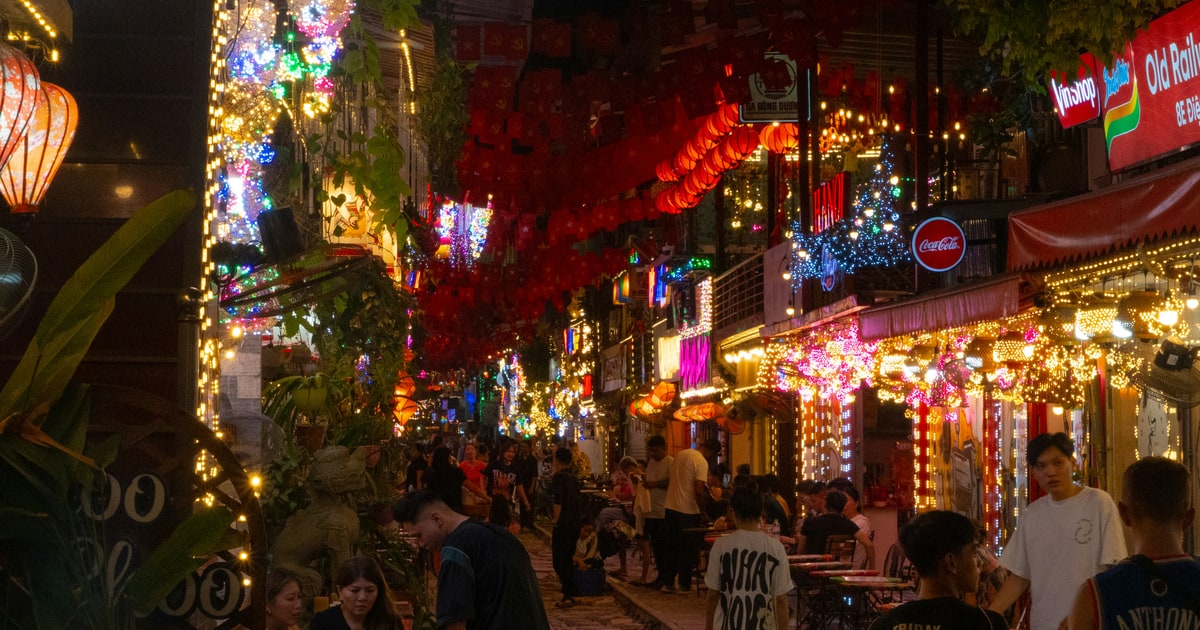
Travelling as a Muslim raises a practical question that non-Muslim travellers never think about: where is the halal food? The answer depends dramatically on which country you are in, which city, and which neighbourhood. Some destinations make halal eating effortless; others require planning. This guide covers the most commonly visited regions with practical, specific strategies that work in 2026.
Before You Travel: The Essential Apps
Zabihah.com is the most useful tool for finding halal restaurants and butchers globally. The website and app have a searchable database of user-verified halal restaurants worldwide. Search by city before you arrive and save a shortlist. It is not perfect — listings go stale — but it is the best starting point.
HalalCodeCheck is your tool for checking E-codes and additives on packaged food in supermarkets. When you are standing in a foreign supermarket looking at ingredient lists in an unfamiliar language, the database works the same regardless of country.
Google Maps with “halal” search — typing “halal restaurant near me” in any major city now returns results, often with user reviews from Muslim travellers confirming the halal status.
United Kingdom
The UK has excellent halal infrastructure for a non-Muslim-majority country. Muslim communities in Birmingham, Bradford, Leicester, London (Tower Hamlets, Whitechapel, Wembley, Southall), Manchester, and many other cities mean halal butchers and restaurants are widely available.
Certification: Look for HMC or HFA logos. HMC is the stricter standard. Use the HMC website to find certified restaurants.
Supermarkets: ASDA and Morrisons halal counters in larger stores. Iceland frozen halal range (HFA). Online: Ayah Halal and Tahira for HMC-certified delivery.
Restaurants: Zabihah.com works well for UK restaurant searches. Nando’s, Morley’s (HMC), many kebab and curry restaurants.
France
France has the largest Muslim population in Western Europe (estimated 5–6 million), and this is reflected in excellent halal food availability, particularly in Paris and major cities.
Paris: The 18th and 19th arrondissements (Barbès, La Chapelle) are the historical centre of North African Muslim life in Paris — halal butchers, Moroccan bakeries, and halal grocers on every street. The suburbs (banlieues) of Saint-Denis, Aubervilliers, and similar areas have extensive halal infrastructure.
Supermarkets: Casino and Carrefour have dedicated halal sections in stores near Muslim communities. Look for the “Rayons Hallal” section. Lidl France occasionally stocks halal products.
Certification in France: Look for AVS (Association de Vétérinaires pour la Surveillance des Abattoirs), SFCVH, or mosque association certifications. France does not have a single national halal standard.
Germany
Germany’s Turkish community (3–4 million people) provides the backbone of halal food availability. Turkish butcher shops — Metzgerei — are present in virtually every German city with a significant population.
Berlin: Kreuzberg and Neukölln are the Turkish and Arab heartland of Berlin. Kottbusser Tor area has multiple halal butchers, Turkish supermarkets (Türkischer Marktplatz), and halal restaurants on almost every block. You will not struggle to find halal food here.
Munich: Schwabing and Maxvorstadt areas have halal options. Less concentrated than Berlin but still accessible.
Cologne and Frankfurt: Both have Turkish communities and correspondingly good halal food access.
German certification: Turkish halal butchers are typically certified by mosque associations (Ditib or community mosque councils). Standards vary; ask which certifier they use.
Supermarkets: Rewe and Aldi carry limited halal products. Turkish supermarket chains (e.g., Berrak, Hayat) in German cities carry a wide halal range including certified meat.
Netherlands
The Netherlands has a strong Moroccan and Turkish Muslim community of around 1 million people, concentrated in Amsterdam, Rotterdam, The Hague, and Utrecht.
Amsterdam: The Bijlmer (Amsterdam Zuidoost) area is home to a large Surinamese and Muslim community with halal butchers and restaurants. De Pijp and Oud-West have Moroccan and Turkish butchers. The Albert Cuyp market area has several halal food vendors.
Rotterdam: Strong Moroccan community; halal food is widely accessible. Feijenoord and Delfshaven districts.
Certification: Halal Correct and Dutch Muslim community certifiers. Turkish butchers typically certified by mosque associations.
Spain
Spain is harder for halal food than France or Germany. The Muslim population is smaller and more dispersed. However, Moroccan immigrant communities in Catalonia, Madrid, and Andalusia provide access points.
Barcelona: El Raval neighbourhood has a significant Pakistani and Moroccan community with halal butchers. Badalona suburb is another good option.
Madrid: Lavapiés neighbourhood has halal restaurants and Moroccan butchers.
Seafood strategy: Spain is one of the best countries in the world for fish and seafood. Grilled fish (pescado a la plancha) with olive oil, vegetables, and rice is available everywhere and is universally halal. This is the easiest strategy for Muslim travellers in Spain.
Italy
Italy’s halal food scene is growing but still limited compared to France or Germany. Muslim communities in Rome, Milan, and Turin provide some options.
Rome: Piazza Vittorio Emanuele II area (Esquilino neighbourhood) has a diverse immigrant community with halal butchers and restaurants. Via Buonarroti area in the Prati neighbourhood has North African options.
Milan: Via Padova and Viale Monza areas have North African and South Asian communities with halal food access.
Seafood: Like Spain, Italy’s excellent fish tradition makes seafood the reliable fallback. Grilled branzino, orata, or pasta ai frutti di mare are available everywhere.
United States
The US has significant Muslim communities in the major metropolitan areas, and the halal food industry has grown substantially.
Mainstream grocery: Saffron Road and Crescent Foods are HFA-certified halal brands available in Whole Foods, Trader Joe’s, and some Walmart locations. Midamar is another established halal brand. Zabihah-certified products appear in some stores.
New York: Halal carts (Halal Guys) are ubiquitous in Manhattan. Queens (Jackson Heights, Jamaica) has extensive South Asian and Middle Eastern halal options. Brooklyn (Bay Ridge for Arab community, Flatbush for Haitian Muslim community).
Michigan (Dearborn): The highest concentration of Arab Muslims in the US outside the Arab world. Halal food is essentially universal here — restaurants, butchers, and supermarkets are all overwhelmingly halal.
Chicago: Devon Avenue (“the Desi strip”) has South Asian halal restaurants and grocers.
Midwest fresh delivery: If you are staying in Illinois, Wisconsin, Indiana or Michigan with a kitchen, Red Meat Halal delivers fresh, never-frozen HMS-certified (hand-slaughtered) lamb, goat and beef within 48 hours — useful for longer stays, Airbnb trips or family visits where you want to cook. For a wider look at what ships nationwide, see our US halal meat delivery guide.
Zabihah.com works excellently in the US and has the largest database for American halal restaurant listings.
UAE and Gulf Countries
The UAE, Saudi Arabia, Qatar, Bahrain, Kuwait, and Oman are Muslim-majority countries where the domestic food supply is overwhelmingly halal by law. You do not need to worry about halal status of meat in restaurants or local markets.
Exception: Imported packaged goods from Western countries may not be halal certified. Hotels catering to international tourists may serve alcohol in licensed venues — avoid those areas.
Dubai specifically: Has extensive international food options including non-halal restaurants in hotel premises. Stick to local restaurants outside hotels for guaranteed halal.
Turkey
Turkey is a Muslim-majority country with a government halal framework. The Halal Accreditation Agency (HAK) oversees halal certification nationally. Domestic meat is halal. Restaurants are overwhelmingly halal.
Exception: Istanbul’s tourist areas (Beyoğlu, Galata) have bars and restaurants serving alcohol — the food itself in most of these may still be halal, but the environment is mixed.
Malaysia and Indonesia
Both are Muslim-majority countries with robust government halal certification:
Malaysia: JAKIM (Department of Islamic Development Malaysia) is the national halal certifier. JAKIM-certified products and restaurants are government-audited to a recognised international standard. Halal food is ubiquitous.
Indonesia: BPJPH (Halal Product Assurance Organizing Agency) is the national certifier. Indonesia has the world’s largest Muslim population — halal food is everywhere. The MUI (Indonesian Ulema Council) previously handled certification; both logos appear on products.
Australia
Australia has a well-developed halal certification sector. The Halal Certification Authority (HCA), ANIC (Australian National Imams Council), and other bodies certify Australian products. Major supermarkets (Coles, Woolworths) carry halal-certified meat, and Australian halal meat is exported globally to Muslim-majority countries — the domestic standard is reliable.
The Seafood Fallback
One universal strategy for Muslim travellers: fish and seafood are halal under the majority position (all four Sunni schools permit fish; Hanafi school restricts some specific seafood but permits fish). Grilled, baked, or poached fish is widely available in almost every country in the world and requires no halal slaughter certification.
When you cannot find certified halal meat — in rural Japan, coastal Portugal, or a small European town — fresh grilled fish with vegetables is a reliable, nutritious, and clearly halal meal anywhere in the world.
Summary
| Region | Difficulty | Best Strategy |
|---|---|---|
| UK | Easy | HMC/HFA butchers, ASDA/Morrisons counters |
| France | Easy | Barbès/La Chapelle Paris, halal supermarket sections |
| Germany | Easy | Turkish Metzgerei butchers in every city |
| Netherlands | Moderate | Moroccan/Turkish butchers in major cities |
| Spain/Italy | Moderate | Moroccan butchers + seafood strategy |
| USA | Moderate | Zabihah.com, Saffron Road/Crescent Foods in stores |
| UAE/Gulf | Effortless | Domestic meat is universally halal |
| Turkey | Effortless | Government-regulated halal nationwide |
| Malaysia/Indonesia | Effortless | JAKIM/BPJPH certified — halal everywhere |
| Australia | Easy | HCA certified; major supermarkets carry halal |
Ingredients change. Be first to know.
Brands reformulate without warning. We track every E-code update and halal certification — one short weekly email.
Related Articles
 Shopping Guides
 Halal Shopping at BILLA Austria: Halal Spreads Yes, Halal Meat No (2026)
BILLA stocks halal-labelled chicken spreads from Argeta and Delicata, but fresh halal meat was withdrawn after public protest and has not returned. Here is what the BILLA and BILLA Plus shelves actually offer a halal shopper, what to read on own-brand Clever and Ja! Natürlich packs, and where Vienna's halal meat still comes from.
 Shopping Guides
 Halal Snacks in Turkey: Why Ülker Has No Logo and Lay's Türkiye Has No Certificate (2026)
In Turkey halal is the default, not a label — so most domestic snacks carry no helal mark and are still fine. The exceptions worth checking: Frito-Lay's Turkish-made Lay's and Doritos publish no product-level certificate, and imported European snacks bring pork and gelatine with them.
 Shopping Guides
 Halal Ice Cream and Dairy in Hong Kong: Kowloon Dairy, Trappist, Vitasoy and What to Trust (2026)
Hong Kong's only halal certifier publishes a restaurant list, not a packaged-goods register. Kowloon Dairy's ice cream cone lists gelatine and E471; Trappist milk drinks list E471; Vitasoy's halal claim is Philippines-market. Here is how to buy dairy in Hong Kong without a local certificate to lean on.