
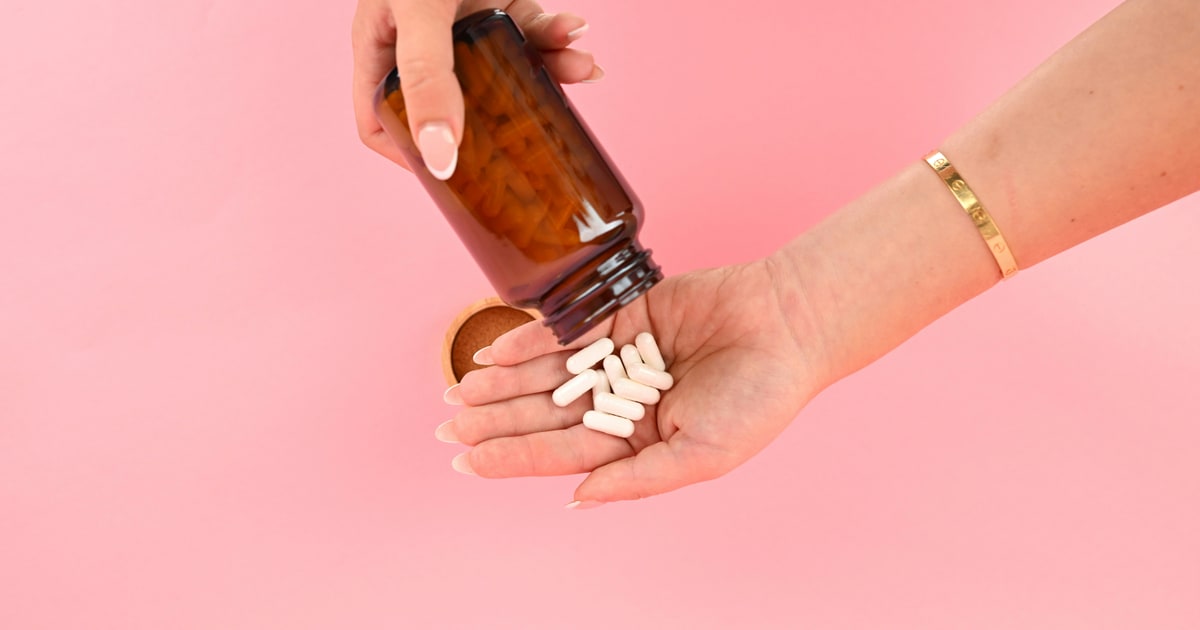
The supplement aisle at Boots or Holland & Barrett looks straightforward until you start reading the ingredient lists. The vast majority of vitamin capsules — the kind taken by millions of people daily — use gelatine as the capsule shell material. And most of that gelatine is porcine: derived from pig collagen. For Muslim consumers, this makes routine vitamin-taking a genuine label-reading exercise.
Why Gelatine Is in So Many Supplements
Gelatine is the gold standard capsule material for the pharmaceutical and supplement industries because it is cheap, stable, dissolves reliably in the stomach, and has well-understood properties. Hard gelatine capsules (two-piece capsules filled with powder) and soft gelatine capsules (liquid-filled oval capsules) are both predominantly porcine in the standard supply chain.
The gelatine industry co-exists with meat production: pork gelatine is produced from pig skin and bones as a by-product of the pork processing industry, which makes it abundantly available and cheap. Unless a manufacturer specifically sources bovine or fish gelatine — or uses a plant-based alternative — porcine is the default.
What to Look for on the Label
Haram indicators:
- “Gelatine” or “gelatin” — if unqualified, assume porcine
- “Bovine gelatine” — from cattle; permissible only if from halal-slaughtered animals (rarely certified)
- No halal certification logo
Halal indicators:
- “HPMC” or “hydroxypropyl methylcellulose” — plant-based capsule material; no animal content
- “Vegetable capsule” — HPMC or similar
- “Suitable for vegetarians” or “suitable for vegans” — confirms no animal gelatine
- Halal certification logo from a recognised body
- “Fish gelatine” — fish is halal; fish gelatine is permissible (confirm no other concerns)
Halal-Certified Supplement Brands in the UK
Salaam Nutritionals — US brand specifically developed for Muslim consumers, sold online to the UK. The brand states its products passed inspection for a halal and kosher certificate, but does not name the certifying body publicly. Halal status is clearly labelled. Range includes multivitamins, vitamin D3, omega-3 (from algae, not fish), and minerals.
Sunnah Supplements — UK brand drawing on Islamic health traditions. The website displays a “Halal Certified” badge, but we could not locate publicly available documentation confirming the certifier, covered product and certification scope — see our collagen powder guide for the full check. Black seed oil, honey-based products, and conventional supplements in HPMC capsules.
NovaBay Halal Vitamins — UK-based halal supplement brand with a growing range. Clearly certified.
Nature’s Best — UK supplement brand; many products are explicitly vegetarian-capsule. Not halal certified as a brand, but individual vegetarian products are safe.
Safe Options at Mainstream Retailers
Holland & Barrett
Holland & Barrett’s own-label products labelled “suitable for vegetarians” or “suitable for vegans” use HPMC capsules and are safe for halal consumers. Their website lets you filter by dietary preference. Key products:
- Holland & Barrett Vitamin D3 (vegetarian softgels — note: D3 source matters, see below)
- Holland & Barrett Vitamin C (standard ascorbic acid, usually safe — check capsule)
- Holland & Barrett Vegan Omega-3 (algae-derived, HPMC capsule)
Boots Vitamins
Boots own-label vitamins vary. Many standard capsules use gelatine. Their “Everyday” range includes some vegetarian options — check individual product pages. Boots Advantage Card holders can access detailed product information online.
Tesco and Supermarkets
Own-brand supermarket vitamins are largely not halal certified. Some vegetarian-labelled products are safe; assume gelatine unless the label explicitly says otherwise.
Specific Supplement Categories: What to Check
Vitamin D3
Most Vitamin D3 supplements are derived from lanolin — the oil extracted from sheep’s wool. This is considered mushbooh by some scholars (the animal is not killed and wool is a permissible product) and halal by others (no slaughter is involved). The more certain alternative is D3 from lichen — a plant source — which is vegan and unambiguously halal.
D3 from lichen to look for: Vitashine D3, Better You D3 (some products use lichen-derived D3), and many vegan D3 brands.
The capsule concern applies here too: many D3 capsules use gelatine. Choose softgels with plant-based capsules or tablet form.
Omega-3 Fish Oil
Fish oil is halal — fish are halal. The concern is the capsule shell. Standard fish oil softgels use porcine gelatine as the capsule material. This is the catch: a halal ingredient in a haram shell.
Solution: Look for fish oil in HPMC capsules, or choose algae-based omega-3 (which provides the same EPA/DHA without the capsule concern). Brands offering fish-gelatine capsules as an alternative include some specialist suppliers.
Collagen Supplements
Collagen supplements have become extremely popular. Their halal status depends entirely on the source:
- Marine collagen (fish) — halal. Fish collagen is widely available and clearly labelled.
- Bovine collagen — mushbooh without halal certification. Bovine collagen is from cattle, but if the cattle were not halal-slaughtered, the collagen is from an animal that was not properly slaughtered.
- Porcine collagen — haram. Some collagen products use pig-derived collagen; check carefully.
Many collagen products do not state the species on the front of the pack — check the ingredient list or full product description.
Protein Powders (Whey and Collagen-Based)
See the dedicated halal protein powder guide. In summary: whey protein is a dairy by-product and generally considered halal by most scholars; collagen protein requires source verification.
Probiotics
Probiotic supplements are typically grown in culture mediums. Check the capsule (HPMC is safe). The bacterial cultures themselves are not an animal product concern. Most probiotic capsules are either gelatine or HPMC — vegetarian-labelled products are safe.
Multivitamins
The easiest approach: buy a vegan multivitamin. These are now widely available (Vitabiotics Vitabiotic Vegan Multi, Holland & Barrett Vegan Multi, etc.) and guarantee plant-based capsules and plant-sourced ingredients across the formula.
The Gelatine-Free Shopping Checklist
Use this quick system when buying supplements:
- Look for “suitable for vegetarians” or “suitable for vegans” on the label
- Check ingredients for “HPMC” or “vegetable capsule”
- If it says “gelatine” — put it back unless halal certified
- For D3: check the source (lichen preferred; lanolin is mushbooh, not clearly haram)
- For collagen: check species (marine/fish = halal; bovine without cert = mushbooh; porcine = haram)
- For omega-3: choose algae-based or verify the capsule shell is not porcine gelatine
Summary
| Supplement | Main Concern | Halal Solution |
|---|---|---|
| General vitamins | Porcine gelatine capsule | Choose HPMC/vegetarian capsule |
| Vitamin D3 | Source (lanolin vs lichen) + capsule | Lichen-derived D3 in HPMC capsule |
| Fish oil omega-3 | Porcine gelatine capsule | Algae omega-3 or fish-gelatine capsule |
| Collagen | Species source | Marine/fish collagen only |
| Probiotics | Gelatine capsule | Choose vegetarian-labelled brands |
| Multivitamins | Multiple concerns | Buy a certified vegan multivitamin |
| Verdict | Always read the full ingredient list | Look for vegetarian/vegan label or halal cert |
Rather than re-checking capsule shells on every restock, you can start from our ranked halal-certified multivitamin picks for 2026 — each one screened for porcine gelatine and E120 before it made the list.
For the complete guide covering every supplement category — including collagen, omega-3, and the E numbers hidden in tablet coatings — see the Halal Supplements Complete Guide.
Ingredients change. Be first to know.
Brands reformulate without warning. We track every E-code update and halal certification — one short weekly email.
Related Articles
 Shopping Guides
 Is Roshen Konafetto Halal? Labelled Halal, No Gelatine (2026)
Roshen Konafetto is halal when the pack carries the Halal mark — US and Malaysian export packs do. No gelatine, E471 or E476. Unmarked packs: check the label.
 Shopping Guides
 Best Halal Non-Alcoholic Drinks & Mocktails USA 2026
We checked five US non-alcoholic spirit and mocktail brands directly. None carry halal certification — Lyre's own FAQ says so in plain language. Here's what we found.
 Shopping Guides
 Best Halal Cosmetics & Skincare USA 2026 — Verified Brands
We checked five US halal cosmetics and skincare brands directly. Three are certified — by IFANCA, ISWA, or Islamic Services of America — one openly admits it isn't yet, one claim didn't hold up.