
The Philippines has a real, if under-the-radar, halal certification infrastructure — a Muslim population concentrated in Mindanao and the Bangsamoro Autonomous Region, a certifying body (IDCP) that’s been auditing companies since the 1990s, and a 2016 law that put government oversight behind it. None of that automatically tells you whether the chip bag in a Manila convenience store is covered by it. This guide checks the brands people actually buy.
NCMF vs IDCP: Know Which One You’re Looking For
Two acronyms show up when researching halal claims in the Philippines, and they aren’t interchangeable. IDCP (Islamic Da’wah Council of the Philippines) is the body that actually certifies companies — it started halal verification in 1987, formalised the process in 1995, and has certified over 1,500 companies domestically and internationally. It’s the Philippines’ representative on the World Halal Council. NCMF (National Commission on Muslim Filipinos) is a government agency, created under the Halal Act of 2016, that accredits and regulates certifying bodies like IDCP — it oversees the system rather than auditing individual products itself.
When a brand’s halal claim traces back to IDCP specifically, that’s a real, checkable certification. When it’s vaguer — “government-recognised” or unspecified — it’s worth asking which actual certifying body stands behind it.
Jack ‘n Jill (Piattos, Nova, Chippy, Clover Chips) — Varies, Unconfirmed for These Lines
Jack ‘n Jill is Universal Robina Corporation’s (URC) snack brand, and it dominates Philippine snack shelves. IDCP’s own client register lists three URC facilities as certified — a Pasig Boulevard plant, a Quezon City plant, and a Pampanga beverage/coffee plant. That’s genuine, checkable certification of some URC operations. What it doesn’t do is name a snack-chip production line, and no specific Piattos, Nova, or Chippy product appears on IDCP’s certified-product listing.
Status: Varies / unconfirmed for the flagship chip lines. URC has real IDCP certification somewhere in its business — this page can’t confirm it extends to the specific bag of Piattos on the shelf.
Oishi — Varies, Check the Specific Flavour
Oishi already has a dedicated verdict on this site: Oishi (made by Liwayway Marketing Corporation) tags specific products — Yummy Flakes Shrimp Flavor, Potato Fries (Plain Salted, Cheese, Barbecue, Tomato Ketchup), and Onion Rings — as halal directly on its own official site. That’s a genuine, first-party manufacturer statement, not a third-party guess. It doesn’t cover the full range, though — at least one Prawn Crackers variant has been separately flagged as not halal. Same rule as everywhere else on this site: check the specific product, not the brand name.
Rebisco — Mushbooh, Certification Doesn’t Cover Its Snacks
Rebisco is a major Philippine cracker and biscuit maker. Its own site does carry a halal-style label — but only for Pacific Sunrise Cooking Oil, a completely different product category. No Tier-1 source — not IDCP, not NCMF, not Rebisco itself — confirms halal status for Rebisco’s actual cracker or biscuit lines.
Status: Mushbooh — the certification that exists doesn’t reach the products people are actually asking about.
Pringles, Doritos, and Lay’s in the Philippines — No Local Certification
Three international brands sold in the Philippines already have published verdicts on this site, and none of them extend to the Philippine market specifically:
- Pringles: Kellanova holds JAKIM certification for Malaysia and select Gulf markets only — the existing verdict makes no mention of the Philippines.
- Doritos: Frito-Lay/PepsiCo certifies Doritos for Malaysia and Indonesia (JAKIM/MUI) — again, no Philippines coverage.
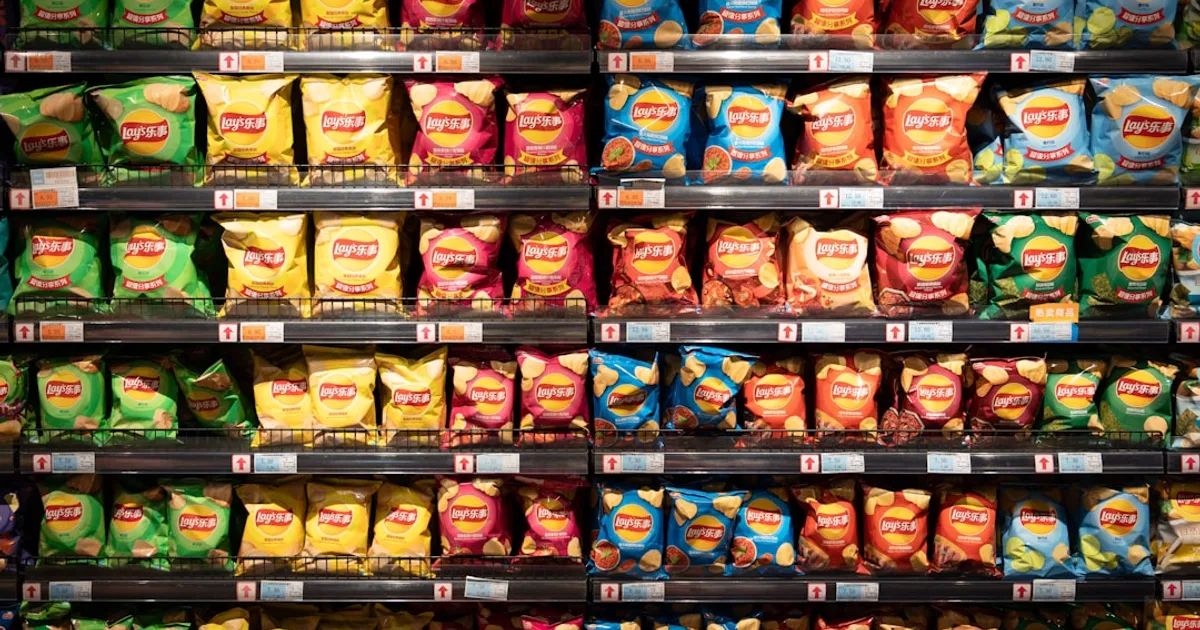
- Lay’s: distributed in the Philippines through URC’s Jack ‘n Jill portfolio, but no product- or facility-specific halal certification for Philippine-market Lay’s was found from IDCP, NCMF, or PepsiCo directly.
Status: Mushbooh for all three in the Philippine market — treat any “halal” claim tied to a different country’s certification as not applying here.
Quick Reference: Snack Brands in the Philippines
| Brand | Status | Key Concern |
|---|---|---|
| Jack ‘n Jill (Piattos, Nova, Chippy) | Varies | URC has IDCP-certified facilities, but not confirmed for these specific lines |
| Oishi | Varies | Some SKUs manufacturer-tagged halal; Prawn Crackers flagged not halal |
| Rebisco | Mushbooh | Certification covers cooking oil, not crackers/biscuits |
| Pringles (PH) | Mushbooh | JAKIM cert is Malaysia/Gulf-only |
| Doritos (PH) | Mushbooh | JAKIM/MUI cert is Malaysia/Indonesia-only |
| Lay’s (PH) | Mushbooh | No PH-specific certification found |
A Note on Third-Party Apps
Consumer halal-checking apps sometimes show conflicting SKU-level claims for these exact products — one tagging a Nova flavour halal, another tagging a Piattos flavour not halal. These aren’t certifying bodies and shouldn’t be treated as evidence one way or the other; this guide relies on IDCP’s own register and each manufacturer’s own published statements instead.
Summary
The Philippines has real halal certification infrastructure behind it — IDCP is a legitimate, long-established certifier, and NCMF provides government oversight of the whole system. But infrastructure existing doesn’t mean it reaches every product. Of the six brands checked here, only Oishi has a genuine, product-specific manufacturer statement you can act on directly, and even that comes with exceptions. For everything else, the safest approach is the one that applies everywhere on this site: look for the certifier’s name on the pack, not just the fact that a company operates in a halal-conscious market.
Ingredients change. Be first to know.
Brands reformulate without warning. We track every E-code update and halal certification — one short weekly email.
Related Articles
 Shopping Guides
 Halal Snacks in Turkey: Why Ülker Has No Logo and Lay's Türkiye Has No Certificate (2026)
In Turkey halal is the default, not a label — so most domestic snacks carry no helal mark and are still fine. The exceptions worth checking: Frito-Lay's Turkish-made Lay's and Doritos publish no product-level certificate, and imported European snacks bring pork and gelatine with them.
 Shopping Guides
 Halal Snacks in Singapore: Calbee, Munchy's and the Country-of-Origin Trap (2026)
Calbee Singapore stock can be halal or not depending on which factory made it — Japan-made Calbee isn't halal-safe, but the Indonesian and Thai lines may carry local certification. Munchy's and Twisties are JAKIM-certified across the board.
 Shopping Guides
 Halal Snacks in Indonesia: Which Crisps and Chips Are MUI-Certified? (2026)
Most Indonesian domestic snack brands — Chitato, Piattos, Cheetos Indonesia — carry MUI certification. The risk is in imported snacks without a halal label. Here is the full guide.