
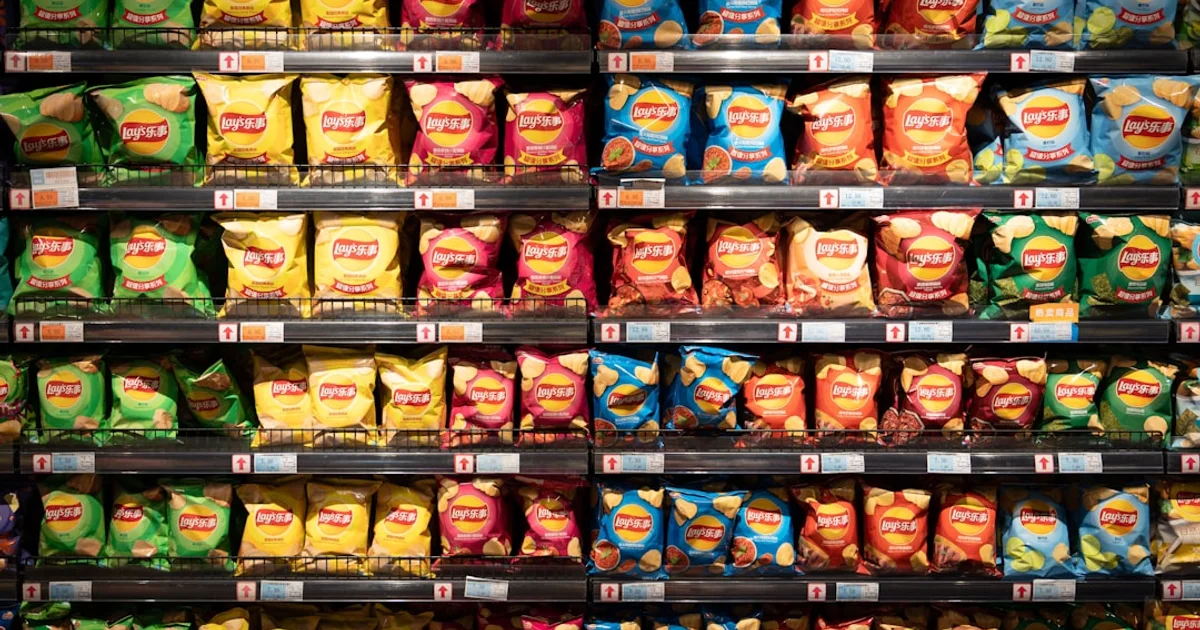
Nowhere else in this series does the absence of a halal logo mean so little. In Turkey the logo is missing from most of the snack aisle because the aisle is halal by default: a majority-Muslim market whose manufacturers never needed to prove it. The reader coming from London or Amsterdam, trained to look for HMC or HQC, will find almost nothing — and that is not a problem on the domestic shelf.
It becomes a problem in exactly two places: multinational brands made in Turkey that could certify and don’t, and imported snacks that bring European ingredients with them. This guide covers both.
The Domestic Default: Ülker, Eti, Torku
Turkey’s big three snack makers build production lines for a domestic market where the consumer expectation is halal. Pork fat, pork gelatine and alcohol-based flavourings are not in the supply chain the way they are in Germany or the UK.
Ülker is halal for its core product lines manufactured in Turkey. As Turkey's leading food conglomerate, halal compliance is foundational to Ülker's production. Always verify local label when purchasing outside Turkey.
Full Ülker brand guide →Eti (biscuits, wafers, crackers) publishes no certificate we could find, and none is needed for the domestic reading: composition is the guide, and Eti’s wafers and crackers list vegetable fat and soya lecithin. Torku (Konya Şeker’s snack and confectionery arm) is the exception that does publish halal certification, covering ingredient sourcing and production processes.
The domestic rule: a Turkish-made snack from a Turkish maker is halal by composition; the certificate, where one exists, is a bonus for the strict reader rather than a requirement.
Who Certifies, and Why It Matters Less Here
Turkey has a formal system — it is just aimed at exporters. The Helal Akreditasyon Kurumu (HAK) accredits halal certification bodies to national and OIC/SMIIC standards. TSE (the Turkish Standards Institution) issues halal certificates for food and cosmetics and halal-slaughter certificates for meat. GİMDES is the long-established private certifier whose logo appears most often on packs. The Diyanet (religious affairs directorate) informs but does not certify.
If you want the certified version of a Turkish product, look for the TSE Helal or GİMDES mark — you’ll find them on export-oriented lines, confectionery and meat products more than on everyday crisps.
Frito-Lay Türkiye: Made in Turkey, Not Certified
Lay’s, Doritos, Ruffles and Cheetos are all made in Turkey by Frito-Lay Türkiye (PepsiCo) — Lay’s for over twenty years, Doritos since 1995. They are formulated for the Turkish market and contain no pork-derived ingredient.
What they don’t have is a published certificate. Frito-Lay Türkiye’s public product pages display no product-level halal certificate or certifier record. That leaves Turkish Lay’s and Doritos in the same category as most domestic brands — halal by composition, uncertified — with one extra caveat: the cheese-seasoned flavours (Doritos Nacho, Cheetos) depend on cheese enzymes, and it is the enzyme source, not pork, that a certificate would settle.
Doritos (Frito-Lay / PepsiCo) hold no halal certification for UK or US products. Cheese-flavoured varieties contain dairy additives and natural flavours whose sources are not disclosed. UK Doritos contain E635 (disodium ribonucleotides) in some flavours — Mushbooh. Plain tortilla base is halal; the seasoning is the concern.
Full Doritos brand guide →Abroad, “Doritos Turca (halal)” and “Lay’s Turkey (halal)” are sold as halal by importers. That is the importer’s label on the Turkish product, not a separate certified line — useful as a pork-free signal, not as a certificate. Our Lay’s brand page covers the market-by-market picture.
Imported Snacks: Where the Risk Actually Is
Turkey’s supermarkets — Migros, CarrefourSA, the discounters BİM, A101 and ŞOK — increasingly stock German, Italian and Eastern European snacks. This is where the European ingredient list arrives. The words to read, from our Turkey label guide:
| Turkish label word | Meaning | Action |
|---|---|---|
| domuz / domuz eti / domuz yağı | pork / pork meat / pork fat | avoid |
| jelatin | gelatine (source undisclosed on imports) | avoid unless halal-marked |
| koşinil, karmin, E120 | carmine | majority view: avoid |
| alkol, şarap, likör | alcohol, wine, liqueur | avoid |
| emülgatör E471 / E472 | emulsifier, source undisclosed | Mushbooh on imports; domestic makers use vegetable |
Imported gummies (Haribo Germany, not Haribo Türkiye), marshmallows and European chocolate-and-biscuit bars are the main gelatine and E471 carriers. Haribo is the textbook case — the Turkish-made Haribo is a separate halal-certified line from the German one:
Most Haribo products in the UK/EU contain pork gelatine and are not halal. Dedicated halal-certified Haribo ranges exist in Turkey, some Middle Eastern countries, and selected UK halal stores — but they are packaged separately.
Full Haribo brand guide →Summary
| Question | Answer |
|---|---|
| Are Turkish-made snacks halal? | Halal by composition; most carry no logo because none is needed domestically |
| Which brands publish certification? | Torku; Ülker (see brand page). Eti — none found, composition-clean |
| Lay’s / Doritos made in Turkey | No pork; no product-level certificate published — uncertified |
| Logos to look for | TSE Helal, GİMDES, HAK-accredited certifiers |
| Where the risk is | Imported European gummies, marshmallows and bars — read for domuz, jelatin, E120 |
Check any E-number from a Turkish wrapper in the E-codes database, or scan the içindekiler line with the ingredient scanner.
How we reached this verdict
Sources checked September 2026:
- Turkish certification system: Helal Akreditasyon Kurumu (hak.gov.tr) on accreditation of certification bodies; TSE Helal Belgelendirme Hizmetleri page (halal certificates for food and cosmetics; halal-slaughter certificates); GİMDES as the principal private certifier.
- Torku: Helal Platform’s record of Torku’s halal certification and its stated scope.
- Frito-Lay Türkiye: fritolay.com.tr Lay’s and Doritos brand pages (Turkish production; Lay’s 20+ years, Doritos since 1995); Halal Lens’ 2026 Doritos flavour audit noting no product-level certificate on Turkish public pages.
- Ülker, Doritos, Haribo: existing HalalCodeCheck verdicts rendered above from the brand pages.
- Label vocabulary: our Turkey product-identification guide.
- Fatwa references: IslamQA (Hanafi) and Darul Iftaa Birmingham on the default permissibility of food from Muslim-majority producers absent a known haram ingredient; on cheese enzymes and undisclosed emulsifiers.
Madhab note
- Food from a Muslim-majority producer with no haram ingredient declared — permissible by default across the four madhabs; certification adds assurance, it is not a condition of permissibility.
- Cheese enzymes and E471 of undisclosed source — Mushbooh under the mainstream view; the HMC-strict / Hanbali-leaning view requires certification.
- Pork, pork fat, added alcohol — haram across all four madhabs.
- E120 carmine — haram under the Hanafi, Shafi’i and Hanbali mainstream; some Maliki scholars permit.
For binding rulings, consult a competent scholar in your tradition.
Ingredients change. Be first to know.
Brands reformulate without warning. We track every E-code update and halal certification — one short weekly email.
Related Articles
 Shopping Guides
 Halal Snacks in Singapore: Calbee, Munchy's and the Country-of-Origin Trap (2026)
Calbee Singapore stock can be halal or not depending on which factory made it — Japan-made Calbee isn't halal-safe, but the Indonesian and Thai lines may carry local certification. Munchy's and Twisties are JAKIM-certified across the board.
 Shopping Guides
 Halal Snacks in the Philippines: Jack 'n Jill, Oishi, Rebisco Checked (2026)
URC's facilities are IDCP-certified but its flagship Piattos and Nova chips aren't confirmed covered. Oishi tags specific SKUs halal on its own site. Pringles and Doritos PH carry no local certification.
 Shopping Guides
 Halal Snacks in Indonesia: Which Crisps and Chips Are MUI-Certified? (2026)
Most Indonesian domestic snack brands — Chitato, Piattos, Cheetos Indonesia — carry MUI certification. The risk is in imported snacks without a halal label. Here is the full guide.