
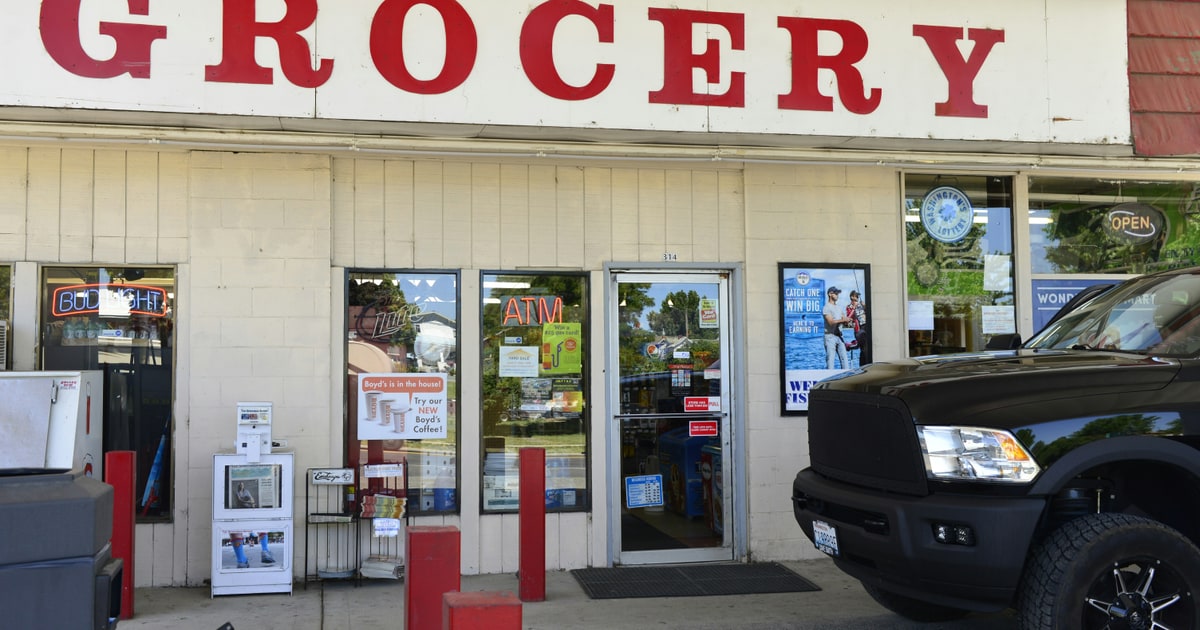
Lidl has grown into one of the most popular supermarkets in the UK, built on its discount pricing and rotating weekly specials. For Muslim shoppers, Lidl presents a specific challenge: no halal meat certification whatsoever. But the picture is more nuanced than a blanket “avoid” — there is a lot at Lidl that is genuinely halal-friendly, and knowing where to shop saves both time and guesswork.
The Meat Department: Avoid Entirely
Let us be direct from the start. Lidl UK has no halal certification for any of its meat products. The fresh meat counters and refrigerated packaged meat — chicken, beef, lamb, turkey — are all sourced from conventional supply chains with no halal slaughter process. Avoid the entire meat section.
This includes:
- Lidl fresh chicken portions (Strathvale Farms and other own-brand labels)
- Lidl packaged beef mince and steaks
- All Lidl pork products (obviously haram)
- Lidl processed meat — sausages, ham, salami, bacon
- Lidl chilled ready meals containing meat
If you need meat, Lidl is not the place. Visit a dedicated halal butcher or a supermarket with a certified halal counter — which UK supermarkets sell halal meat lists exactly who stocks what.
Fish Section: Generally Safe
This is genuinely good news. Fish does not require Islamic slaughter — it is halal by default under the ruling of most scholars. At Lidl, this means the fish section is one of the safest areas to shop.
What to buy without concern:
- Fresh fish fillets (salmon, cod, haddock, sea bass)
- Chilled smoked salmon and trout
- Frozen plain fish fillets and fish portions
- Lidl tinned fish (tuna, sardines, mackerel in brine or oil)
What to check:
- Lidl fish-flavoured ready meals or fish pies: these may contain dairy additives (E471) or other non-halal ingredients in the sauce
- Lidl breaded fish products: check the coating for E471 and E472e
- Seafood mixes containing shellfish: shellfish (prawns, mussels, clams) are considered halal by the Shafi’i and Hanbali schools but not the Hanafi school — choose according to your madhab
Dairy Aisle
The dairy section at Lidl is a mixed bag, and the key variable — as with most UK supermarkets — is rennet in cheese.
Cheese: Lidl stocks a range of own-brand cheeses under various labels. Many standard hard cheeses use animal rennet. However, Lidl increasingly labels cheeses as “suitable for vegetarians,” indicating microbial or vegetarian rennet — these are halal-safe on the rennet question. If the rennet distinction is new to you, Is cheese halal? walks through all three rennet types.
Look for the small green ‘V’ vegetarian symbol on the packaging. Lidl’s Mature Cheddar and several of their continental-style cheeses now carry this marking. Do not assume — check each product individually, as the same type of cheese may have different rennet sources in different packaging formats (block vs sliced).
Milk and cream: All standard fresh milk and cream at Lidl is halal. No additives of concern.
Yoghurt: Lidl’s plain and Greek-style yoghurts are generally halal-safe. The issue arises with fruit yoghurts — specifically those with red, pink, or purple fruit flavours. These may contain E120 (carmine), derived from the cochineal insect and considered haram. Check the ingredient list on Lidl Milbona fruit yoghurts particularly carefully.
Butter: Standard butter is halal. Flavoured butter spreads — garlic butter, herb butter — should be checked for any alcohol-based flavourings.
Ice cream: Lidl’s Bon Gelati tubs and cones deserve their own label check — we have been through the E-codes line by line in our Bon Gelati verdict.
The Vemondo Plant-Based Range
Lidl’s Vemondo brand is the supermarket’s dedicated plant-based and vegan line. For halal shoppers, this range is significantly easier to navigate:
- No meat, no poultry, no fish
- No gelatine
- No lard or pork derivatives
- Vegan certification means strict ingredient standards
Vemondo products include plant-based burgers, sausages, nuggets, dairy alternatives, and deli-style sliced products. These are generally halal-safe. You should still verify:
- E120 (carmine) in brightly coloured products (rare in vegan ranges but worth checking)
- Alcohol-based flavourings in sauces and marinades
The Vemondo range makes Lidl a viable weekly shop destination for vegetarians and vegans among Muslim shoppers.
Bakery Section: Proceed with Caution
Lidl’s in-store bakery produces fresh bread, croissants, pain au chocolat, and pastries throughout the day. The in-store bakery products are made from pre-formed, frozen dough that Lidl bakes on-site — the recipes originate from European manufacturing facilities.
Continental pastries and croissants may use butter or vegetable fat. The risk area is E471 (mono and diglycerides of fatty acids) and E472e (diacetyl tartaric acid esters of mono and diglycerides) — both can be derived from animal or vegetable sources, and the source is rarely specified on Lidl bakery labels.
Lidl’s packaged bread products in the ambient aisle (pre-sliced bread, rolls, wraps) are a safer bet — they carry full ingredient listings and many are free of animal-derived emulsifiers.
The Lidl ‘Deluxe’ premium pastry range, particularly products that are explicitly butter-based, should be approached with more care. These sometimes feature richer recipes that include more complex emulsifier blends.
Snacks and Crisps
The Lidl snack aisle requires E-code awareness, particularly for:
E631 (Disodium inosinate): Common in cheese-flavoured and savoury crisps. It acts as a flavour enhancer and is frequently pork-derived — see our E627 and E631 crisp guide for how the pairing works. Lidl own-brand crisps, particularly the Snaktastic and Crinkled Chips ranges, should be checked for E631.
E635 (Disodium 5’-ribonucleotides): A combination flavour enhancer that may include E631. Found in some snack products.
E441 (Gelatine): Present in Lidl sweets and gummy confectionery. Unless labelled “beef gelatine” and/or “halal,” assume pork gelatine. The Lidl own-brand sweets range (often on the seasonal middle aisle) typically uses pork gelatine — certified halal gummy brands are the safer route for sweets.
Plain crisps (ready salted, lightly salted) and nut products are generally safe — always verify if flavoured.
Middle Aisle Specials
The famous Lidl middle aisle — or LIDL-land as it is sometimes called — rotates weekly. Food products that appear here (international foods weeks, snack selections, imported goods) should be treated with the same caution as any other product. Check every label. Some imported European confectionery that appears during German or French food weeks may contain pork gelatine or lard.
Ambient Grocery
Lidl stocks a range of ambient (shelf-stable) groceries that are largely fine for halal shoppers:
- Pasta and rice: Halal
- Tinned tomatoes, beans, pulses: Halal
- Oils: Halal
- Spices: Halal (check for anti-caking agents in some blended spice mixes)
- Pasta sauces: Generally halal, but check for E471 in creamy varieties
- Biscuits and cookies: Check for E471 and E476 in chocolate biscuits
Anything the label leaves unclear, run through the HalalCodeCheck scanner at the shelf, or look the code up in the E-codes database.
Halal Shopping Near You
Lidl plus a good halal butcher is a workable weekly system — the discounter for the trolley staples, the independent for meat and everything certified. Five cities where we keep checked listings:
- Manchester — Rusholme’s Curry Mile and the Cheetham Hill Road corridor are the classic pairing with a discounter shop: see the Manchester halal directory
- Birmingham — the Stratford Road and Alum Rock Road independents carry certified meat and full import ranges: halal grocers in Birmingham
- London — halal grocers anchor high streets from Whitechapel to East Ham to Southall: see the London halal directory
- Wolverhampton — compact city, well covered by independents in and around the centre: see the Wolverhampton halal directory
- Milton Keynes — Bletchley’s Queensway cluster is the halal shopping hub: halal grocers in Milton Keynes
Shopping at Lidl in Ireland? Same logo, different picture: no major chain in the Republic sells halal meat, and the yoghurt and confectionery traps shift with the local suppliers. See our halal shopping in Ireland guide.
Summary
| Category | Verdict |
|---|---|
| Meat | No halal certification — avoid entirely |
| Fish (plain) | Halal by default — safe to buy |
| Cheese | Buy vegetarian-labelled only |
| Yoghurt | Check for E120 in fruit varieties |
| Vemondo plant-based | Generally halal — verify labels |
| Bakery | Check for E471 and E472e |
| Crisps and snacks | Check for E631 in flavoured varieties |
| Confectionery / sweets | Check for E441 (pork gelatine) |
| Ambient grocery (plain) | Generally safe |
Ingredients change. Be first to know.
Brands reformulate without warning. We track every E-code update and halal certification — one short weekly email.
Related Articles
 Shopping Guides
 Best Halal Meal Kits UK 2026 — Which Are Actually Certified
Most UK halal meal kit brands don't name a certifying body. We checked six directly — one names HMC, one admits its kitchen isn't certified, the rest are unverified claims.
 Shopping Guides
 Best Halal Meat Delivery UK 2026 — Fresh, HMC-Certified Picks
Most halal meat delivery in the UK still ships frozen. These five HMC-certified butchers deliver fresh, chilled cuts nationwide — certification and delivery details checked directly.
 Shopping Guides
 Halal School Snacks UK: 3 Label Checks Before You Buy (2026)
Three label checks — E441 gelatine, E120 carmine, E471 emulsifiers — catch most haram risks in UK lunchbox snacks. Here is what to look for, aisle by aisle.