
Indonesia is home to the world’s largest Muslim population — approximately 231 million Muslims, representing around 87% of the country’s total population. With this demographic reality, halal food infrastructure in Indonesia is not a niche service — it is the default expectation. Understanding how the Indonesian halal certification system works, and how it has changed in recent years, is essential for anyone shopping or travelling in Indonesia.
The Transition from MUI to BPJPH
For decades, halal food certification in Indonesia was handled by MUI (Majelis Ulama Indonesia), the Indonesian Ulema Council — an independent Islamic scholarly organisation. MUI’s halal certification process, known as LPPOM MUI (Lembaga Pengkajian Pangan, Obat-obatan dan Kosmetika MUI), established itself as the recognised halal authority from 1989 onward.
In 2014, the Indonesian government passed Law No. 33 of 2014 on Halal Product Assurance (Jaminan Produk Halal), establishing a government-backed system. This led to the creation of BPJPH (Badan Penyelenggara Jaminan Produk Halal), operating under the Ministry of Religious Affairs (Kementerian Agama).
BPJPH began issuing halal certificates from October 2021, marking a significant transition. The key points:
MUI’s continued role: Although BPJPH now issues the official certificates, MUI continues to issue fatwas (religious opinions) that inform BPJPH’s certification standards. The relationship is one of complementary functions rather than pure replacement — MUI provides the religious authority, BPJPH provides the government regulatory authority.
Old MUI logos: Products bearing the old circular MUI halal logo (with MUI text and the Arabic halal script) are still valid. The Indonesian government did not invalidate existing certifications overnight. As products cycle through manufacturing and packaging updates, they transition to the new BPJPH logo. Both logos are accepted and trusted.
Reading the New BPJPH Halal Logo
The BPJPH halal logo was officially introduced and is designed to be the single unified halal mark for Indonesia. Its features:
- Shape: Square, tilted at an angle (diamond-like orientation)
- Colour: Deep green background
- Text: Arabic حلال (halal) in white calligraphic script, plus “halal” in Latin script
- Design element: A kujang (traditional Sundanese/West Javanese ceremonial dagger) is incorporated into the overall mark
- Issuing authority text: BPJPH and/or Kemenag (Ministry of Religious Affairs) identifier
This logo appears on:
- Domestically produced Indonesian food products
- Imported products that have obtained Indonesian halal certification
- Restaurant and food service certification displays
When you see this logo on a product in an Indonesian supermarket (Indomaret, Alfamart, Hypermart, Transmart, Giant, or any other chain), the product has passed the Indonesian government’s halal assessment.
Indomie: Indonesia’s Most Famous Halal Product
Indomie instant noodles are perhaps the most globally recognised Indonesian food product. Indomie Mi Goreng, the fried noodle variant, has achieved cult status in markets from Nigeria to Australia.
Indomie products are MUI certified (and progressively being updated to BPJPH registration). The seasoning sachets that accompany Indomie — including the Mi Goreng sweet soy sauce, chilli sauce, and seasoning oil — are all halal certified for the Indonesian market.
A practical note for the global Indomie consumer: Indomie is produced in multiple countries. Indonesian-produced Indomie carries MUI/BPJPH certification. Indomie produced in other countries (Nigeria, Saudi Arabia, etc.) carries local halal certifications. Always check the specific product’s certification based on its country of manufacture.
International Fast Food Chains in Indonesia
Indonesia’s fast food landscape is comprehensively halal:
KFC Indonesia: Fully halal certified across all Indonesian outlets. KFC Indonesia was one of the first international fast food chains to obtain MUI certification and has maintained continuous certification. Every item on the KFC Indonesia menu is halal.
McDonald’s Indonesia: Fully halal certified with MUI (now transitioning to BPJPH). McDonald’s Indonesia operates under strict halal monitoring — the entire menu including condiments, sauces, and cooking oils is halal certified. This includes the McFlurry desserts, which use halal-formulated ingredients in Indonesia.
Burger King Indonesia: Halal certified across all Indonesian outlets.
Pizza Hut Indonesia: Halal certified — the entire menu including toppings is halal.
Domino’s Indonesia: Halal certified.
Starbucks Indonesia: Halal certified — food items and syrups meet Indonesian halal standards.
This near-universal halal certification across international chains reflects the legal requirement and the commercial imperative of serving an 87% Muslim population.
Imported Brands: What Indonesian Halal Certification Means
For international brands, obtaining Indonesian halal certification is increasingly mandatory and commercially essential. Brands that have undergone the Indonesian certification process for the Indonesian market include:
Nestlé Indonesia: Nestlé Indonesia’s products (including Milo, Nestlé cereals, Maggi products, Kit Kat produced for the Indonesian market) are halal certified with MUI/BPJPH.
Unilever Indonesia: Unilever’s food brands sold in Indonesia (Bango sweet soy sauce, Royco seasoning, Walls ice cream) carry MUI/BPJPH certification. Bango kecap manis is one of Indonesia’s most-used halal condiments.
Coca-Cola and soft drinks: Soft drinks (Coca-Cola, Sprite, Fanta) produced and sold in Indonesia carry halal certification — the processing facilities and ingredients are certified.
Danone Indonesia: Aqua (bottled water, Danone brand in Indonesia) and Danone dairy products are halal certified for the Indonesian market.
Shopping at Indonesian Supermarkets
Indonesia’s supermarket landscape includes:
Indomaret and Alfamart: These convenience store chains have over 30,000 locations combined across Indonesia and are the most common point of purchase for everyday food items. All food products on their shelves should carry MUI or BPJPH certification.
Hypermart, Transmart, Giant, Lottemart: Larger hypermarket formats. The food sections carry a comprehensive range of halal-certified products. These stores also stock imported products — check that imported items carry Indonesian halal certification.
Ranch Market and Farmers Market: Premium supermarkets popular with expats and upper-income Indonesians. These carry more imported products, some of which may carry foreign halal certifications rather than Indonesian ones.
Practical shopping rule: In a standard Indonesian supermarket, virtually everything on the shelf is halal. The exception is designated non-halal sections for alcohol (in stores licensed to sell it) and pork (in stores that serve non-Muslim communities). These sections are physically separated and clearly marked.
Traditional Markets (Pasar Tradisional)
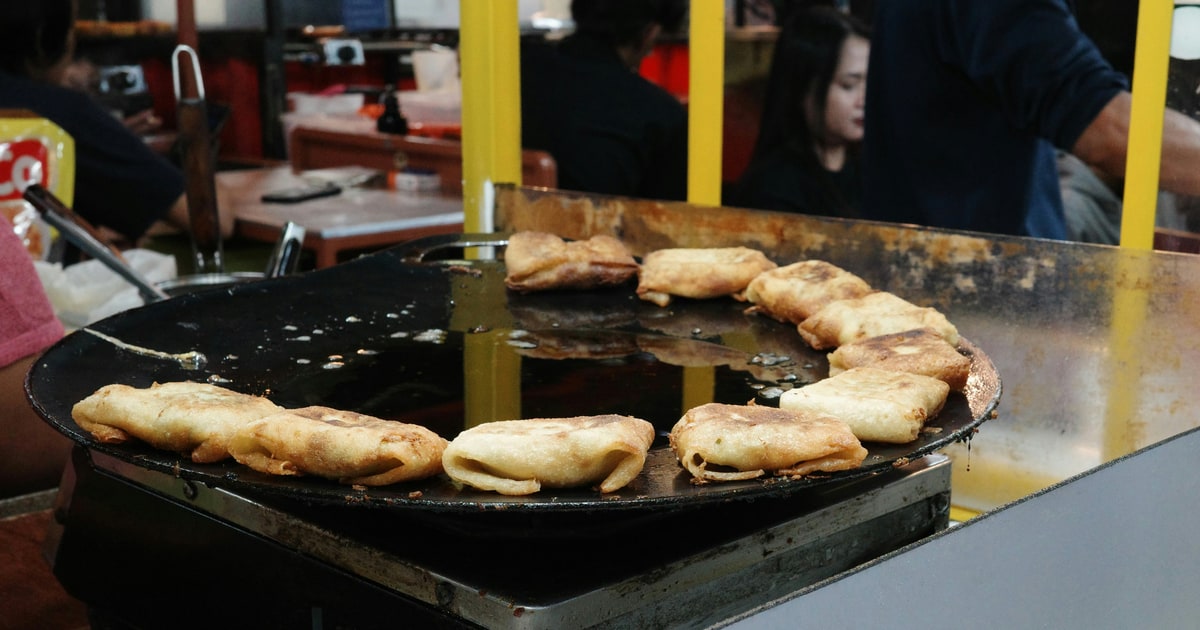
Traditional Indonesian markets (pasar) are a significant part of daily food procurement for many Indonesians. Meat sold at traditional markets is not always formally certified by BPJPH, but it is typically from Muslim traders who slaughter according to Islamic practice as part of their cultural and religious identity.
In practice, the vast majority of meat sold at Indonesian traditional markets is halal by practice even without formal certification. However, for travellers or shoppers who require formal certification, supermarket chains with documented BPJPH-certified meat are the safer option.
Regional Food Diversity and Halal
Indonesia’s extraordinary culinary diversity spans 34 provinces and hundreds of ethnic groups. Traditional regional foods — Padang cuisine (West Sumatra), Sundanese food (West Java), Javanese cuisine, Balinese food, Manado cuisine (Sulawesi), and others — vary significantly in their default halal status.
One important exception: Balinese cuisine reflects the predominantly Hindu Balinese culture. Traditional Balinese food and some restaurants in Bali may serve pork (babi guling — spit-roasted suckling pig is a famous Balinese dish). Muslim travellers visiting Bali should be aware of this and seek restaurants displaying BPJPH/MUI halal certification. In Balinese tourist areas, halal-certified restaurants are clearly identified.
Similarly, some ethnic communities in North Sulawesi (Manado), North Sumatra (Batak), and Flores (East Nusa Tenggara) have food traditions that include non-halal meats. In these regions, seek certified halal restaurants.
Summary
| Category | Verdict |
|---|---|
| BPJPH logo (new) | Official Indonesian halal certification — trust fully |
| MUI logo (old) | Still valid — fully trusted |
| Indomie instant noodles | MUI certified — halal |
| KFC / McDonald’s / Burger King Indonesia | Fully halal — all outlets |
| Nestlé / Unilever Indonesia products | MUI/BPJPH certified |
| Standard supermarket food | Virtually all halal — see designated non-halal sections |
| Balinese cuisine and restaurants | Check for halal certification — pork is common in local food |
| Traditional markets | Generally halal by practice — certification varies |
| Imported products | Check for Indonesian halal certification on label |
Ingredients change. Be first to know.
Brands reformulate without warning. We track every E-code update and halal certification — one short weekly email.
Related Articles
 Shopping Guides
 Halal Snacks in Turkey: Why Ülker Has No Logo and Lay's Türkiye Has No Certificate (2026)
In Turkey halal is the default, not a label — so most domestic snacks carry no helal mark and are still fine. The exceptions worth checking: Frito-Lay's Turkish-made Lay's and Doritos publish no product-level certificate, and imported European snacks bring pork and gelatine with them.
 Shopping Guides
 Halal Ice Cream and Dairy in Hong Kong: Kowloon Dairy, Trappist, Vitasoy and What to Trust (2026)
Hong Kong's only halal certifier publishes a restaurant list, not a packaged-goods register. Kowloon Dairy's ice cream cone lists gelatine and E471; Trappist milk drinks list E471; Vitasoy's halal claim is Philippines-market. Here is how to buy dairy in Hong Kong without a local certificate to lean on.
 Shopping Guides
 Halal Sweets, Candy and Bakery in Japan: Reading ショートニング and 乳化剤 (2026)
No major Japanese snack or bread maker certifies its domestic products. Most konbini bread uses shortening and emulsifiers of undisclosed origin; only two Tokyo bakeries are fully certified. Here is the two-word label rule, the Muslim-friendly snack shortlist, and which candy is out.