
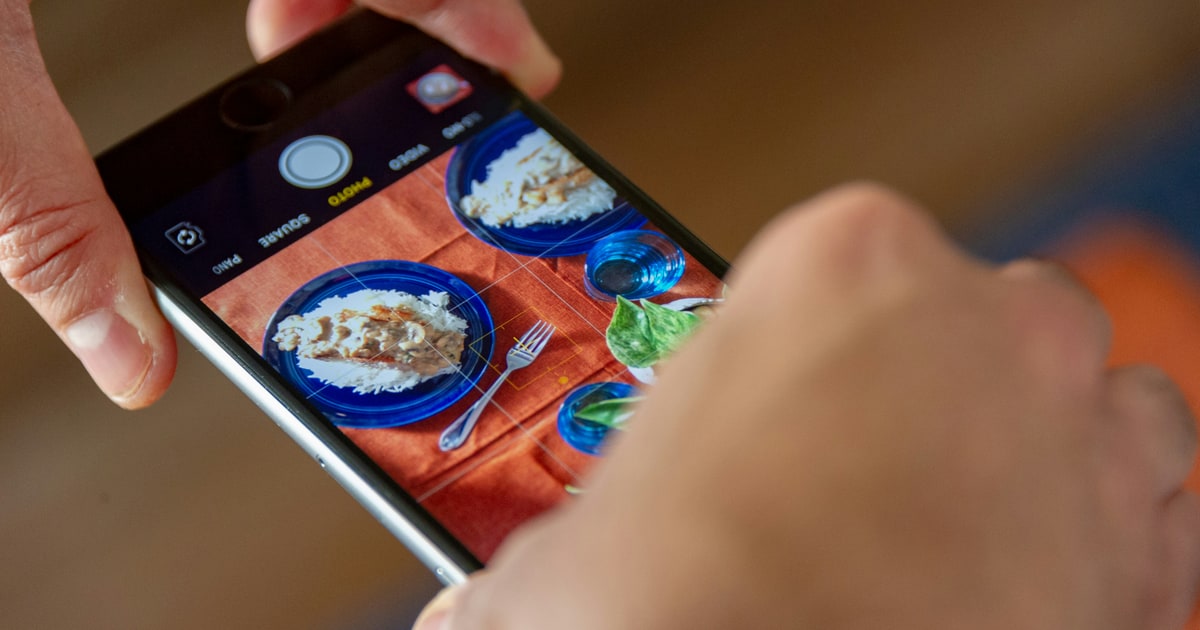
The number of tools available to help Muslim consumers check food has grown substantially over the past few years. But more options do not automatically mean better outcomes — each tool has a specific strength and a specific gap. Knowing which tool to use for which task saves time and prevents the false confidence that comes from relying on a single app for everything.
This is an honest comparison of the major tools in 2026, written from a UK consumer perspective.
HalalCodeCheck (halalcodecheck.com)
Type: Web app / Progressive Web App (PWA)
Primary use: E-code lookup, additive checking, brand guides
Cost: Free
Requires account: No
Offline capable: Partially (E-code database cached)
HalalCodeCheck is built specifically around the E-code checking problem — the gap in halal food compliance that no barcode scanner alone can fill. A product’s barcode tells you what the product is, but checking whether its E471 comes from pork fat or plant oil requires additive-level knowledge. That is what HalalCodeCheck provides.
What it does well:
The E-code database covers 360+ food additives with verified halal status (Halal, Haram, Mushbooh, Unknown), the source of each additive, and a plain-English explanation of why it has that status. This is the most comprehensive freely available UK halal additive reference.
Voice search lets you say “E four seven one” into your phone while standing in a supermarket aisle and get an instant result without typing. This is particularly useful for checking multiple E-codes quickly.
Image scanning — the camera feature reads product labels and extracts E-numbers using OCR (optical character recognition). You photograph the ingredient list and the app identifies any E-codes present and their status.
Brand guides and blog posts cover specific UK supermarkets, brands, and product categories — answering the practical questions Muslim consumers actually ask (“is Nando’s halal?”, “which UK supermarkets sell halal meat?”).
PWA installation — install to your home screen from Safari or Chrome and it behaves like a native app. The E-code database is cached for offline use.
What it doesn’t do:
Barcode scanning of finished products against a product database. Restaurant finding. HalalCodeCheck is an ingredient and additive tool, not a restaurant locator.
Zabihah.com
Type: Web and mobile app
Primary use: Halal restaurant and butcher finder
Cost: Free (with some premium features)
Requires account: No for searching
Offline capable: No
Zabihah.com has been the gold standard for halal restaurant finding since 2000. It is a user-curated database of halal restaurants and butchers worldwide, with ratings and reviews from Muslim community members who have eaten there.
What it does well:
Restaurant finding by city is excellent. Zabihah has entries for major cities on every continent — it is particularly strong for North America, the UK, Europe, and Australia. If you are travelling and need to find a halal restaurant in a city you don’t know, Zabihah is the first place to look.
User reviews often include practical details about certification (“confirmed HMC,” “owner said they use halal butcher but no cert logo”), preparation notes (“separate kitchen from non-halal”), and atmosphere. This community knowledge is genuinely valuable.
Butcher finder — the database includes halal butchers, not just restaurants. This is useful for finding HMC-certified butchers near you.
What it doesn’t do:
E-code checking. Zabihah cannot tell you whether the E471 in your biscuits is from plant or animal fat. Product database checking. Zabihah is a restaurant and butcher locator, not an additive checker.
Limitation: User-submitted databases go stale. Restaurants close, certifications change, and Zabihah entries are not always updated promptly. Treat any Zabihah listing as a starting point for verification, not a guarantee.
Halal or Haram (App)
Type: Mobile app (iOS and Android)
Primary use: Barcode product scanning
Cost: Free (with ads) / Premium version available
Requires account: For saved products
Offline capable: Partial
Halal or Haram is a barcode-scanning app that attempts to check whether scanned products are halal. It works by matching the product barcode against a database of products with known halal status.
What it does well:
Barcode scanning gives instant results for products in the database. If you scan a known product, you get a halal/haram verdict without needing to read any labels. This is a fast workflow for frequently purchased products.
The growing database means more products get coverage over time as users add and verify entries.
What it doesn’t do:
Coverage is inconsistent. Many UK products are not in the database. When a product is not found, you get nothing — no information about the product’s ingredients that would let you make an informed decision.
The app cannot perform E-code level analysis. It either has the product or it doesn’t.
Overall: Useful as a quick first-pass for common supermarket products. Not sufficient as a standalone halal checking tool for UK consumers who encounter unfamiliar products regularly.
IslamicFinder Halal Checker
Type: Web tool
Primary use: Fatwa-based ingredient and additive lookup
Cost: Free
Requires account: No
IslamicFinder’s halal checker provides ruling-based information on additives and common food ingredients, grounded in Islamic jurisprudence. The tool is more textual than interactive — it provides detailed scholarly explanations rather than quick lookup verdicts.
What it does well:
Good for understanding the reasoning behind halal classifications. If you want to know why E120 is haram or what the scholarly basis for the mushbooh classification of E471 is, IslamicFinder provides more depth than a simple status colour.
What it doesn’t do:
Fast real-time lookup. Image scanning. Voice search. Restaurant finding. IslamicFinder is better as a research tool than a supermarket aisle tool.
OpenFoodFacts
Type: Web and mobile app
Primary use: General food product ingredient database
Cost: Free (open-source)
Requires account: For contributions
Offline capable: Yes (with data download)
OpenFoodFacts is a community-contributed ingredient database — not specifically a halal tool, but useful as a source of ingredient information for products you cannot read (foreign-language labels, small print) or want to research at home.
What it does well:
Very large product database with ingredient lists for millions of products globally. Good for identifying what is in a product before checking the E-codes.
What it doesn’t do:
Halal status analysis. OpenFoodFacts tells you what is in the product; you then need another tool to determine the halal status of those ingredients.
Workflow tip: Use OpenFoodFacts to find the ingredient list for a product scanned or purchased, then use HalalCodeCheck to look up any E-codes identified.
The Recommended Toolkit for UK Muslim Consumers
No single app covers everything. The practical combination:
Primary E-code and additive checker: HalalCodeCheck — use this in the supermarket aisle for any E-code question, label scanning, or ingredient check.
Restaurant finder (especially while travelling): Zabihah.com — use this before arriving in a new city to identify halal restaurants and butchers.
Product quick-check: Halal or Haram barcode scanner — use this as a fast first check for common products; if not found, switch to ingredient list checking on HalalCodeCheck.
Research and background: IslamicFinder or Islamic Q&A resources — use these when you want to understand the scholarly reasoning behind a classification.
App Comparison Table
| Feature | HalalCodeCheck | Zabihah | Halal or Haram | IslamicFinder |
|---|---|---|---|---|
| E-code database | 360+ codes | No | No | Yes (limited) |
| Voice search | Yes | No | No | No |
| Image/label scanning | Yes | No | No | No |
| Barcode scanning | No | No | Yes | No |
| Restaurant finder | No | Yes (global) | No | No |
| Butcher finder | No | Yes | No | No |
| Product database | No | No | Yes (growing) | No |
| Offline use | Partial (E-codes) | No | Partial | No |
| Account needed | No | No | Optional | No |
| Cost | Free | Free | Free/Premium | Free |
| Best for | E-codes, additives | Restaurants, travel | Product quick-check | Scholarly context |
| UK coverage | Excellent | Good | Moderate | General |
Summary
| Tool | Use It For | Don’t Use It For |
|---|---|---|
| HalalCodeCheck | E-codes, additives, UK brand guides | Restaurant finding, barcode scanning |
| Zabihah | Restaurants worldwide, butcher finding | Additive checking, product analysis |
| Halal or Haram | Quick barcode check for known products | Unfamiliar products, E-code research |
| IslamicFinder | Scholarly background research | Fast supermarket checking |
| Verdict | Use HalalCodeCheck + Zabihah | No single app covers everything |
Ingredients change. Be first to know.
Brands reformulate without warning. We track every E-code update and halal certification — one short weekly email.
Related Articles
 How-To Guides
 GB Establishment Number Lookup — Check Any UK Meat Code Free
The GB number on UK meat packaging identifies the exact slaughterhouse. Type it into our free lookup to see if it is HMC certified, handles pork, or unverified.
 How-To Guides
 Vet-Prescribed Cat Food Contains Pork — What Does Islam Say?
When a prescription diet your cat medically needs contains pork by-products, necessity (darura) enters the ruling. The conditions, the checklist, and the alternatives.
 How-To Guides
 Haram Ingredients Hiding in Pet Food: A Label-Reading Guide
Pet food labels don't have to name the species behind 'animal derivatives'. Here's every haram flag on a pet food label — and how to read past the marketing.