
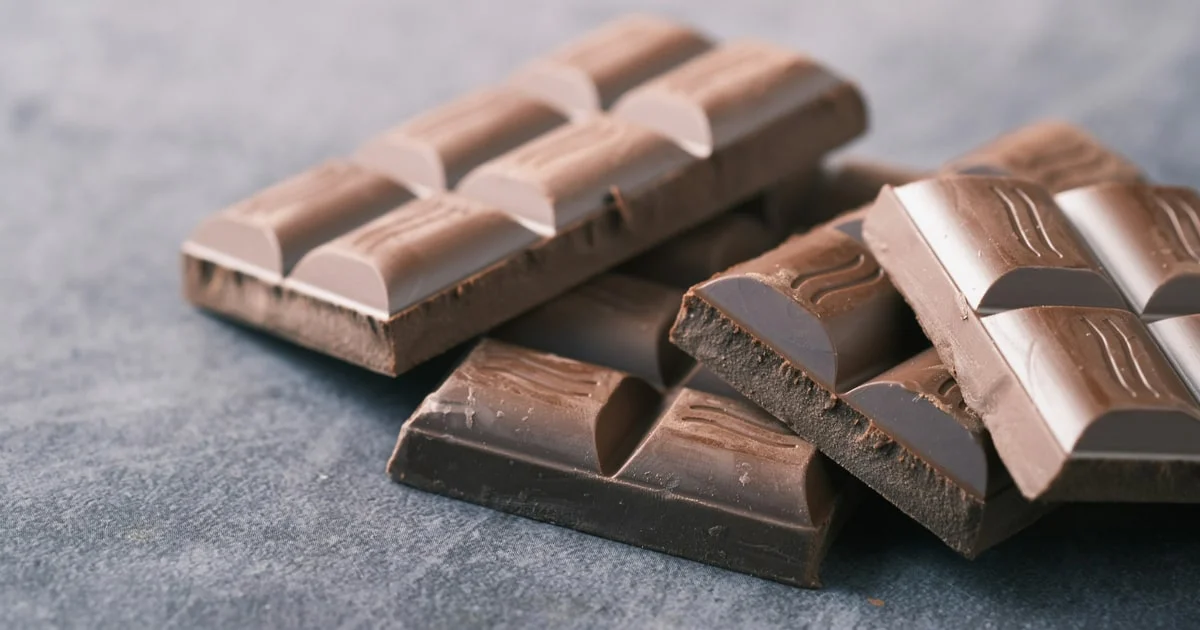
Turkey is one of the few countries where a halal certificate on a chocolate bar means something checkable. There is a state accreditation system, a public register of accredited certifiers, and manufacturers who publish their actual certificates.
That also makes it a market where the details matter, because two different organisations both trade as “TSE” and the biggest brand in the country is not certified by the body most shoppers expect.
Start With the System, Not the Brand
HAK, the Helal Akreditasyon Kurumu, is Turkey’s state halal accreditation body. It was established in 2017 under Law No. 7060 and began accrediting in 2019. It does not certify companies. It accredits the bodies that certify companies.
The rule that changed everything: since 4 June 2023, HAK accreditation has been mandatory for any organisation doing halal conformity assessment for the Turkish market. Its public register lists around eighty-eight accredited organisations and shows whether each is active, suspended or cancelled.
So a Turkish halal certificate you can trust should carry a HAK accreditation number on its face. If it does not, that is your first question.
The Two TSEs
This is the single most useful thing on this page.
Türk Standardları Enstitüsü is the Turkish state standards institution, based on Necatibey Caddesi in Ankara. Its halal certification arm holds HAK accreditation 2019-001, valid to December 2029. Its certificates carry a footnote stating they are issued under the religious consultancy of the Presidency of Religious Affairs, the Diyanet.
TSE GLOBAL is Uluslararası Uygunluk Değerlendirme Servisi A.Ş., a private certification company in Ümraniye, Istanbul. It holds HAK accreditation 2020-002. Its certificate numbers use an ICS- prefix.
Both are real. Both are accredited. They are not the same organisation, and a certificate from one tells you nothing about the other. When you read a Turkish certificate, look at the address, the accreditation number and the certificate prefix rather than the letters T, S and E.
GİMDES is the third name you will meet. It is the long-established independent Turkish certifier, and it now holds HAK accreditation 2024-059, valid to July 2029.
Ülker: The Answer People Actually Want
Ülker is the dominant Turkish confectionery name, and its halal status is more assumed than verified.
Ülker does not hold a GİMDES certificate. We checked the GİMDES certified-products database for the biscuit, chocolate, cake and confectionery category. It lists small and regional producers. Ülker is not there, and neither are Eti, Şölen, Torku or Nestlé. Turkish consumers ask about this often enough that there are standing complaint threads titled, in effect, “why doesn’t Ülker have a GİMDES certificate?”
What Ülker does have is a claim from the top. Murat Ülker, chairman of parent group Yıldız Holding, has written publicly that “all our factories in Türkiye, as well as our factories in India, Kazakhstan, Cairo, Jeddah, Riyadh, and the three factories in the United States of America have Turkish Standard (TSE) Halal certification.”
Take that at face value and it is meaningful. But note what it does not do. It names no certificate number, no scope category and no dates, and it does not isolate chocolate from biscuits or anything else. Turkish state halal certificates run for three years, so a statement of this kind does not establish current status.
We could not retrieve a certificate from Ülker’s own site, which blocks automated access.
The honest position: Ülker’s parent group states its Turkish factories are TSE certified, Ülker holds no GİMDES certificate, and no chocolate-specific certificate with a number, scope and expiry is publicly available.
Şölen: A Certificate You Can Actually Read
Şölen Çikolata of Gaziantep does what almost nobody else does. It publishes its certificate, and the certificate names products.
- Certificate ICS-MS-HL-2023/020, issued by TSE GLOBAL, carrying HAK accreditation 2020-002
- Audited against TS OIC/SMIIC 1:2019, the OIC halal food standard
- Category C4, covering cocoa products, sugar confectionery and flour products
- An annex listing 508 individual products
Brands inside that scope include Biscolata (Chococips and Chocodan’s), Amada, Boombastic, Ozmo, Topstar, Triplex, the Şölen Butik candy range and Luppo.
That level of detail is the strongest evidence class available. Not “the company is certified” but “this exact product was audited and named.”
The catch is the date. The certificate’s certification expiry reads 9 July 2026, which has passed. Either Şölen has not published the renewal or the certificate has lapsed. We cannot tell which, so we do not describe Şölen as currently certified. Check for a newer certificate before relying on it.
Torku: Certified, But Read the Scope
Torku, made by Panagro in the Konya Şeker group, holds a certificate from the state Türk Standardları Enstitüsü, number 060067-HG-02/09, first issued in 2014 and valid to 4 November 2026. It carries the HAK 2019-001 accreditation mark and the Diyanet footnote, and TSE publishes an online verification tool where the certificate can be checked.
That certificate covers dairy, not chocolate bars. Its scope is milk and dairy products, including flavoured milks. “Çikolatalı süt” is chocolate-flavoured milk, not chocolate.
Konya Şeker’s own certificates page separately lists TSE halal certification for its confectionery facility, scoped to biscuits, wafers, cakes, tahini, Turkish delight, jellies, cocoa-hazelnut spreads and chocolate products. We did not open that certificate, so we have no number or expiry for the chocolate scope.
Eti and the Discounter Brands
Eti: we found nothing in either direction. It is not in the GİMDES database, and Eti’s own certificate pages returned errors. Report this as “no certificate found”, not as “uncertified”.
BİM, A101 and ŞOK own-brand chocolate: unresearched. We could not establish the brand names, the manufacturers or any certification. If you buy discounter chocolate in Turkey, the certificate on the pack is your only guide.
What About Alcohol and Gelatine?
We are not going to tell you what we could not check.
Alcohol: we found no ingredient declaration, manufacturer statement or certifier note about alcohol-based flavourings in Turkish chocolate, in either direction. What we can say is that we saw nothing resembling Switzerland’s liqueur-praline category in Turkish ranges.
Gelatine: the one concrete data point is that jelly confectionery sits inside Şölen’s audited scope, which means an auditor accepted it. That tells you a certificate covered it. It does not tell you the animal source or the slaughter method, and no source states them.
How to Shop Turkish Chocolate
- Look for a HAK accreditation number on any certificate mark. Since June 2023 an unaccredited certifier is not valid for the Turkish market.
- Read which body issued it. Ankara address and accreditation 2019-001 is the state institution. Istanbul address, ICS prefix and accreditation 2020-002 is TSE GLOBAL. GİMDES is 2024-059.
- Check the expiry. Turkish state halal certificates run three years, and we found more than one confectionery certificate reaching expiry in 2026.
- Do not assume the big names. Ülker’s certification rests on a corporate statement rather than a published certificate, and Eti has nothing published at all.
- Prefer a certificate that names your product. Şölen’s annex model, listing individual products, is the standard to hold others to.
Summary
| Brand | Certification evidence | Status |
|---|---|---|
| Şölen (Biscolata, Ozmo, Luppo, Amada) | Published certificate naming 508 products | Strong, but expired 9 July 2026 |
| Torku | State TSE certificate, dairy scope, valid to Nov 2026; separate confectionery scope listed | Partly verified |
| Ülker | Parent group statement only, no number or scope. No GİMDES certificate | Unverified |
| Eti | Nothing found either way | Unknown |
| Nestlé Türkiye | Not verified | Unknown |
| BİM, A101, ŞOK own brands | Unresearched | Unknown |
Ingredients change. Be first to know.
Brands reformulate without warning. We track every E-code update and halal certification — one short weekly email.
Related Articles
 Shopping Guides
 Halal Chocolate in Switzerland: Lindt, Frey, Toblerone and the Liqueur Praline Problem
No mainstream Swiss chocolate bar carries halal certification, and Lindt says so itself. The real Swiss issue is alcohol: kirsch and Marc de Champagne fillings are a whole supermarket category. Swiss packs must warn you, which makes them easier to read than most.
 Shopping Guides
 Is Milka Chocolate Halal? Complete EU & UK Guide (2026)
Milka chocolate is Mushbooh — it contains E476 (PGPR) and E471 with undisclosed animal fat sources and no halal certification in UK or EU.
 Shopping Guides
 Halal Shopping at Coles: Aisle-by-Aisle Australia Guide (2026)
Coles stocks halal-certified meat from accredited abattoirs but own-brand packaged goods require E-code checking — here's what to look for in each aisle.