
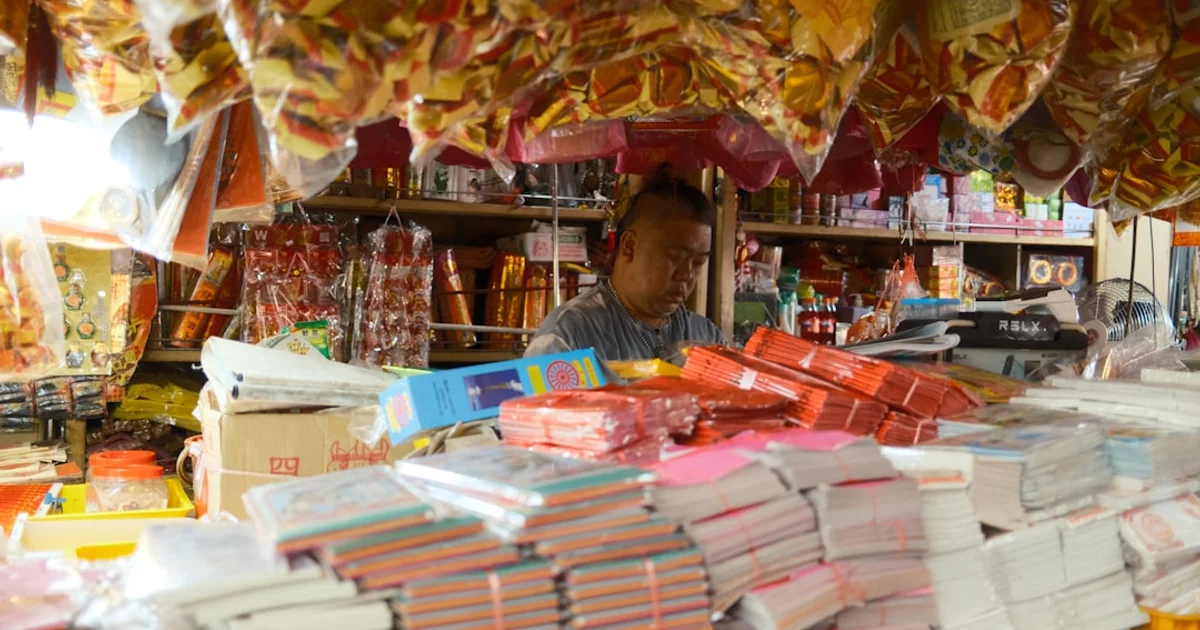
Indonesia is home to the world’s largest Muslim population — around 230 million people, accounting for roughly 87% of the country. It should come as no surprise that halal certification here is not a marketing differentiator; since October 2024, it is a legal requirement. Every food product sold in Indonesia must carry certification from MUI (Majelis Ulama Indonesia) or its regulatory partner, BPJPH (Badan Penyelenggara Jaminan Produk Halal).
For chocolate lovers, this matters. Whether you are buying a local bar of SilverQueen at a minimarket or picking up imported Ferrero Rocher at a supermarket, understanding how the MUI system works will save you from guesswork at the shelf.
This guide covers the major chocolate brands available in Indonesia, what to look for on the label, and which e-codes in chocolate are worth understanding.
Why MUI Certification Is the Standard in Indonesia
Unlike countries where halal certification is optional or community-led, Indonesia has embedded halal compliance into national law. The Halal Product Assurance Law (UU JPH) requires mandatory certification for all food, beverages, and food-contact products. MUI has historically been the issuing body, and BPJPH now oversees the broader framework.
What this means practically: if a product is sold legally in Indonesian retail, it should carry the MUI or BPJPH halal mark. For domestic brands this is straightforward. For imported products, look for a green hologram sticker on the box or pouch — this is the MUI-issued import endorsement, not just a foreign certification.
Indonesian Chocolate Brands and Their Halal Status
SilverQueen — MUI Certified
SilverQueen is Indonesia’s most recognised chocolate brand, produced by the Mayora Group. It covers milk chocolate bars, cashew and almond variants, and wafer-filled options. All mainstream SilverQueen products carry MUI certification. The MUI logo appears on the wrapper alongside Mayora’s own quality marks.
SilverQueen uses E471 (mono- and diglycerides of fatty acids) as an emulsifier. In the context of MUI-audited products, the E471 used is derived from plant-based fat sources confirmed during the audit. This is one of the advantages of the MUI framework — the certification covers the entire ingredient supply chain, not just the final product.
Status: Halal (MUI-certified)
Delfi Chocolate — MUI Certified (Selected Lines)
Delfi is a Singaporean-origin brand that manufactures in Indonesia. Its Indonesian-made lines — including Delfi Milk Chocolate and Delfi Almonds — carry MUI certification. The brand was formerly linked to Petra Foods, and its Indonesian operations have been compliant with MUI requirements for many years.
If you are buying Delfi outside of Indonesia, check whether the specific variant was manufactured locally or imported.
Status: Halal (MUI-certified, Indonesian-manufactured lines)
Cadbury Indonesia (Mondelez Indonesia) — MUI Certified
Cadbury products manufactured by Mondelez Indonesia carry MUI certification. This includes the popular Cadbury Dairy Milk bars and Cadbury Choco Spread sold across Indonesian retail chains.
This is an important distinction: Cadbury manufactured in Malaysia carries JAKIM certification, and Cadbury manufactured in the UK carries HFA certification. None of these automatically transfer to MUI status. If you are buying Cadbury in Indonesia, confirm the packaging shows “Diproduksi oleh Mondelez Indonesia” and displays the MUI logo.
Status: Halal (MUI-certified, Indonesia-manufactured only)
Van Houten Indonesia — MUI Certified Variants
Van Houten cocoa powder and some chocolate products sold in Indonesia carry MUI certification. The brand is widely used in Indonesian home baking. Always check the packaging, as Van Houten is distributed across multiple markets with varying production origins.
Status: Halal (MUI-certified variants — check label)
Tobelo Dark Chocolate — Local Sulawesi Origin
Tobelo is a smaller artisan brand using cacao sourced from Sulawesi, one of Indonesia’s premium cacao-growing regions. It is MUI-certified and is increasingly available in specialty food stores and online platforms. If you are looking for a locally-produced dark chocolate with full traceability, Tobelo is worth knowing.
Status: Halal (MUI-certified)
Imported Chocolates: A More Complicated Picture
Imported chocolate requires extra attention in Indonesia. Since the 2024 law came into effect, all imported food products must show a valid MUI endorsement sticker to be sold legally.
Ferrero Rocher — Check for MUI Hologram
Ferrero Rocher is widely available in Indonesian supermarkets and gift shops. Boxes intended for the Indonesian market carry a green MUI hologram sticker, which indicates the product has been assessed and approved for import by MUI. Without this sticker, the product has not passed Indonesian halal verification.
Status: Halal — if MUI hologram sticker is present on the box
Lindt, Milka, Kinder — Not MUI Certified
These European brands are sometimes found in imported goods sections or specialty stores. They are not MUI-certified for the Indonesian market. Lindt and Milka may carry European halal marks, but those are not accepted as equivalent under Indonesian law.
Kinder products warrant additional caution due to the presence of animal-derived ingredients in some variants. For a detailed breakdown, see our post on is chocolate halal.
Status: Mushbooh — no MUI certification; verify before buying
E-Codes to Watch in Indonesian Chocolate
Understanding a few key emulsifier codes will help you read labels confidently:
-
E471 — Mono- and diglycerides of fatty acids: Common in chocolate. Can be derived from animal fat or plant fat. In MUI-certified products, the plant-based source is confirmed through audit. In non-certified imported chocolate, the source is unconfirmed.
-
E322 — Lecithin: Almost universally derived from soya or sunflower in chocolate manufacturing. Considered Halal. This is a low-concern emulsifier.
-
E476 — PGPR (Polyglycerol polyricinoleate): Used to reduce viscosity in cheaper chocolate formulations. PGPR is derived from castor oil (a plant source), and is generally accepted as Halal, but if you are being thorough, look for MUI certification to confirm the supply chain.
For a broader look at how chocolate emulsifiers affect halal status, see our guide on best halal chocolate bars online.
Quick Reference: Chocolate Brands in Indonesia
| Brand | Manufactured In | Certification | Status |
|---|---|---|---|
| SilverQueen | Indonesia (Mayora) | MUI | Halal |
| Delfi | Indonesia | MUI | Halal |
| Cadbury | Indonesia (Mondelez) | MUI | Halal |
| Van Houten (ID) | Indonesia | MUI | Halal |
| Tobelo | Indonesia (Sulawesi) | MUI | Halal |
| Ferrero Rocher | Italy (imported) | MUI hologram required | Halal if sticker present |
| Lindt | Switzerland (imported) | None (MUI) | Mushbooh |
| Milka | EU (imported) | None (MUI) | Mushbooh |
| Kinder | EU (imported) | None (MUI) | Mushbooh |
How to Verify the MUI Logo
- Look for the green circular badge with Arabic script in the centre. The newer BPJPH national label (introduced 2022) is a purple/green geometric design — both are valid.
- On imported products, look for a hologram sticker. Run your fingernail across it — a genuine hologram has a slightly raised texture.
- Check the registration number on the MUI website (halalmui.org) if you want to verify a specific product’s certificate.
- Beware of photocopied or printed logos on handmade or market stall products — these are not equivalent to an audited certification.
Summary
Indonesia’s mandatory halal certification law makes chocolate shopping more straightforward than in most countries — if a product is on a mainstream supermarket shelf, it should be certified. The risk area is imported chocolate in specialty stores, where MUI stickers may be missing or unverified.
For everyday buying: SilverQueen, Delfi, Cadbury Indonesia, and Van Houten are your safe domestic options. For imported chocolate, look for the MUI hologram before buying.
If you are travelling to Indonesia or sending chocolate gifts, this guide should give you a reliable starting checklist. For more on reading chocolate labels globally, see our full guide on is chocolate halal.
Ingredients change. Be first to know.
Brands reformulate without warning. We track every E-code update and halal certification — one short weekly email.
Related Articles
 Shopping Guides
 Halal Chocolate in Malaysia: JAKIM-Certified Brands and What to Check (2026)
Malaysia is Muslim-majority with JAKIM certification as the gold standard. Cadbury Malaysia and Kit Kat Malaysia are JAKIM-certified, but imported chocolate without a logo is uncertain.
 Shopping Guides
 Is Dubai Chocolate Halal? Fix vs the Viral Copycats (2026)
The original Fix Dessert Chocolatier Dubai chocolate is halal-certified and alcohol-free. The viral copycats are Mushbooh — check the emulsifier, flavouring and certification first.
 Shopping Guides
 Halal Shopping at Coles: Aisle-by-Aisle Australia Guide (2026)
Coles stocks halal-certified meat from accredited abattoirs but own-brand packaged goods require E-code checking — here's what to look for in each aisle.