
Parents navigating halal requirements for their babies face a particular challenge: the UK baby food market is dominated by brands that do not seek halal certification, and the ingredient concerns are different from adult food. Gelatine might appear in yoghurt pouches. Vitamin D3 source matters. Meat-containing products are the biggest concern. This guide breaks down what to check and where to find genuinely safe options.
The Key Halal Concerns in Baby Food
1. Meat-Containing Products
Chicken, beef, and lamb baby food pouches and jars are the highest priority concern. For these products, the halal question is the same as for adult food: was the animal slaughtered according to Islamic requirements? Without a halal certification logo, there is no way to confirm this from the label alone.
Most mainstream UK baby food brands source their chicken and beef from European agricultural supply chains that use conventional (non-halal) slaughter. None of the major mainstream brands — Ella’s Kitchen, HiPP, Heinz, Cow & Gate, Organix — hold halal certification for their meat products.
2. Gelatine in Yoghurt and Dairy Pouches
Some baby food products — particularly yoghurt-style pouches — contain gelatine as a thickener or stabiliser. This appears as “gelatine,” “E441,” or “thickening agent.” Without a halal certificate, gelatine is assumed to be porcine (from pigs).
Check any dairy-based or yoghurt baby food carefully. Plain yoghurt pouches without added gelatine are safer — look for “thickener-free” or check that no gelatine appears in the ingredients.
3. Vitamin D3 Source
Many fortified baby foods and follow-on milks contain added Vitamin D3. As discussed in the supplements guide, D3 is typically derived from lanolin (sheep’s wool) — which is mushbooh under some scholars’ rulings — or from lichen (plant-derived, clearly halal). For baby formula and fortified foods, this is worth noting but is a lower-priority concern than meat source or gelatine.
4. Natural Flavourings
Some baby foods use “natural flavourings” as a catch-all ingredient. These can theoretically include animal-derived compounds. In practice, reputable baby food brands selling to the UK market are unlikely to use controversial flavourings in baby products, but the concern exists for consumers who want certainty.
Major UK Baby Food Brands: Halal Status
Ella’s Kitchen
Halal certified: No
Ella’s Kitchen is the UK’s bestselling baby food brand, known for its organic ingredient pouches. They do not hold halal certification.
Vegetable and fruit pouches (e.g., The Green One, The Yellow One): No meat content — halal by default. These make up most of Ella’s Kitchen’s range and are safe for Muslim babies.
Meat-containing pouches (e.g., Chicken & Sweet Potato): Not halal certified. The chicken is not guaranteed to be halal-slaughtered. Muslim parents should avoid these specific products or contact Ella’s Kitchen directly.
Recommendation: Ella’s Kitchen’s vegetable-only range is fine. Avoid meat-containing varieties.
HiPP Organic
Halal certified: No
HiPP Organic is a German brand with strong organic credentials but no halal certification. Similar situation to Ella’s Kitchen:
Plain fruit/vegetable jars and pouches: No meat — halal by default. Meat-containing jars (chicken, beef, lamb varieties): Not halal certified. HiPP has confirmed to consumers asking that their meat is European-sourced conventional slaughter.
Recommendation: HiPP’s fruit and vegetable range is safe. Avoid meat-containing products.
Heinz Baby
Halal certified: No
Heinz baby food (including Farley’s rusks and stage meals) is not halal certified. Farley’s rusks are generally plant-based — check the ingredient list; they should be halal.
For Heinz stage meals with meat: not halal certified.
Cow & Gate
Halal certified: No
Cow & Gate is one of the UK’s major baby formula and baby food brands. Their baby formula (Stage 1, Stage 2, Follow-On) contains dairy; no halal concerns specific to the formula milk itself. Baby food meals with meat are not halal certified.
Organix
Halal certified: No
Organix makes snack-style baby and toddler foods (finger foods, puffs, biscuits). Their products are typically plant-based and do not contain meat. Most Organix products are halal by default. Check ingredients for any animal derivatives in flavourings.
Al-Shifa Baby Food
Halal certified: Yes
Al-Shifa is a halal-certified baby food brand available in some UK Asian grocery stores and online. Their range is specifically developed for Muslim consumers. If you want certified halal baby food with meat, this is the primary option in the UK market.
The Safest Approach: Homemade Baby Food
For Muslim parents who want certainty, homemade baby food using halal-certified ingredients from a trusted source is the gold standard. The method:
- Buy halal-certified meat from an HMC-certified halal butcher
- Cook thoroughly — chicken, beef, or lamb cooked until fully tender
- Blend or mash to age-appropriate texture
- Combine with vegetables — sweet potato, butternut squash, carrot, peas, broccoli (all halal)
- Freeze in portions using an ice cube tray for batch preparation
A Sunday afternoon prep session can produce a week’s worth of halal baby meals at a fraction of the cost of pouches — and with complete certainty about ingredient sources.
Ready-Made Safe Options
For parents who need convenience:
Vegetable and fruit-only pouches (any brand): No meat = no halal slaughter concern. Ella’s Kitchen, HiPP, Organix vegetable ranges are all safe.
Supermarket own-brand vegetable pouches: ASDA, Morrisons, Tesco, and Sainsbury’s own-brand baby vegetable pouches are typically halal. Check for gelatine in the ingredients (unlikely in vegetable pouches but worth confirming).
Al-Shifa brand: Halal-certified baby food with meat varieties. Seek out in Asian grocery stores or online.
Plum Organics vegetable range: Plant-based varieties are halal. Check for any meat-containing products within their range.
What About Baby Formula?
Standard UK baby formula (Cow & Gate, Aptamil, SMA, HiPP) is dairy-based. The milk itself is halal. No slaughter concerns apply to formula milk. Better still, much of it is now formally halal certified: Kendamil states all its Classic and Organic products are certified, and Danone (Aptamil, Cow & Gate) and Nestlé (SMA) publish per-product halal lists — see which UK baby formulas are halal certified for the brand-by-brand breakdown.
The minor concern: some formula contains Vitamin D3 (lanolin-sourced, mushbooh position) and some contain DHA from algae (clearly halal) or from fish oil (halal, but check the capsule concern doesn’t apply to powdered formulas — it doesn’t, the oil is incorporated directly).
For Muslim families: standard UK baby formula is considered halal by the vast majority of scholars. The Vitamin D3 concern is typically classified as minor and the formula is widely considered permissible.
Toddler and Stage 2+ Foods
As babies move onto solid finger foods and toddler meals, the same principles apply:
- Meat-containing products: Need halal certification
- Plant-based and dairy: Generally safe (check gelatine)
- Toddler biscuits and snacks: Check for gelatine and animal-derived natural flavourings
- Yoghurt pouches: Check for gelatine thickener
Ella’s Kitchen Toddler pouches with chicken are not halal certified. Organix toddler snacks (Carrot Puffs, Fruit Bars) are plant-based and safe.
Summary
| Brand | Vegetable/Fruit Pouches | Meat-Containing Products | Halal Certified |
|---|---|---|---|
| Ella’s Kitchen | Safe | Not halal certified | No |
| HiPP Organic | Safe | Not halal certified | No |
| Heinz Baby | Check label | Not halal certified | No |
| Cow & Gate | Safe | Not halal certified | No |
| Organix | Mostly safe | N/A (plant-based) | No |
| Al-Shifa | N/A | Halal certified | Yes |
| Homemade | N/A | Best option | Use halal butcher |
| Verdict | Vegetable-only pouches safe | Meat pouches need certification | Homemade or Al-Shifa for meat |
For a deeper dive into formula brands, E numbers in baby food, and E471 specifically — see the Halal Baby & Kids Food Complete Guide.
Ingredients change. Be first to know.
Brands reformulate without warning. We track every E-code update and halal certification — one short weekly email.
Related Articles
 Shopping Guides
 Halal Cat Food Brands Compared: UK & US Options in 2026
Tiana, Hurayra, Alif and Fussy Feast compared — certification, formats and prices — plus the honest answer for US buyers where no certified brand exists yet.
 Shopping Guides
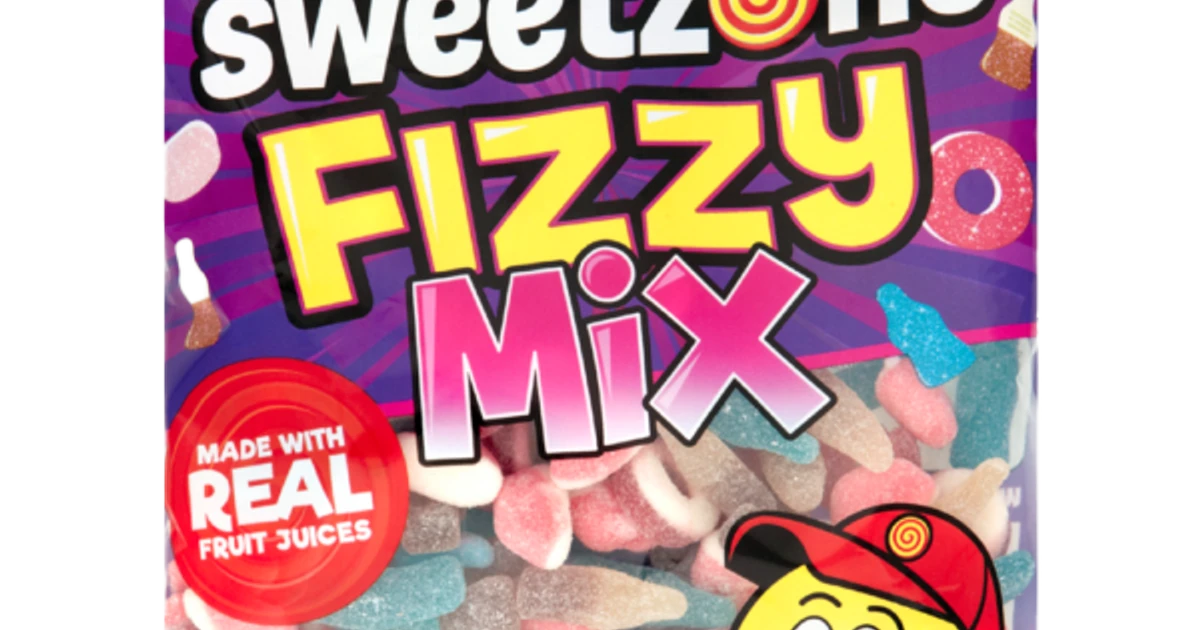
 Best Halal Snacks to Buy Online UK 2026 — Verified Picks
The best halal-certified snacks to buy online in the UK in 2026 — from gummy sweets to jerky, protein bars, and ramen. All picks verified halal.
 Shopping Guides
 Halal Supplements Complete Guide: Vitamins, Protein, Collagen & Fish Oil (2026)
Most supplement capsules use pork gelatine. This complete guide covers every major category — vitamins, protein, collagen, omega-3 — and lists UK halal brands.