
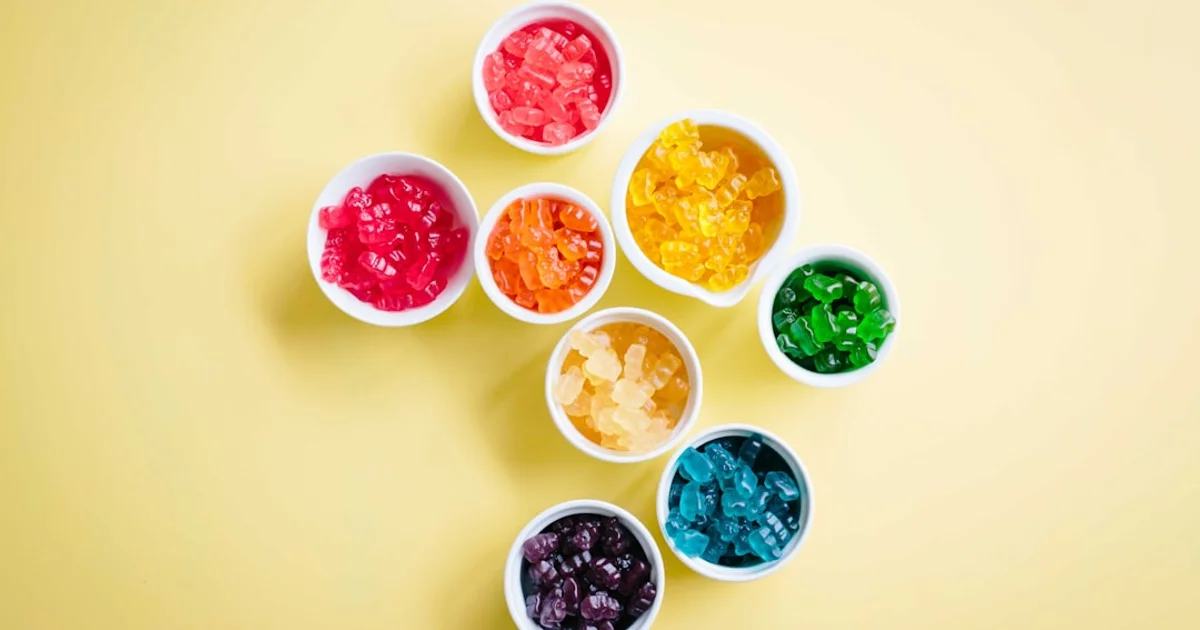
Gelatine-related searches from Italy on this site are modest in volume but consistent — generic “gelatin”/“gelatina” queries alongside specific brand checks like Haribo. That’s the exact category where the halal question matters most: gummy sweets are gelatine’s biggest use case in confectionery, and Italy’s own halal certification infrastructure doesn’t automatically cover imported gummy brands.
Is Gelatine in Italian Gummy Sweets Halal?
The default answer, absent specific confirmation, is no. Most gummy sweets sold in Italy — whether manufactured domestically or imported from Germany (Haribo, Trolli) — use gelatine as the primary gelling agent, and European gummy manufacturers overwhelmingly default to pork-derived gelatine unless the label specifically states otherwise (“beef gelatine” or “halal”). Our complete guide to gelatine covers this in more depth.
Is Haribo Halal in Italy?
Haribo is Varies on this site, and the standard Italian-market range follows the same pattern documented for the UK and other European markets: Goldbären and most core gummy lines use pork-derived gelatine, with no halal certification. One genuine, documented exception is Sour Sparks, which uses starch rather than gelatine as its texture agent and is marketed as suitable for vegetarians — though it still lacks certification, keeping it at Mushbooh rather than a confirmed Halal.
Italy’s Halal Certification Landscape — WHA
WHA (Ente Internazionale di Certificazione Halal) is Italy’s primary halal certification body, and it carries real international weight — since January 2018, WHA has operated under mutual recognition with GIMDES, Turkey’s rigorous certification authority, meaning WHA-certified products are also recognised under GIMDES standards. WHA certifies a range of Italian-made food products, but mainstream international gummy sweet brands like Haribo and Trolli generally aren’t part of that certified range for their standard confectionery lines.
What to Check When Buying Gummy Sweets in Italy
- Look for “gelatina di manzo” (beef gelatine) or a halal logo on the specific pack — plain “gelatina” defaults to assume pork-derived.
- Check for the WHA certification mark if you want confirmed Italian-certified confectionery.
- Pectin-based alternatives (marked “senza gelatina” / gelatine-free) sidestep the question entirely — look for these if certification isn’t available.
Summary
| Question | Answer |
|---|---|
| Is Haribo halal in Italy? | No for most of the range — pork gelatine, no certification |
| Italy’s main halal certifier | WHA, mutually recognised with Turkey’s GIMDES |
| Safest gummy option | Pectin-based (“senza gelatina”) or certified alternatives |
Look up any E-code from a packaged product in the E-codes database.
To scan a full ingredient list for halal status in seconds, use the ingredient scanner.
How we reached this verdict
We checked the following Tier-1 sources before publishing this verdict:
- Halal certification bodies: confirmed WHA as Italy’s main halal certifying body, with mutual recognition from Turkey’s GIMDES since 2018.
- Search data: Italian search activity on this site’s own analytics shows generic gelatine queries alongside Haribo-variant searches.
- Cross-reference: consistent with this site’s existing Haribo brand page, which documents the pork-gelatine default across the standard European range and the genuine Sour Sparks exception.
Madhab note
The four Sunni madhabs broadly converge on the rules applied in this guide:
- Pork-derived gelatine — Haram across all four madhabs, no exceptions.
- Unlabelled gelatine in European confectionery — the industry default assumption of pork-derived sourcing (absent a “beef gelatine” or halal statement) is treated consistently across all four madhabs as grounds for caution.
If your madhab differs on this default assumption, consult a competent scholar in your tradition for guidance.
Ingredients change. Be first to know.
Brands reformulate without warning. We track every E-code update and halal certification — one short weekly email.
Related Articles
 Shopping Guides
 Halal Chocolate in South Korea: Lotte Ghana, Choco Pie's Two Recipes and KMF (2026)
Korea's own chocolate — Lotte Ghana, Crunky, ABC — is uncertified for the domestic market. Orion's Choco Pie exists in two recipes: pork gelatine in Korea, beef gelatine and JAKIM/MUI/GCC certification from Vietnam. Here is how to tell them apart on the shelf, and which Korean confectionery KMF actually certifies.
 Shopping Guides
 Halal Bakery, Cakes and Gummies in South Africa: Albany, Woolworths, Beacon (2026)
South Africa is the easiest country in this series: Albany's bakeries sit on SANHA's public register, Sasko is certified for flour, and Woolworths prints the SANHA logo on what its certified suppliers make. Beacon Jelly Tots are starch-set with no gelatine; Beacon's gelatine lines say 'bovine'. Here is the logo rule.
 Shopping Guides
 Halal Sweets and Candy in Ireland: Haribo, Rowntree's and the Certified Aisle (2026)
Ireland has no locally certified confectionery brand. Haribo on Irish shelves is the UK/German pork-gelatine stock; Rowntree's Fruit Pastilles and Jelly Tots are gelatine-free; Lily O'Brien's certifies its desserts, not its chocolates. The certified gummies are imports — Bebeto, Sweetzone, Vidal.