
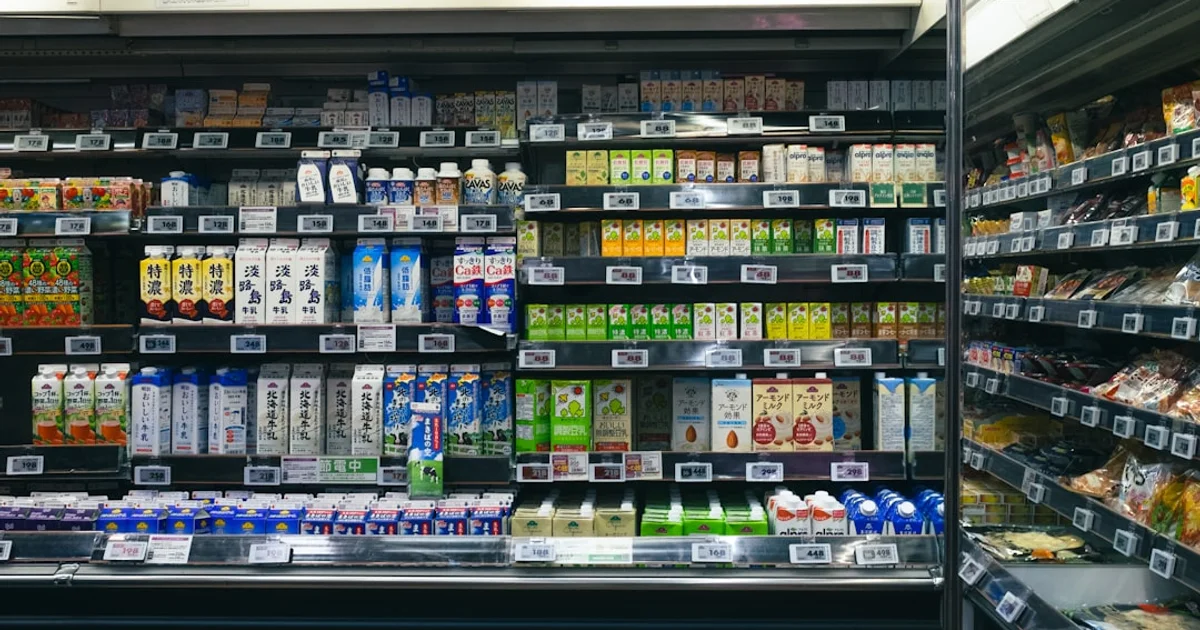
Hong Kong is a city where you can eat certified halal in more than a hundred restaurants and still have no idea whether the ice cream in the supermarket freezer is halal. The reason is structural: the territory’s one recognised certifier publishes a restaurant list, not a packaged-goods register. So there is no Hong Kong equivalent of JAKIM’s or MUIS’s product database to check a tub of Kowloon Dairy against.
This guide works with that reality — brand by brand, then the import rule that actually makes halal dairy shopping in Hong Kong workable.
The Certifier: Board of Trustees, Restaurants First
The Incorporated Trustees of the Islamic Community Fund of Hong Kong (“the Board of Trustees”) is the body the Hong Kong government recognises for the territory’s Muslim communities. It conducts halal inspections and issues certificates “under the strict supervision of our Imams”, and it maintains the list of halal-certified restaurants in Hong Kong and Macau that the Tourism Board republishes. In 2024 it announced an aim to certify 500 restaurants.
What it does not do is publish a consumer-facing register of certified packaged products. Some manufacturers do hold Board of Trustees certificates for export or foodservice — but you cannot look a supermarket product up. That single fact shapes everything below.
Kowloon Dairy: Milk Fine, Ice Cream Not
Kowloon Dairy (founded 1940) is the territory’s best-known local milk brand and also makes ice cream. We found no halal certification for any Kowloon Dairy product.
- Plain milk — a single-ingredient product with no halal concern.
- Ice cream — the Deluxe Coconut Ice Cream Cone’s published list includes gelatine and emulsifier E471, both of undisclosed source, plus E433 (polysorbate 80) and stabilisers E412, E410, E407. Gelatine of undisclosed origin is the disqualifier; E471 and E433 are the secondary questions.
Verdict for Kowloon Dairy ice cream: Mushbooh, Haram-leaning for any product listing gelatine. Read the cone and the tub separately — recipes differ across the range.
Trappist Dairy: Flavoured Milk and E471
Trappist Dairy (Yuen Long, founded 1956 by the Trappist monastery on Lantau) makes milk and flavoured milk drinks. No halal certification found. The plain milk is clean; the Hi-Calcium Low Fat and Strawberry Low Fat milk drinks list stabiliser/emulsifier E471 alongside E401, E407, E412 and E460. E471 with no source statement is Mushbooh under the mainstream rule.
Vitasoy: A Philippines Certificate, Not a Hong Kong One
Vitasoy (Tuen Mun, founded 1940) is the brand most readers assume is safe, and its soy milk is ingredient-simple. But be precise about the certificate: the 2026 “Vitasoy is now officially Halal-certified” announcement carries a Philippine hashtag and is a Vitasoy Philippines statement for that market. Separately, Hong Kong-made Vita lemon tea and malt-soy drinks are sold in Singapore with a “HALAL” label on the listing, which points to an export certification — but we could not find the certificate itself published for Hong Kong-market product.
Practical reading: plain Vitasoy soy milk and Vita lemon tea are clean on ingredients. The Vita milk tea and dairy-creamer lines need their emulsifier line read like any other flavoured milk.
The International Freezer: Use the Brand Verdicts
Hong Kong’s premium ice cream shelf is Häagen-Dazs, Dreyer’s and Mövenpick, imported. These carry no Hong Kong certificate, but two of them have standing verdicts on this site:
Häagen-Dazs plain flavours — vanilla, strawberry, chocolate — use one of the shortest ingredient lists in mass-market ice cream: cream, skimmed milk, sugar, egg yolks, and natural flavouring, usually without E471. That's genuinely better than most competitors. But the range includes flavours built around alcohol — rum raisin, Irish cream, and other liqueur-based varieties — which are Haram outright. Nothing in the range carries halal certification, so even the cleanest plain flavours land at Mushbooh rather than a confirmed Halal.
Full Häagen-Dazs brand guide →Mövenpick sold in the Middle East is produced at a halal-compliant Nestlé factory in Egypt, and the manufacturer's FAQ confirms some SKUs are halal-certified. European SKUs are gelatine-free and vegetarian, but flavours like Rum & Raisin contain real Jamaican rum (0.4% vol alcohol) and are haram outright.
Full Mövenpick brand guide →The plain-flavour rule in the Häagen-Dazs verdict — short list, no gelatine, but liqueur flavours out — is the one to apply across the imported shelf.
The Import Rule That Makes This Workable
Because there is no local product register, the reliable route to certified dairy in Hong Kong is imported product carrying a foreign certifier’s mark. Hong Kong supermarkets (Wellcome, ParknShop, City’super, Yata) stock Malaysian, Australian and New Zealand dairy, and a meaningful share of it is printed with a JAKIM, MUI, AFIC or FIANZ logo because those brands export to Muslim markets. That logo is a checkable certificate — the same one you’d trust in Kuala Lumpur — and it travels with the pack. For butter, UHT milk, cheese and packaged ice cream, this is the shelf to shop.
Local plant-based makers occasionally advertise halal certification (Happy Cow’s coconut ice cream is one that does); treat that as a claim to verify with the certificate, not as a Board of Trustees listing.
Summary
| Question | Answer |
|---|---|
| Is there a Hong Kong halal product register? | No — the Board of Trustees publishes a restaurant list only |
| Kowloon Dairy | Milk fine; ice cream cone lists gelatine + E471 — Mushbooh, Haram-leaning |
| Trappist Dairy | Milk fine; flavoured milk drinks list E471 — Mushbooh |
| Vitasoy | Philippines certificate; HK product uncertified; plain soy milk and lemon tea ingredient-clean |
| Reliable certified dairy | Imported Malaysian/Australian/NZ product with a JAKIM, MUI, AFIC or FIANZ mark |
Check any stabiliser or emulsifier number in the E-codes database, or scan the label with the ingredient scanner. For the general rule on emulsifiers in ice cream, see Is Ice Cream Halal?.
How we reached this verdict
Sources checked September 2026:
- Certifier: islamictrusthk.org halal-certification page (inspection and certification under imam supervision; restaurant list; no product register); Hong Kong Tourism Board’s republished halal restaurant list; South China Morning Post on the 500-restaurant target.
- Kowloon Dairy: company history (est. 1940); Deluxe Coconut Ice Cream Cone ingredient list as transcribed from pack on Open Food Facts (gelatine, E471, E433, E412, E410, E407). No certificate found on kowloondairy.com.
- Trappist Dairy: company history (Yuen Long, 1956); Hi-Calcium Low Fat and Strawberry Low Fat milk drink ingredient lists (E471, E401, E407, E412, E460). No certificate found.
- Vitasoy: Vitasoy Philippines 2026 certification announcement (Philippine market); Singapore retailer listings of Hong Kong-made Vita drinks labelled halal; no Hong Kong-market certificate found.
- Häagen-Dazs, Mövenpick: existing HalalCodeCheck brand verdicts rendered above.
- Fatwa references: IslamQA (Hanafi) and Darul Iftaa Birmingham on gelatine source and undisclosed E471.
Madhab note
- Gelatine of undisclosed source — not permissible under all four madhabs.
- E471 / E433 undisclosed — Mushbooh under the Hanafi/Maliki/Shafi’i mainstream pending plant-source disclosure or certification; the HMC-strict / Hanbali-leaning view requires certification.
- Foreign certification marks — a JAKIM, MUI, AFIC or FIANZ certificate is accepted across the madhabs as verification for the product it names.
For binding rulings, consult a competent scholar in your tradition.
Ingredients change. Be first to know.
Brands reformulate without warning. We track every E-code update and halal certification — one short weekly email.
Related Articles
 Shopping Guides
 Halal Dairy and Ice Cream in Poland: No Certified Ice Cream, and Why the Dairy Certificates Say Export
We found no halal-certified ice cream in Poland from any brand or any certifier. Koral, the country's largest maker, publishes its certificate register and there is no halal certificate in it. The dairy certificates that do exist are marked for export.
 Shopping Guides
 Halal Ice Cream and Dairy in the Philippines: Only One Ice Cream Brand Is in the Register
The Islamic Da'wah Council of the Philippines publishes a register of 1,457 certified products. Exactly one ice cream brand appears in it, and it is not the one you would expect. Selecta claims certification its own certifier's register does not show.
 Shopping Guides
 Halal Ice Cream and Dairy in New Zealand: Tip Top Labels It, But Nobody Names the Certifier
Tip Top tags 24 of its 73 products halal certified on its own site and runs a separate gelatine-free filter. Kāpiti does the same. Neither names a certifier, and FIANZ publishes no dairy client list. Here is what that gap means for a shopper.