
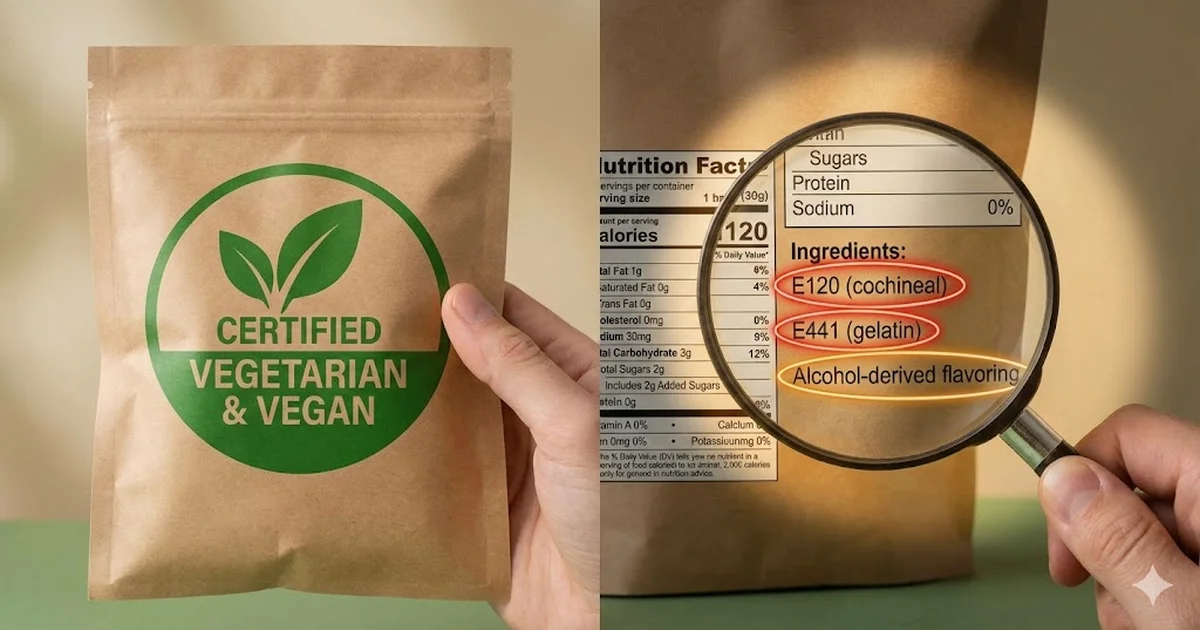
You see “Suitable for Vegetarians” on the label. No meat, no pork - sounds halal, right?
Sometimes it is. But sometimes that shortcut leads you astray, and the gap between “vegetarian” and “halal” is bigger than most people realize.
This isn’t about fear. It’s about knowing where that assumption breaks down - so you can shop faster and with real confidence.
Why People Equate Vegetarian With Halal
The logic makes sense on the surface:
- No meat listed
- No obvious pork ingredients
- No visible alcohol in the product name
But halal and vegetarian are fundamentally different systems. Vegetarian standards focus on meat exclusion. Halal standards cover source, process, contamination risk, and permissibility - a much wider scope.
Where “Vegetarian” Can Still Be Problematic
1. Alcohol-based flavor carriers
A product can be vegetarian and still include flavor extracts processed with alcohol. Vanilla extract is a common example.
2. Ambiguous additives
Codes like E471 can come from plant or animal sources. Additionally, some colorants such as E120 (carmine) are derived from insects - haram for Muslims but permitted under vegetarian standards. A “vegetarian” label reduces the risk, but it doesn’t always guarantee full sourcing transparency. Read more in our E471 halal guide.
3. Shared processing lines
Some facilities process vegetarian and non-vegetarian products on the same equipment. Cross-contamination policies differ by manufacturer and region.
4. Different certification priorities
Vegetarian certifiers and halal certifiers aren’t auditing for the same things. A vegetarian audit won’t check slaughter methods, alcohol processing aids, or contamination from haram sources.
If you’re new to food additive codes, start with our E-Codes Halal Guide.
Is Vegetarian Food Haram?
Not by default. Many vegetarian products are perfectly halal.
The key point: “vegetarian” is a useful signal, not a halal ruling.
Think of it as a hierarchy of confidence:
- Halal-certified - highest confidence, source already verified
- Verified ingredients - you’ve confirmed additive sources with the manufacturer or a tool
- Vegetarian label only - helpful starting point, but gaps remain
The 60-Second In-Store Check
Next time you’re holding a “vegetarian” product without halal certification, use this flow:
- Check for halal logo - if it’s there, you’re done
- Scan the ingredient list - takes seconds, flags every risky additive
- Watch for E471, E472, E441 - these are the most common source-dependent codes
- If unclear, pick another brand - verify later at home, buy the safer option now
This keeps your shopping moving without compromising your standards.
Real Examples of Better and Worse Signals
Strong signals
- Halal certification from a recognized body
- Clear statements like “plant-derived emulsifier”
- Transparent FAQ pages from brand websites
Weak signals
- “Suitable for vegetarians” with no additive-source detail
- Generic “natural flavors” with no clarification
- Customer support that cannot confirm source
FAQ
If a product is vegan, is it automatically halal?
Vegan removes many halal risks, but some Muslims still check for processing aids and alcohol-related ingredients. Vegan is a stronger signal than vegetarian, but it’s still not a halal certification.
Should I avoid all vegetarian products?
No - that would mean missing out on many perfectly halal options. Use verification, not blanket rejection. Many vegetarian products pass halal checks easily.
What’s the fastest way to verify unclear labels?
Scan the label with HalalCodeCheck. It flags source-dependent ingredients instantly. Over time, build a trusted product list so you don’t re-check the same items.
Does this apply to kids’ snacks too?
Especially. Confectionery, dairy products, and bakery products are the highest-risk categories for hidden non-halal ingredients. See our gelatin guide for the biggest offender.
What To Do Next
“Vegetarian” is a useful starting point - but it’s not a halal guarantee.
The gap is small in many cases, but when it matters (E471, gelatin, alcohol-based processing), it matters a lot. One extra step closes that gap:
Scan your next “vegetarian” product and see exactly what’s inside. It takes seconds, and you’ll shop with real confidence - not assumptions.
Seen an E-code in this article?
Look it up instantly — 370+ codes, halal status in one click.
Ingredients change. Be first to know.
Brands reformulate without warning. We track every E-code update and halal certification — one short weekly email.
Related Articles
 Food & Ingredients
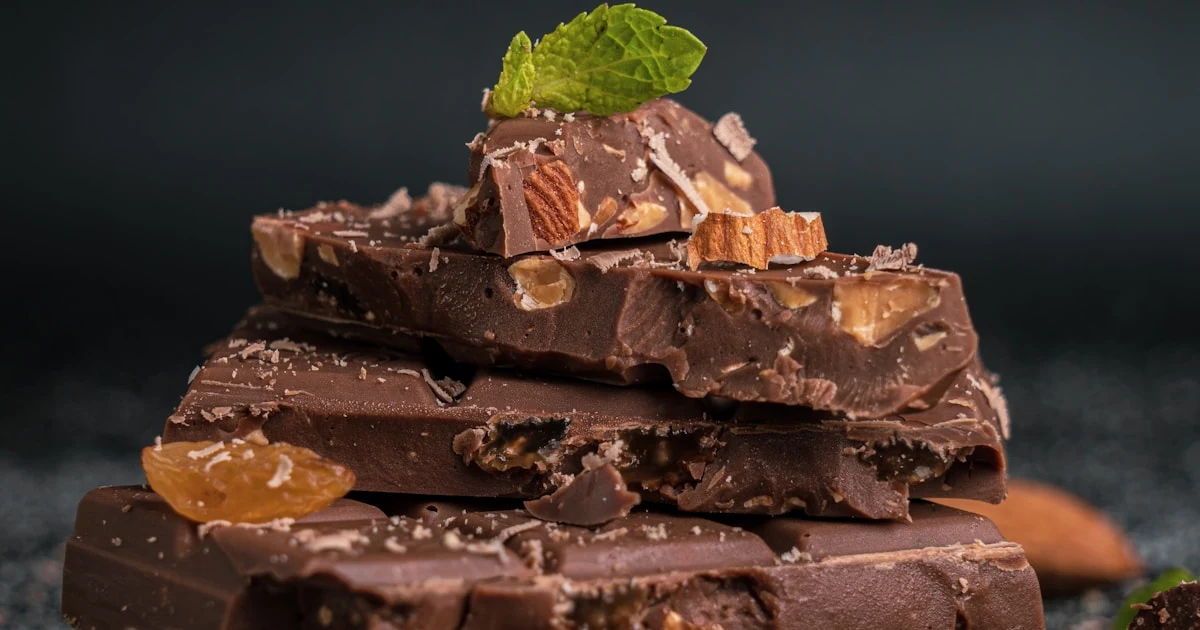
 Is Chocolate Halal or Haram? The Complete Guide (2026)
Is chocolate halal? Cacao is halal, but emulsifiers like E471 and colorings like E120 change the answer. Learn which chocolates are safe and what to check on the label.
 E-Codes & Additives
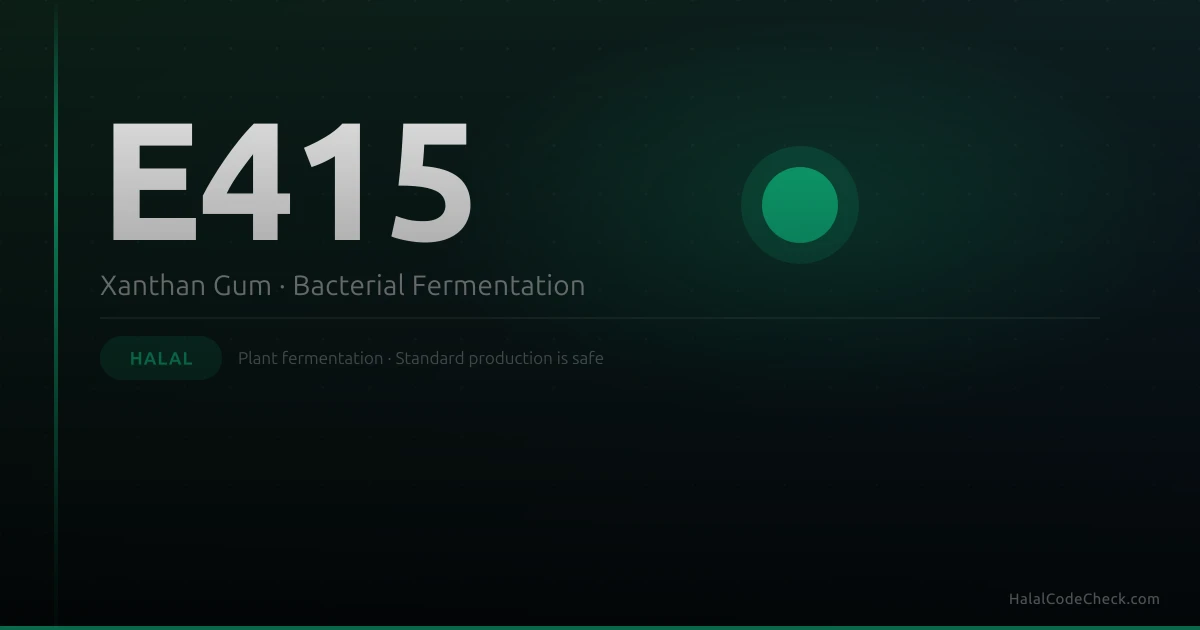
 Is E415 (Xanthan Gum) Halal? Yes - Here's Why
E415 (Xanthan Gum) is halal in the vast majority of commercial products. Learn what it is, where it comes from, and the one edge case worth knowing about.
 E-Codes & Additives
 Is E621 (MSG) Halal or Haram? The Complete Guide
E621 (MSG) is usually halal - modern production uses plant-based fermentation. Learn why it caused controversy, when to verify, and how to check fast.