
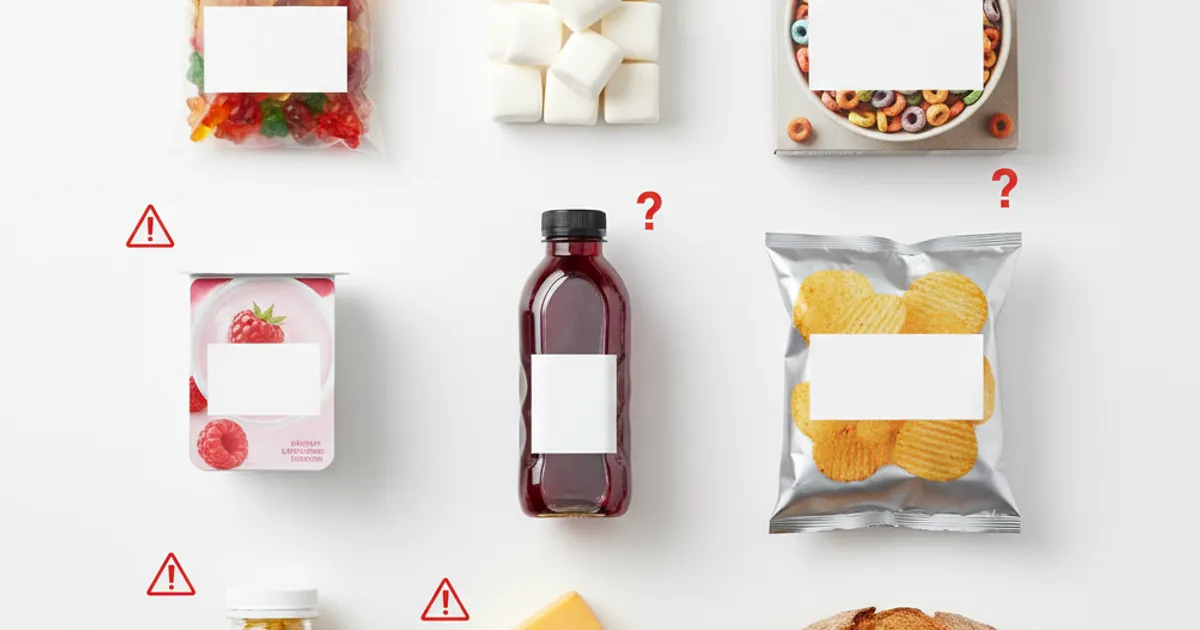
Most halal mistakes don’t happen because people don’t care. They happen because some foods look completely innocent until you read the fine print.
This isn’t a scare list. It’s a practical heads-up for the products that catch Muslim shoppers off guard most often - and what to grab instead.
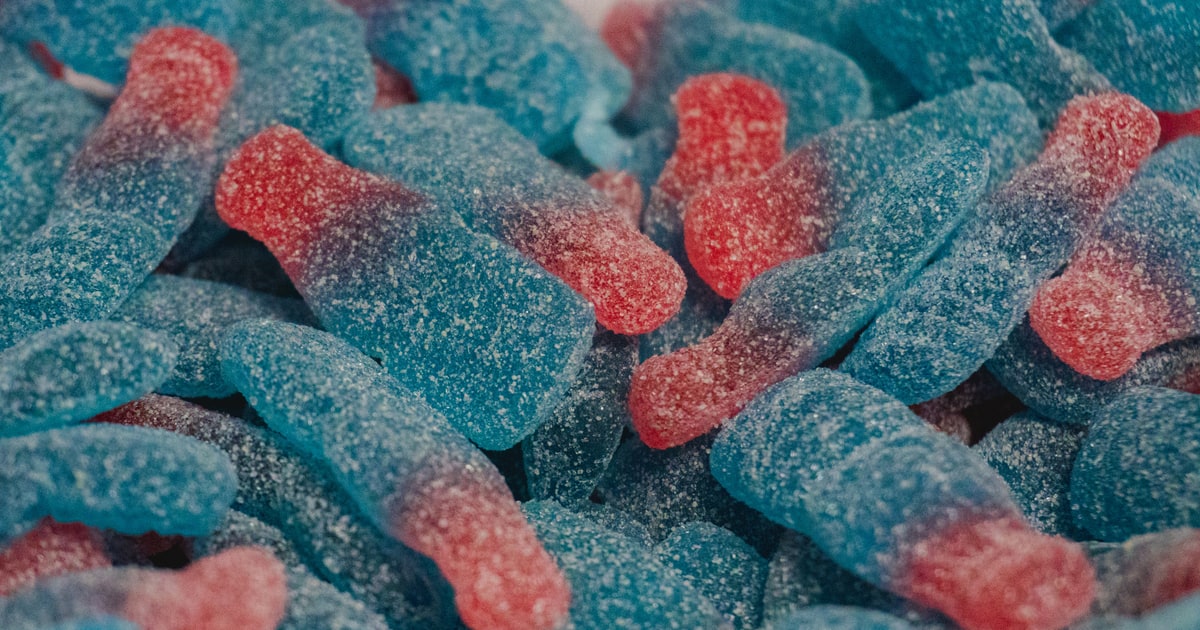
1) Gummy Candies
The problem: The chewiness you love comes from gelatin - and in Western countries, 60-80% of gelatin comes from pork. Unless the package says “fish gelatin” or “halal certified,” assume the worst.
What to grab instead: Look for brands that use pectin (plant-based) or clearly state “halal gelatin.” Many Turkish and Middle Eastern brands are safe bets. Browse confectionery by E-code status to find products with cleaner ingredient profiles.
2) Marshmallows
The problem: Same as gummies - gelatin is the key ingredient that gives marshmallows their texture. Most mainstream brands use pork-derived gelatin.
What to grab instead: Halal-certified marshmallow brands exist (Ziyad, for example). You can also find recipes using agar-agar for homemade versions.
3) Yogurt and Mousse Desserts
The problem: Many fruit-flavored yogurts and mousse desserts use gelatin as a thickener. It’s rarely called out on the front label - you have to check the ingredients list. Some also use E120 (carmine) for coloring in strawberry and raspberry varieties.
What to grab instead: Plain yogurt is almost always safe. For flavored varieties, check for “pectin” or “starch” as the thickener instead of gelatin. See dairy products for a breakdown of common additives found in this category.
4) Frosted Cereals and Pastries
The problem: Products like Frosted Mini-Wheats and Pop-Tarts contain gelatin in their frosting or filling. Many bakery items also use E471 (mono and diglycerides) from unspecified animal fat.
What to grab instead: Unfrosted cereal varieties, or brands that list “vegetable mono and diglycerides” specifically. Check E471’s source when in doubt. Browse breakfast cereals and bakery products for E-code status breakdowns.
5) Red-Colored Sweets and Drinks
The problem: That vibrant red or pink color might come from E120 (carmine/cochineal) - a dye made from crushed beetles. It’s used in candies, fruit drinks, strawberry ice cream, and even some lipsticks.
What to grab instead: Products colored with beetroot extract (E162) or synthetic red dyes (E124, E129) don’t have this issue. Check the color source on the ingredients list.
6) “Vegetarian” Convenience Snacks
The problem: A “vegetarian” label means no meat - but it doesn’t guarantee halal. Vegetarian products can still contain alcohol-based flavorings, ambiguous emulsifiers, or be made on shared equipment with non-halal products.
What to grab instead: Treat “vegetarian” as a helpful filter, not a final answer. Cross-check the additive list using Verify Ingredients for anything source-dependent.
7) Certain Cheeses
The problem: Many cheeses use animal rennet - an enzyme from calf stomachs - to set the curd. Unless the cheese specifies “vegetarian rennet” or “microbial rennet,” the source is often unclear. Parmesan (Parmigiano-Reggiano) always uses animal rennet by regulation.
What to grab instead: Cheeses labeled “suitable for vegetarians” use non-animal rennet, which removes the halal concern. Halal-certified cheese is the most reliable option. Browse cheese in our food database for common additives to watch for.
8) Flavored Chips and Seasonings
The problem: The flavoring systems in chips can contain animal-derived ingredients that aren’t obvious from the name. “BBQ,” “cheese and onion,” and “sour cream” varieties sometimes use animal fats, whey from non-halal sources, or flavor enhancers with unclear origins.
What to grab instead: Plain/salted varieties are almost always safe. For flavored options, check for halal certification or brands that specify plant-based flavoring. Browse crisps in our food database to see which E-codes appear most in this category.
9) Soft Gel Vitamins and Supplements
The problem: The soft gel capsule itself is usually made from gelatin - the same pork-derived gelatin found in gummies. Gummy vitamins have the same issue. Even if the vitamin inside is halal, the delivery method might not be.
What to grab instead: Look for “vegetarian capsule” or “plant-based capsule” on the label. Many supplement brands now offer halal-certified or vegan capsule options. See supplements for a full E-code breakdown of common capsule ingredients.
10) Bakery Products (Bread, Cakes, Pastries)
The problem: Many breads, cakes, and pastries contain E471 or related emulsifiers (E472a-f) - mono and diglycerides that can come from plant oils or animal fats (including pork). The label won’t tell you which source was used.
What to grab instead: Products with halal certification, or brands that explicitly state “plant-based emulsifier.” Simpler artisan breads with short ingredient lists (flour, water, salt, yeast) avoid this problem entirely. Browse bread and bakery products to see which E-codes appear most.
How to Handle This Without Panic
You don’t need to avoid every product in these categories. You need a system:
- Halal certified? → Good to go
- Unclear but low-risk? → Verify once with HalalCodeCheck, then add to your safe list
- High-risk and no certification? → Grab an alternative now, research later
The goal isn’t perfection on every trip - it’s building a reliable safe list over time. After a few weeks of checking, most of your regular shopping becomes automatic.
FAQ
Are all products in these categories haram?
No. The category indicates higher risk, not an automatic ruling. Many products in each category are perfectly halal - the point is to check rather than assume.
Should I avoid all red-colored foods?
No. Only E120 (carmine/cochineal) is the concern. Other red dyes like beetroot extract (E162) are plant-based and halal. Check which colorant is used on the ingredients list.
Why can’t I just rely on the “vegetarian” label?
“Vegetarian” means no meat - but halal covers more ground: source of additives, processing methods, alcohol content, and cross-contamination. It’s a helpful filter, not a complete check. Read our full explanation.
What’s the fastest way to check products in-store?
Scan the ingredient label with HalalCodeCheck - it checks every additive against our database of 370+ E-codes in seconds. For individual codes, search the E-codes database directly.
What To Do Next
Most halal shopping mistakes come from assumptions, not bad intentions. Now that you know the 10 most common surprise categories, here’s how to put this knowledge to work:
- Scan your pantry - check 2-3 products you buy regularly and see if any need swapping
- Bookmark the E-codes database - quick reference for any additive you encounter
- Share this with family - the more people in your household who know what to watch for, the easier shopping becomes
One quick check today can prevent months of unknowingly buying the wrong products.
Seen an E-code in this article?
Look it up instantly — 370+ codes, halal status in one click.
Ingredients change. Be first to know.
Brands reformulate without warning. We track every E-code update and halal certification — one short weekly email.
Related Articles
 Food & Ingredients
 Is Chocolate Halal or Haram? The Complete Guide (2026)
Is chocolate halal? Cacao is halal, but emulsifiers like E471 and colorings like E120 change the answer. Learn which chocolates are safe and what to check on the label.
 E-Codes & Additives
 Is E415 (Xanthan Gum) Halal? Yes - Here's Why
E415 (Xanthan Gum) is halal in the vast majority of commercial products. Learn what it is, where it comes from, and the one edge case worth knowing about.
 E-Codes & Additives
 Is E621 (MSG) Halal or Haram? The Complete Guide
E621 (MSG) is usually halal - modern production uses plant-based fermentation. Learn why it caused controversy, when to verify, and how to check fast.