
Is this food halal?
Modern food is complex.
Halal verification shouldn't be.
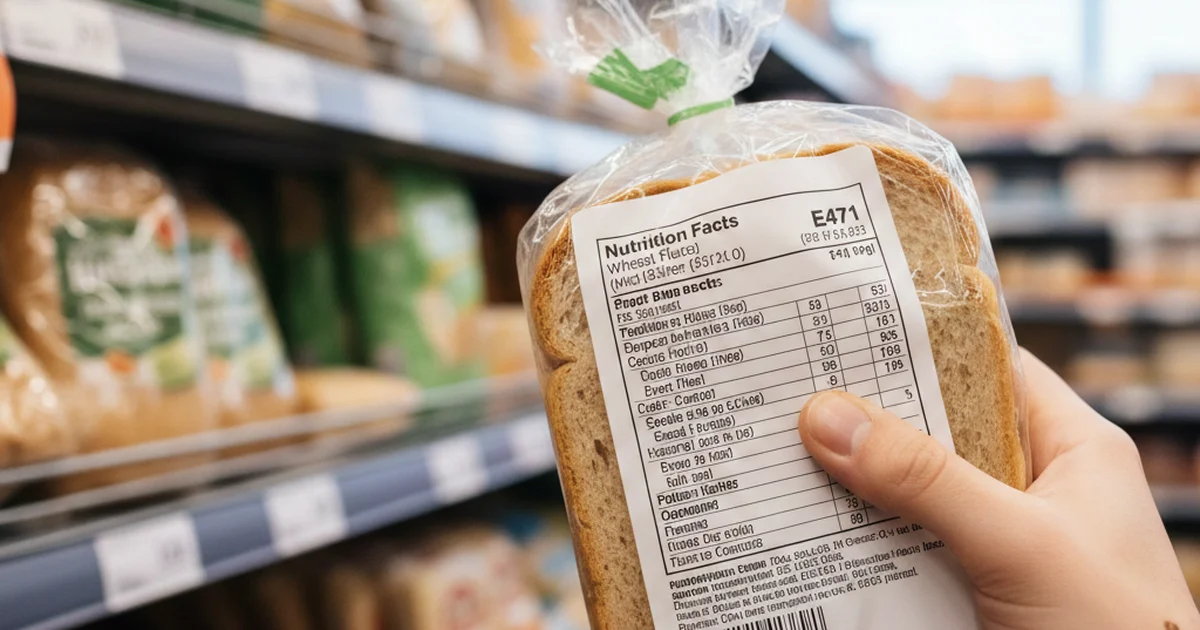
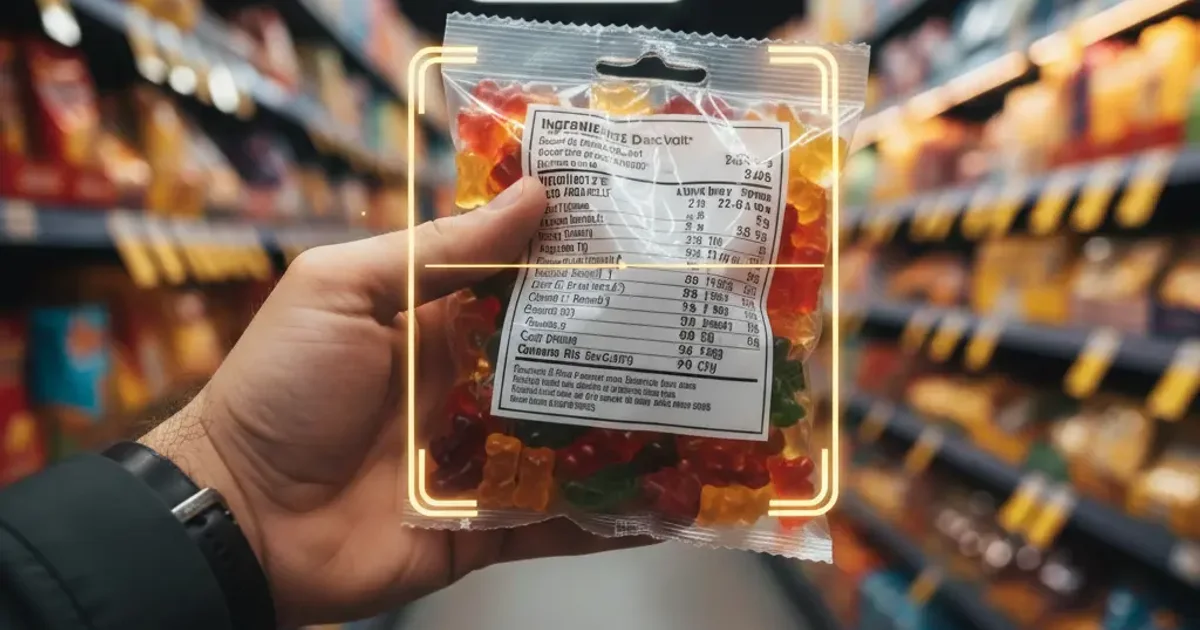
Food supply chains span dozens of countries and hundreds of ingredients. Labels use codes, abbreviations, and industry names most people have never heard of.
Ingredient sourcing is often unclear
Common additives like gelatin, lecithin, and glycerin can be halal or haram depending entirely on their source — which labels rarely state.
Labels don't always answer halal questions
E-codes, chemical names, and regional labelling conventions were designed for regulators — not for Muslim consumers making faith-based food decisions.
Existing tools are incomplete
Most halal checkers cover fewer than 100 E-codes. They rarely cover ingredient names, brand verification, or regional certification differences.
One place to verify, certify, and export with confidence
Source-aware verdicts on 360+ ingredients, brand verification, halal certification guides, and market access intelligence — all free, transparent, and no sign-up required.
How we determine verdictsGet the Weekly Halal Food Guide
New product verdicts, ingredient alerts and trusted halal recommendations.
- New product verdicts
- Ingredient alerts
- New halal brands
Halal knowledge, from ingredient to export
Research-backed guides covering food additives, halal certification, labelling law, and market access — for consumers and food businesses alike.
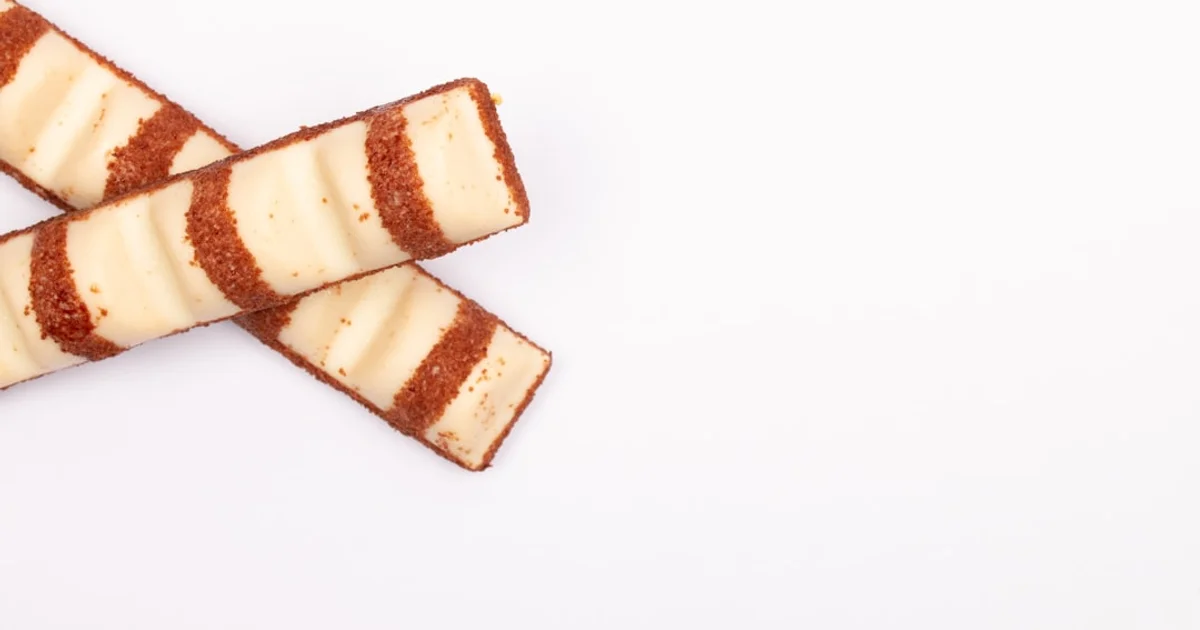
Is Roshen Konafetto Halal? Labelled Halal, No Gelatine (2026)
Roshen Konafetto is halal when the pack carries the Halal mark — US and Malaysian export packs do. No gelatine, E471 or E476. Unmarked packs: check the label.
Is Propylene Glycol (E1520) Halal? The Flavour Solvent Explained
Propylene glycol (E1520) is halal. It is a synthetic diol made from petroleum-derived propylene oxide, contains nothing animal-derived and does not intoxicate. The word 'glycol' is not 'alcohol' in the fiqh sense. Where it does matter: as the carrier in flavourings that may also contain ethanol.
Halal Shopping at BILLA Austria: Halal Spreads Yes, Halal Meat No (2026)
BILLA stocks halal-labelled chicken spreads from Argeta and Delicata, but fresh halal meat was withdrawn after public protest and has not returned. Here is what the BILLA and BILLA Plus shelves actually offer a halal shopper, what to read on own-brand Clever and Ja! Natürlich packs, and where Vienna's halal meat still comes from.
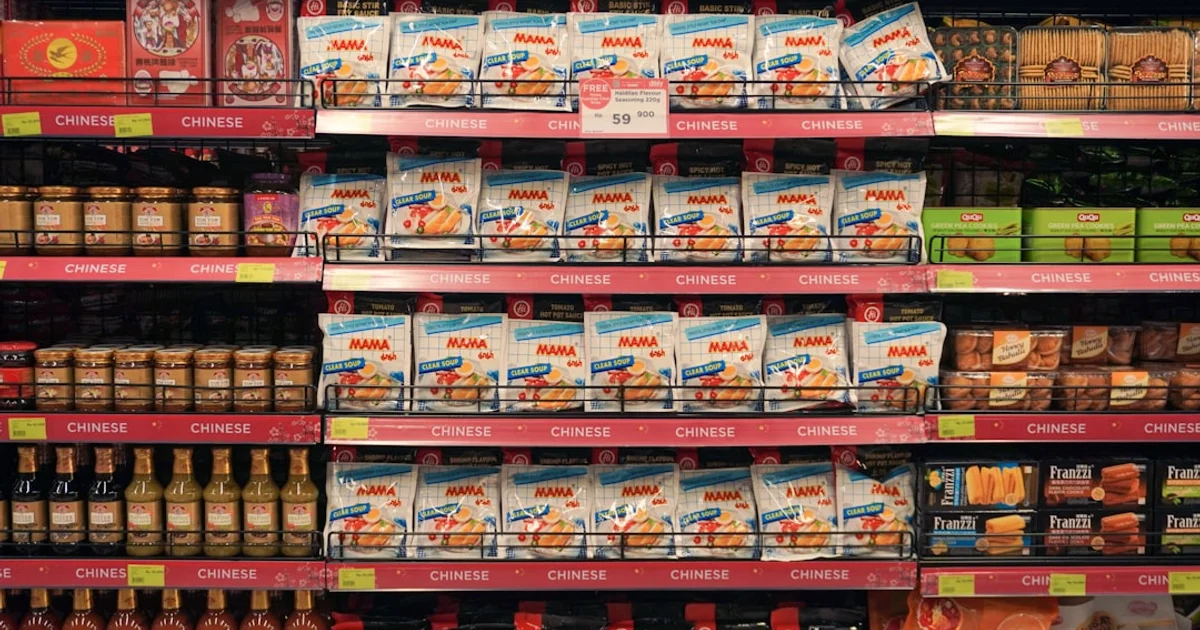
Halal Shopping at Albert Heijn: What the AH Halal Section Actually Is (2026)
Albert Heijn's halal section is a curated shelf of partner brands — Wahid, Marhaba, Silifke, Yayla and others — not an AH-certified range, and AH names no certifier. Own-brand AH products, including the caramel and chocolate lines readers search for, are outside it. Here is how to shop AH aisle by aisle.
Is this brand halal?
Ingredient-level analysis — not just a label claim.

Is Bahlsen Halal?
✅HalalBahlsen is halal. HQC — Halal Quality Control, the Netherlands-based certifier — lists Bahlsen GmbH & Co. KG on its client register with certified production at Barsinghausen, Berlin and Skawina in Poland, the sites that make Pick Up!, Leibniz and Choco Leibniz. The ingredient lists support it: Pick Up! Choco & Milk is wheat flour, sugar, cocoa butter, cocoa mass, palm oil, milk powders, glucose syrup, clarified butter, hazelnuts, salt, soya lecithin, whey, raising agents, flavouring, wheat starch, citric acid and egg yolk — no E471, no gelatine, no alcohol. The certification is site-level; a Bahlsen product from another site or a seasonal line with liqueur flavouring should be checked on its own pack.

Is Charlie Bigham's Halal?
ℹ️Varies by ProductNo Charlie Bigham's meat dish is halal. The company's own FAQ says its chicken is reared in the UK and the Netherlands under Red Tractor farm-assurance schemes, its beef is British and its lamb is from New Zealand, Britain and Ireland — with no mention of halal slaughter anywhere — and it confirms that wine is used in numerous recipes. Chicken Tikka Masala, Chicken Korma and the rest of the meat range are therefore not halal. The vegetarian dishes (Roasted Vegetable Lasagne, Macaroni Cheese) avoid the slaughter question but must be read for wine and for animal rennet in the cheese.

Is Cool Whip Halal?
⚠️MushboohCool Whip is Mushbooh. The Original whipped topping lists water, corn syrups, hydrogenated coconut and palm kernel oil, skim milk, light cream, sodium caseinate, flavours, gums, modified starch, polysorbate 60, sorbitan monostearate, sodium polyphosphate and beta carotene — no gelatine and no animal fat. But polysorbate 60 (E435) and sorbitan monostearate (E491) are made from fatty acids that can be animal- or plant-derived, Kraft Heinz does not disclose which, and there is no halal certification for any Cool Whip variety.

Is Din Tai Fung Halal?
ℹ️Varies by ProductDin Tai Fung is a pork restaurant almost everywhere it operates: the signature pork xiao long bao, pork chop fried rice and pork wontons define the menu, and no Din Tai Fung in Singapore, Taiwan, Hong Kong, Australia, the US or the UK holds halal certification. Two exceptions exist. Malaysia's 'DIN by Din Tai Fung' at Suria KLCC is the group's first pork-free restaurant — chicken and seafood recipes, but no JAKIM certification because it serves beer and wine. The Dubai branch serves halal meat under UAE law and is reported halal by diners. Everywhere else, assume not halal.

Is Haliborange Halal?
ℹ️Varies by ProductHaliborange is Varies by format. The Softies — Kids Multivitamin Fruit Softies, Omega-3 Softies, Omega-3 & Multivitamin Softies — list bovine gelatine as the base and carmine (E120) as a colour; the brand itself confirms it uses bovine gelatine in most products and pectin only in its vegan and vegetarian lines. Bovine gelatine with no halal-slaughter statement is Mushbooh, and carmine is haram under the majority view, so the Softies are not halal. Haliborange's liquid cod liver oil, vitamin syrups and the pectin-based vegan/vegetarian ranges contain no gelatine. Check the format: liquid or pectin — fine; softie or softgel — not.

Is Kopiko Halal?
✅HalalKopiko coffee candy is halal. It is made by PT Mayora Indah in Indonesia, where the product carries MUI halal certification and prints the halal logo on the pack, and its ingredients — sugar, glucose syrup, palm and/or coconut oil, coffee extract, butter, soy lecithin (E322), caramel colour (E150d), salt and coffee flavour — contain nothing animal-derived beyond dairy butter. The one thing to check is that the pack in your hand is the Indonesian-made product with the halal logo, since Kopiko is now packed for several export markets.
Browse halal food categories
See which E-codes are in the foods you buy - and which ones to watch out for.
 28 Mushbooh
 18 Mushbooh
 13 Mushbooh
 7 Mushbooh
 6 Mushbooh
 12 Mushbooh
For Food Businesses & Exporters
Halal compliance, certification & market intelligence
Whether you're seeking certification, entering new markets, or benchmarking your category — these resources are built for food manufacturers, importers, and exporters.
Halal Certification
Cost guides, body comparisons, and step-by-step certification paths for UK, US, and Australian food businesses.
Certification guides ExportMalaysia Market Access
JAKIM compliance, foreign body recognition, and export documentation for the Malaysian halal market.
Export hub ResearchMarket Research
Data-led analysis of UK and global halal food markets — consumer behaviour, additive patterns, and category audits.
Read the research